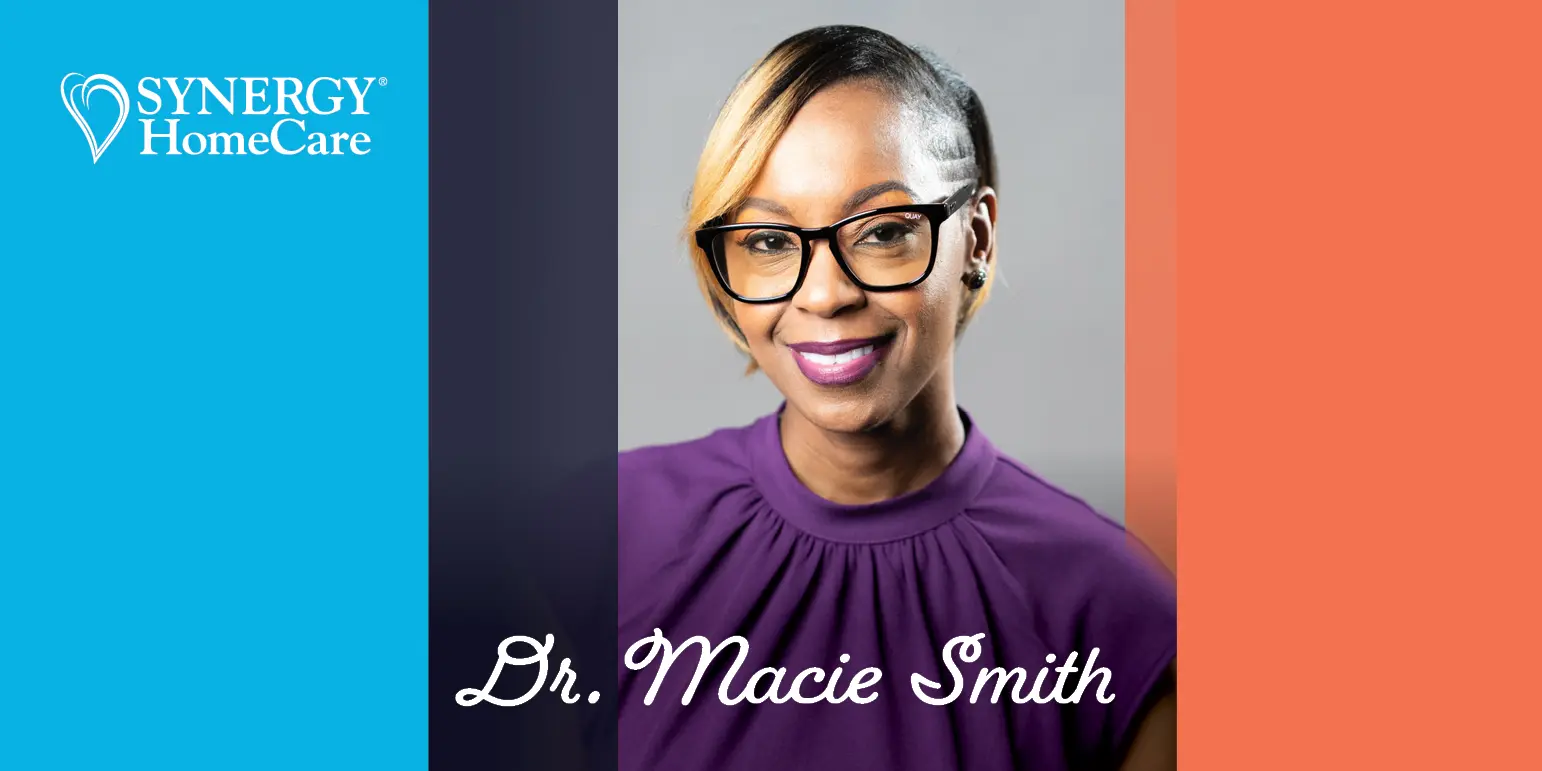
By Dr. Macie Smith
SUMMARY:
Here’s what centenarians (people who have reached their 100th birthday) teach us about healthy aging:
- They keep moving every day. Simple activities like walking, gardening, cooking, and household chores support strength, balance, heart health, and mobility.
- They live with purpose. Having meaningful hobbies, volunteering, spending time with family, or helping others provides motivation and a reason to stay engaged.
- They nourish their bodies. A diet rich in fruits, vegetables, whole grains, healthy fats, and lean proteins supports brain health, immunity, and lasting energy.
- They stay socially connected. Strong relationships help reduce loneliness, improve emotional well-being, support cognitive health, and create a greater sense of purpose.
- They manage stress in healthy ways. Practices like meditation, journaling, spending time outdoors, and connecting with loved ones can improve mood, sleep, and overall well-being.
Every year, National Centenarian Day and Healthy Aging Month celebrate a remarkable and resilient group of people: those who have lived to 100 and beyond.
Many people assume centenarians simply have good genes. While genetics do play a big role, research shows that factors such as lifestyle choices, social connections, and daily habits really influence how we age.
Centenarians teach us many important lessons in life, but the golden lesson is that healthy aging isn’t about avoiding age, it’s about embracing it. They teach us how to live better.
Here are some things centenarians teach us about healthy aging:
Lesson #1: They Keep Moving
While centenarians don’t necessarily spend hours in the gym, movement is still incorporated into their daily routines through simple activities like walking, gardening, cooking, and household chores.
Staying active improves strength, balance, heart health, and mood while lowering the risk of falls. It’s as simple as finding an activity you enjoy and aim for about 30 minutes of movement five days a week. The best exercise is the one you’ll stick with.
Lesson #2: They Live With Purpose
Many of the world’s longest-living people have a strong sense of purpose. Whether it’s volunteering, caring for family, pursuing hobbies, or mentoring others, having a reason to get up each morning provides you with motivation and meaning.
There are plenty of opportunities to discover new passions well into your 70s, 80s, and 90s. Centenarians teach us that a meaningful life is more than just age. How you live your life is what most matters.
Lesson #3: They Nourish Their Bodies
Healthy eating is another common trend among centenarians. Their diets typically consist of fruits, vegetables, whole grains, beans, healthy fats, and lean proteins while limiting processed foods, sugar, and excess sodium.
There’s no doubt that good nutrition supports brain health. What’s more important is that eating right strengthens the immune system and provides lasting energy to sustain your body for longer. Even small changes, like adding more colorful fruits and vegetables to your meals, can make a world of a difference.
Lesson #4: They Stay Connected
If there’s one lesson I wish everyone understood, it’s that maintaining relationships matter a lot when aging gracefully. Centenarians are no stranger to their friends and family and stay connected as much as possible. It keeps them lively.
Strong social connections help with things such as:
- Reducing loneliness
- Improving emotional well-being
- Supporting cognitive health
- Creating a sense of purpose
I’ve seen firsthand how much a meaningful conversation, or a regular visit can completely change a person’s outlook.
Lesson #5: They Manage Stress
Stress is one of those unavoidable feelings we all experience, but centenarians often take the extra step to bring some moments of calm into their lives.
Whether it’s meditation, journaling, spending time outdoors, or connecting with their loved ones, these routines help improve sleep, mood, cognitive function, and overall well-being. Sometimes the best thing we can do is to slow down and take a moment to de-stress.
Healthy Aging Is About Total Well-Being
Centenarians remind us that healthy aging is the result of caring for your physical, emotional, and social well-being every day. It’s no secret. Your age doesn’t define you – your actions do.
That’s the philosophy behind SYNERGY HomeCare’s Total Well-Being program, which helps older adults stay active, connected, engaged, and independent through personalized support and meaningful companionship.
For more information on how to incorporate healthy habits in your daily life as you age, please read our Total Well-Being Guide.
Aging Starts With Mindset
Healthy aging all begins with how we think about getting older. The happiest older adults I’ve met don’t see aging as something to fear. They see it more as another chapter filled with wisdom, confidence, and purpose.
Every birthday for them represents another year of experience. They have a greater perspective and the freedom to focus on what truly matters. While aging is inevitable, “acting old” and limiting ourselves is a choice. When we accept aging rather than resist it, we shape our futures and how we want to live in it.
For more information on how you can incorporate healthy habits into your lifestyle that boost your mind, body, and soul, read our free Total Well-Being Guide or call (877) 432-2692.
__________
SYNERGY HomeCare offers no obligation home assessments. Find a location near you or contact us to learn how we can provide additional support to you and your loved ones.
Dr. Macie P. Smith is a licensed gerontology social worker who is focused on helping families support their aging loved ones through long-term care. Specifically, Dr. Smith educates caregivers on how to care for seniors with dementia. She is an advocate for specialized care and assists others in finding a way to provide a better quality of life for individuals with Alzheimer’s or dementia. Dr. Smith has dedicated over 22 years of her life working in gerontology and assisting families in finding personalized solutions for dementia care.
___________