Summary:
A fall can be a frightening reality check for both seniors and their families. Properly supporting a loved one after a fall typically includes:
- Getting a medical evaluation, even if there seems to be no visible injury
- Identifying underlying causes that may have contributed to the fall
- Addressing both physical and emotional concerns
- Creating a rehabilitation plan
- Taking fall prevention measures
Supporting a Senior After a Fall: A Family’s Guide
Even a single fall can drastically change daily life for an entire family.
Whether injuries seem minor or even non-existent, the fall itself often shakes an older adult’s confidence and raises concerns for family members. Will another fall happen? Will they recover fully? Is it safe for them to keep living alone?
September is National Fall Prevention Week, the perfect time to recognize that fall recovery is a process that doesn’t end when a loved one leaves the hospital. Here’s what families should know about how to help a senior after a fall.
What to Do in the First Few Hours After a Fall
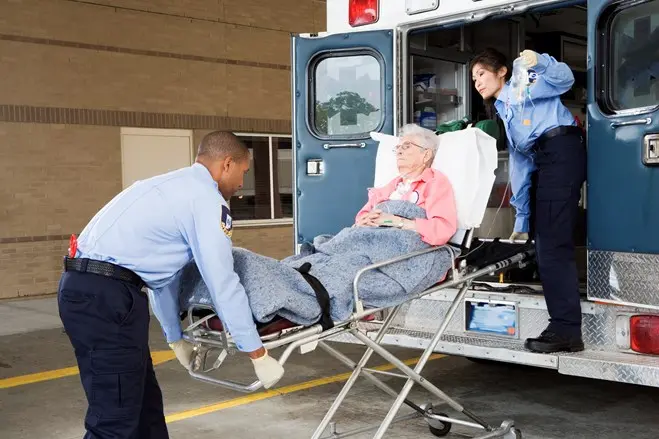
Many injuries can be subtle or even completely unnoticeable immediately following a fall. Head injuries, internal bleeding, or hip fractures may fly under the radar because your loved one says they feel fine. If you neglect medical care in these first moments, that’s when problems can start to pile up.
Begin by:
- Staying calm and scanning for obvious signs of injury
- Asking them to avoid movement if they’re in distress or they hit their head
- Seeking medical attention if there is pain, dizziness, nausea, loss of consciousness, or difficulty standing
- Contacting their healthcare provider even if injuries seem minor
A fall is often a symptom, not just an isolated event. Follow-up evaluations are highly encouraged and may include medication reviews, vision and hearing assessments, balance testing, and screenings for underlying health conditions that could have contributed to the fall.
Post-Fall Syndrome: The Hidden Challenge
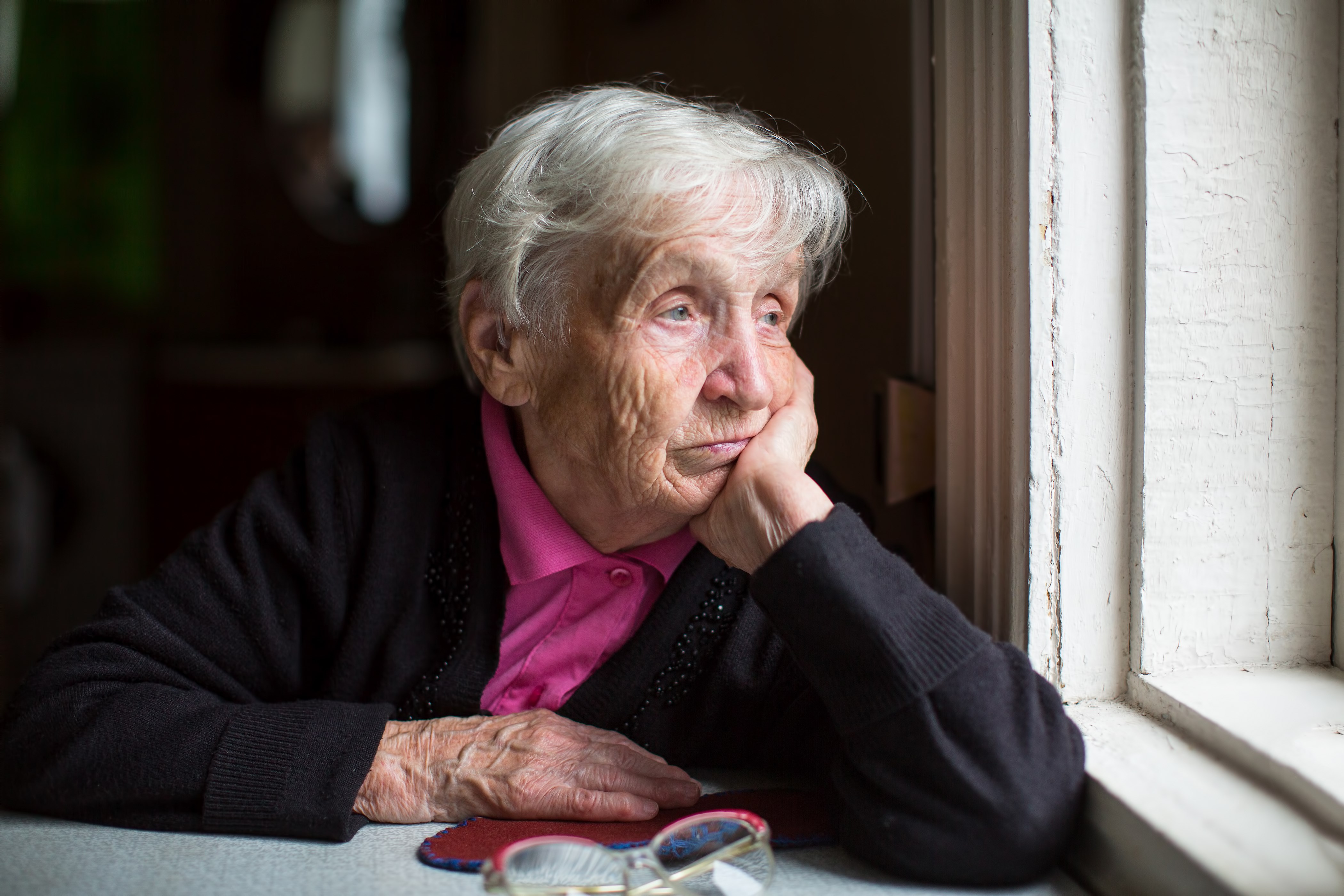
Many seniors experience what’s often referred to as post-fall syndrome, which is indicated by anxiety, reduced confidence, and a reluctance to move around independently out of fear of another incident.
Unfortunately, this can create a cycle where older adults avoid activity, become weaker, and ultimately increase their risk of another fall.
This clinical pattern is best dealt with through family support and encouragement. Offer to be there for your loved one or let them know that you’re willing to provide them with the resources they need to move around confidently.
Building a Recovery Plan
Recovery looks different for everyone, but most seniors benefit from a structured approach, especially in the first weeks that follow a fall.
An effective fall recovery plan for seniors may include:
- Physical therapy
- Occupational therapy
- Gradual increases in activity levels
- Home modifications to improve safety and accessibility
- Regular check-ins with healthcare providers
Where Home Care Fits Into Recovery
Home care after a fall can provide valuable support while a senior rebuilds their strength and confidence, especially during the first 2-8 weeks.
Caregivers can be there to assist with:
- Bathing and dressing
- Meal preparation
- Transportation to appointments
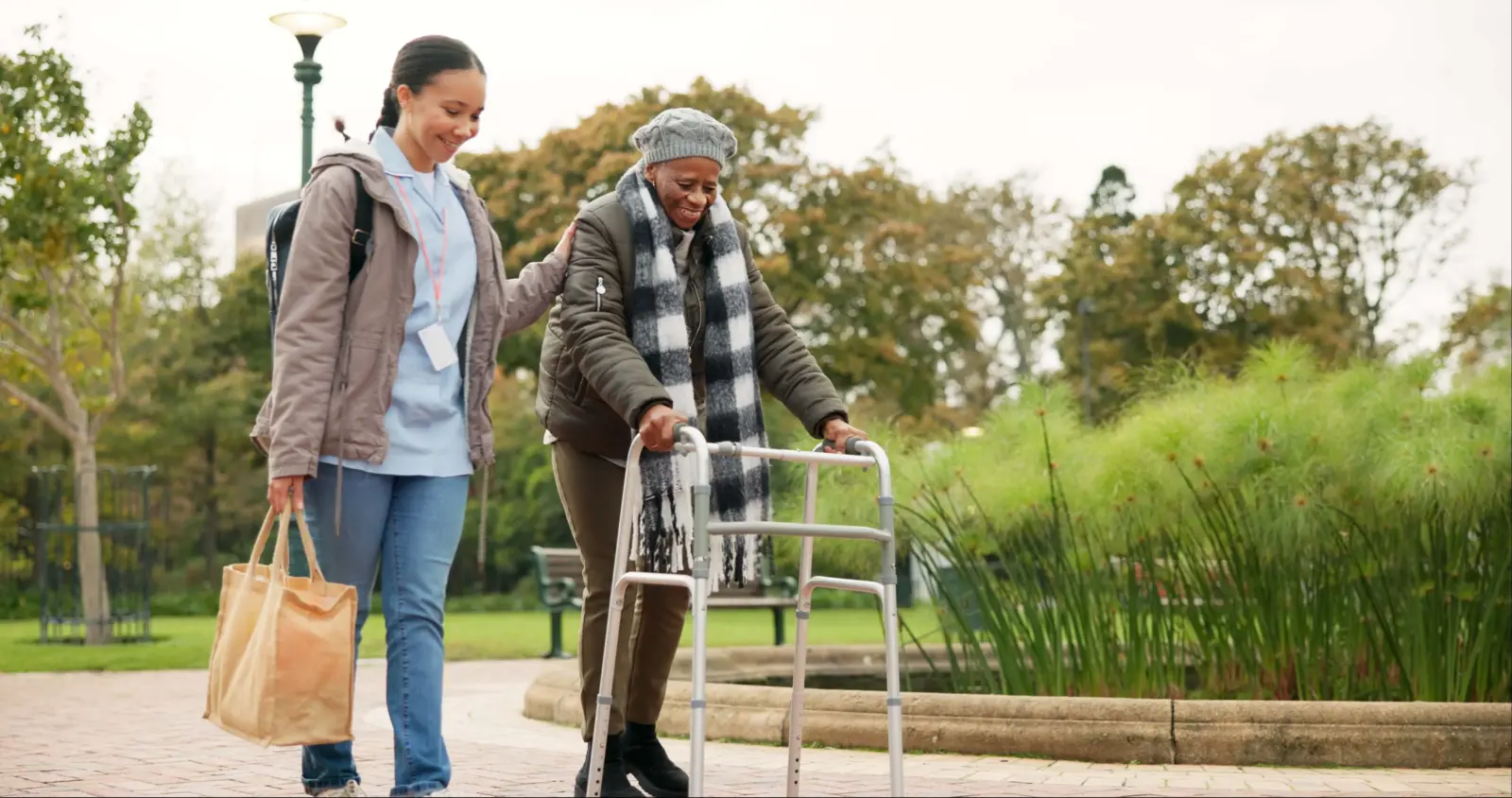
- Mobility assistance
- Medication reminders
- Companionship and emotional support
For many families, home care serves as a bridge between medical recovery and full independence, providing peace of mind while helping seniors remain safely at home.
Preventing the Next Fall
Research consistently shows that individuals who have fallen once are at a significantly higher risk of falling again. In fact, that chance nearly doubles in the first 12 months after. Preventing a second fall in the elderly should become a priority as soon as the first happens.
Professionally recommended prevention strategies may include:
- Removing tripping hazards throughout the home
- Installing grab bars and better lighting
- Reviewing medications regularly
- Participating in strength and balance exercises
- Utilizing mobility aids when appropriate
- Staying up-to-date on vision and hearing checks
Combining medical guidance, environmental improvements, and ongoing support can drastically improve long-term safety.
Recovery is a Family Journey
Falls impact the entire family, but by seeking prompt medical attention, addressing physical and emotional concerns, and planning ahead, families can help their loved ones recover with confidence.
If you or your loved one needs extra support during recovery, whether that be post-hospital care services, personal care services, or in-home companion care, visit https://synergyhomecare.com/ or call 877-432-2692 to find a SYNERGY HomeCare provider near you.
You can also click here to learn more about SYNERGY HomeCare’s fall prevention services and access our free Fall Prevention Guide.
_____________________________________
SYNERGY HomeCare offers no obligation home assessments. Find a location near you or contact us to learn how we can provide additional support to you and your loved ones.