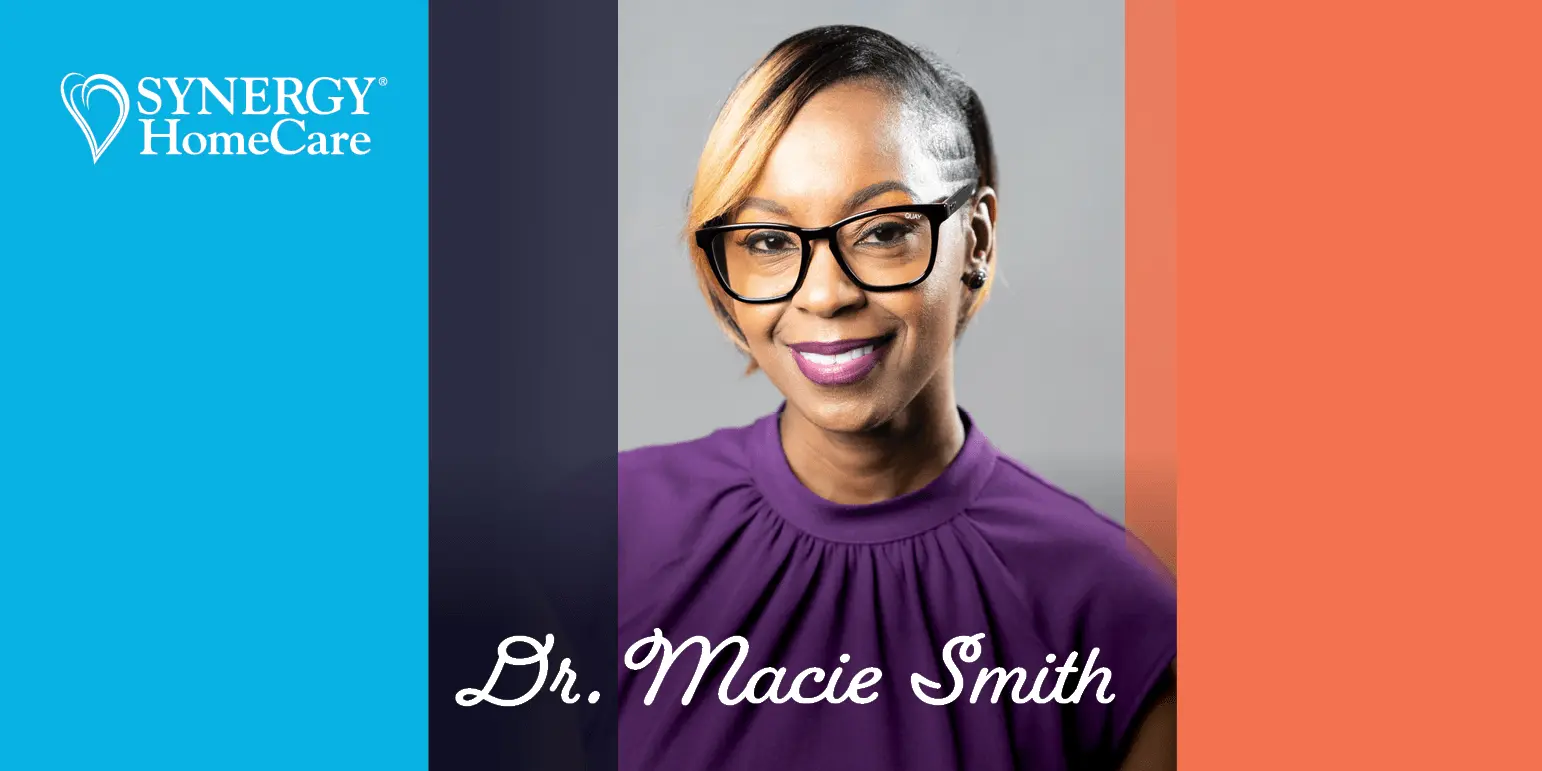
By Dr. Macie Smith
SUMMARY:
- Understand the Sandwich Generation: Millions of adults are balancing the responsibilities of raising children while caring for aging parents, often alongside full-time jobs.
- Recognize caregiver burnout: Watch for signs like constant exhaustion, irritability, difficulty concentrating, sleep changes, and feeling overwhelmed.
- Don’t try to do everything alone: Lean on family and friends, encourage your loved one to build social connections, and take advantage of community resources.
- Make self-care a priority: Taking time to rest and recharge isn’t selfish; it’s essential to being able to care for others.
- Know when to seek professional support – Home care can provide companionship, personal care, respite care, transportation, meal preparation, and other services that ease the caregiving burden.
- Give yourself grace – Caring for multiple generations is challenging but asking for help and creating a sustainable caregiving plan benefits both you and your loved ones.
July is National Sandwich Generation Month – the perfect time to recognize the millions of adults caring for both their children and their aging parents. If that sounds familiar, know this: you’re not alone.
Many family caregivers feel pulled in multiple directions every day. One moment you’re helping your child with homework, the next you’re scheduling a doctor’s appointment for your parent. And often, you’re doing all of this while balancing work, household responsibilities, and your own well-being.
What the Sandwich Generation Looks Like
The “Sandwich Generation” refers to adults, typically in their 40s and 50s, who are simultaneously caring for aging parents and raising children.
As people live longer and more older adults choose to age in place, this group continues to grow. Many caregivers are also working full-time, making caregiving one of the most demanding roles a person can take on.
Why It Feels So Hard
One of the biggest challenges is the feeling that you’re never doing enough.
You may miss a school event because your parent has a medical appointment, then worry about your parent while you’re focused on your children. It’s easy to feel like you’re constantly falling short, even when you’re giving everything you have.
I’ve worked with many caregivers who tell me they no longer recognize themselves. Their role as spouse, parent, friend, or professional slowly becomes overshadowed by one identity: caregiver.
While caregiving is incredibly meaningful, it can also be emotionally and physically exhausting.
Signs You’re Heading Toward Burnout
Caregiver burnout often develops over time, so make sure to watch for warning signs such as:
- Constant exhaustion
- Irritability or frustration
- Difficulty concentrating
- Changes in sleep patterns
- Withdrawing from friends or activities you enjoy
- Frequent headaches
- Feeling overwhelmed, hopeless, or resentful
Recognizing burnout early is important. It can impact your health and also impact your ability to continue caring for those who depend on you.
Practical Ways to Lighten the Load
Doing everything on your own as a caregiver can be unsustainable. The healthiest caregivers are the ones who know when to accept help. Here are a few strategies you should try to lighten the load on yourself:
Lean on Friends and Family: Friends and family often want to help but don’t know how to ask. Be specific about what you need, whether it’s picking up groceries, driving your child to practice, preparing a meal, or spending time with your loved one.
Encourage Social Connections: Remember, you don’t have to be your loved one’s only source of companionship. Senior centers, faith communities, veterans’ organizations, and local clubs can provide them with the social interaction they need.
Take Advantage of Community Resources: Many communities offer caregiver support groups, transportation services, educational programs, and other resources through local Area Agencies on Aging. These services exist to support both caregivers and older adults.
Set Aside Some Time for Yourself: Whether it’s taking a walk, reading a book, exercising, or simply enjoying a few quiet moments, caring for yourself helps you continue caring for others. Always remember, self-care isn’t selfish, it’s vital.
When Professional Support Makes Sense
Many families think they need home care only during a crisis. Try looking at things differently.
Seeking out professional home care doesn’t mean you’re giving up. It just means you’re curating a sensible, sustainable caregiving plan.
Professional home care can provide:
- Social engagement
- Meal preparation
- Light housekeeping
- Transportation
- Personal care assistance
- Medication reminders
- Time for family caregivers to rest and recharge
Even a few hours of help each week can do wonders in relieving stress and preventing burnout, and extra help can allow you to focus on simply being a son/daughter, spouse, or parent, not just the caregiver.
You’re Doing Better Than You Think
If you’re reading this after everyone else has gone to bed, wondering how you’ll do it all again tomorrow, I want you to remember one thing: the fact that you’re searching for answers says a lot about how deeply you care.
Being part of the Sandwich Generation comes with love, sacrifice, and constant competing priorities. Give yourself grace and remember that caring for yourself is one of the best ways to care for the people you love.
If you find yourself juggling multiple responsibilities and want to make a change, please read our Sandwich Generation Family Caregiver Guide or call (877) 432-2692.
__________
SYNERGY HomeCare offers no obligation home assessments. Find a location near you or contact us to learn how we can provide additional support to you and your loved ones.
Dr. Macie P. Smith is a licensed gerontology social worker who is focused on helping families support their aging loved ones through long-term care. Specifically, Dr. Smith educates caregivers on how to care for seniors with dementia. She is an advocate for specialized care and assists others in finding a way to provide a better quality of life for individuals with Alzheimer’s or dementia. Dr. Smith has dedicated over 22 years of her life working in gerontology and assisting families in finding personalized solutions for dementia care.
___________