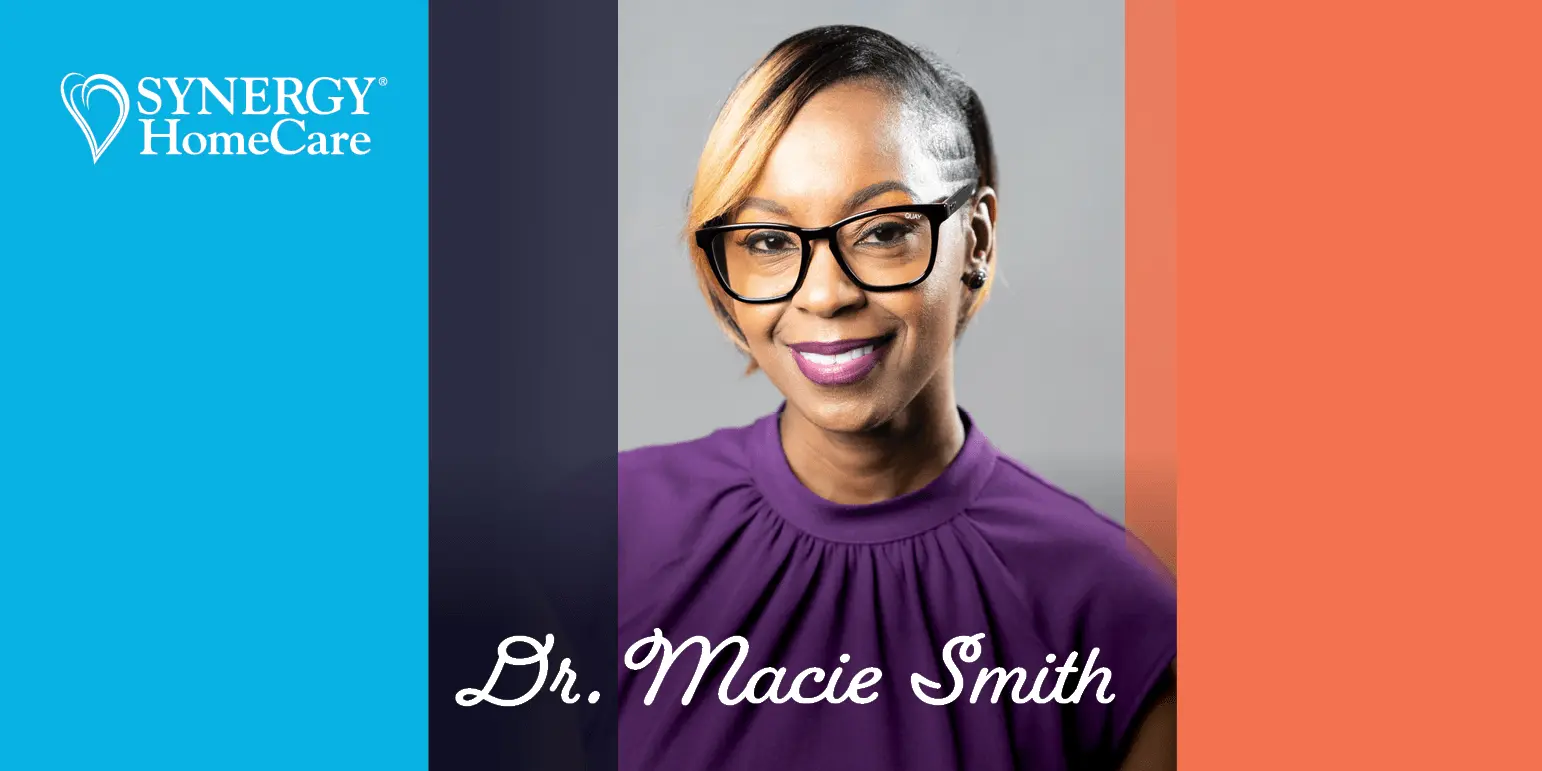
By Dr. Macie Smith
Summary:
6 Ways to Reduce the Risk of Alzheimer’s
- Eat a brain-healthy diet
- Focus on Mediterranean-style eating with fruits, vegetables, whole grains, healthy fats, and omega-3-rich fish while limiting processed foods and sugar
- Stay physically active
- Aim for about 30 minutes of daily movement like walking, gardening, yoga, or light exercise
- Prioritize quality sleep
- Maintain a consistent sleep routine and create a restful environment to support brain recovery
- Keep your mind engaged
- Read, do puzzles, learn new skills, or try brain games to stimulate cognitive function
- Stay socially connected
- Spend time with family and friends, join community activities, or stay engaged through regular conversations
- Manage chronic health conditions
- Keep blood pressure, cholesterol, and diabetes under control.
———————————————————————————————————————
Each June, Alzheimer’s and Brain Awareness Month serves as an important reminder that brain health deserves our attention long before symptoms ever appear. It’s a time to not only raise awareness, but to take action. Right now, over 7 million Americans are living with Alzheimer’s disease or a related dementia, and more than 11 million family members are helping care for them.
Those numbers can feel overwhelming. But here’s the hopeful truth I share with families every day: research suggests that up to 40% of dementia cases may be preventable or delayed through lifestyle changes.
If you’re looking to reduce the risk of Alzheimer’s, you’re not alone. Many adults in their 40s, 50s, and beyond are taking a more proactive approach to brain health. And the good news is that small, consistent habits can make a meaningful difference over time.
There are certain risk factors we can’t control, such as age and genetics. But many others are tied to daily habits and overall health. That’s why conversations around a healthy lifestyle and dementia risk are so important.
Let’s walk through six things you can start doing today to reduce your risk of Alzheimer’s and dementia in the future.
1. Eat for Brain Health
What you eat directly impacts your brain. Following a Mediterranean-style or anti-inflammatory diet has been consistently linked to better cognitive health. This way of eating emphasizes:
- Fruits and vegetables
- Whole grains
- Beans, nuts and seeds
- Fish rich in omega-3 fatty acids
- Healthy fats like extra-virgin olive oil
It also limits processed foods, refined sugars and red meats, all of which can contribute to inflammation. When we talk about the Mediterranean diet and cognitive health, we’re really talking about fueling your brain with what it needs to function and repair itself over time.
2. Stay Physically Active
Movement is one of the most powerful tools we have for both body and brain. Regular activity supports exercise and brain health by improving blood flow, reducing inflammation and strengthening connections between brain cells. It also plays a major role in heart health and brain health, which are deeply connected.
Aim for about 30 minutes of moderate activity most days. That could include:
- Walking around your neighborhood
- Gardening
- Yoga or stretching
- Chair exercises
- Dancing
It doesn’t have to be intense. It just has to be consistent.
3. Prioritize Sleep
Sleep is when your brain does some of its most important maintenance work. Poor sleep has been linked to increased buildup of harmful proteins in the brain, making sleep and brain health in seniors an important focus area.
Try to do things like maintaining a consistent sleep schedule or limiting screen time before bed. Think of sleep as your brain’s nightly reset. It’s all about creating a calm environment to get restful sleep so you can recharge.
4. Stay Mentally Engaged
Your brain thrives on challenge and curiosity. Engaging in cognitive activities for older adults helps strengthen neural pathways and may slow cognitive decline. This doesn’t have to feel like work. It can be enjoyable and meaningful.
You can do things like:
- Reading books or articles
- Doing puzzles or brain games for seniors
- Learning a new language or skill
- Playing music or picking up a hobby
The key is to stay curious and continue learning. Keeping your brain active is just as important as keeping your body active.
5. Stay Socially Connected
Human connection is powerful medicine. Maintaining relationships and engaging socially supports social connection and brain health while also reducing the risk of depression, which has been linked to cognitive decline.
Make time for fun events like family gatherings, make phone or video calls with friends and get out and engage with your local community. Even small interactions can have a big impact over time.
6. Manage Chronic Health Conditions
Your overall health and brain health are closely linked. Conditions like high blood pressure, diabetes and high cholesterol can damage blood vessels, including those that supply the brain. This is why managing diabetes and monitoring blood pressure go hand in hand, as does monitoring dementia risk.
Work with your healthcare provider to:
- Keep blood pressure within a healthy range
- Manage blood sugar levels
- Maintain healthy cholesterol levels
Your doctor can often identify potential risks before they even become an issue. These steps don’t just protect your overall health, they protect you from any surprises as well.
Small Changes, Big Impact
Alzheimer’s and Brain Awareness Month is a reminder that prevention doesn’t have to mean drastic change. It’s about small, sustainable habits that fit into your lifestyle.
Take a walk. Call a friend. Add more vegetables to your plate. Go to bed a little earlier. These moments all add up to aging gracefully.
If maintaining these routines feels overwhelming, you don’t have to do it alone. Support at home can make it easier to stay active, eat well and stay engaged. Caregivers can help with everything from meal preparation to companionship, making healthy habits more manageable and consistent.
Click here for more information on how to reduce the risk of Alzheimer’s and dementia and how home care can help, and check out SYNERGY HomeCare’s Memory Care Family Resource Guide or call (877) 432-2692
__________
SYNERGY HomeCare offers no obligation home assessments. Find a location near you or contact us to learn how we can provide additional support to you and your loved ones.
Dr. Macie P. Smith is a licensed gerontology social worker who is focused on helping families support their aging loved ones through long-term care. Specifically, Dr. Smith educates caregivers on how to care for seniors with dementia. She is an advocate for specialized care and assists others in finding a way to provide a better quality of life for individuals with Alzheimer’s or dementia. Dr. Smith has dedicated over 22 years of her life working in gerontology and assisting families in finding personalized solutions for dementia care.
___________