Quick answer: why are seniors at higher risk?
Older adults lose body heat faster and sense cold less well, so hypothermia can set in at indoor temperatures many people would call mildly chilly. Certain medical conditions and medications raise the risk further. Keeping the home warm, watching for early signs, and checking in regularly are the keys to prevention.
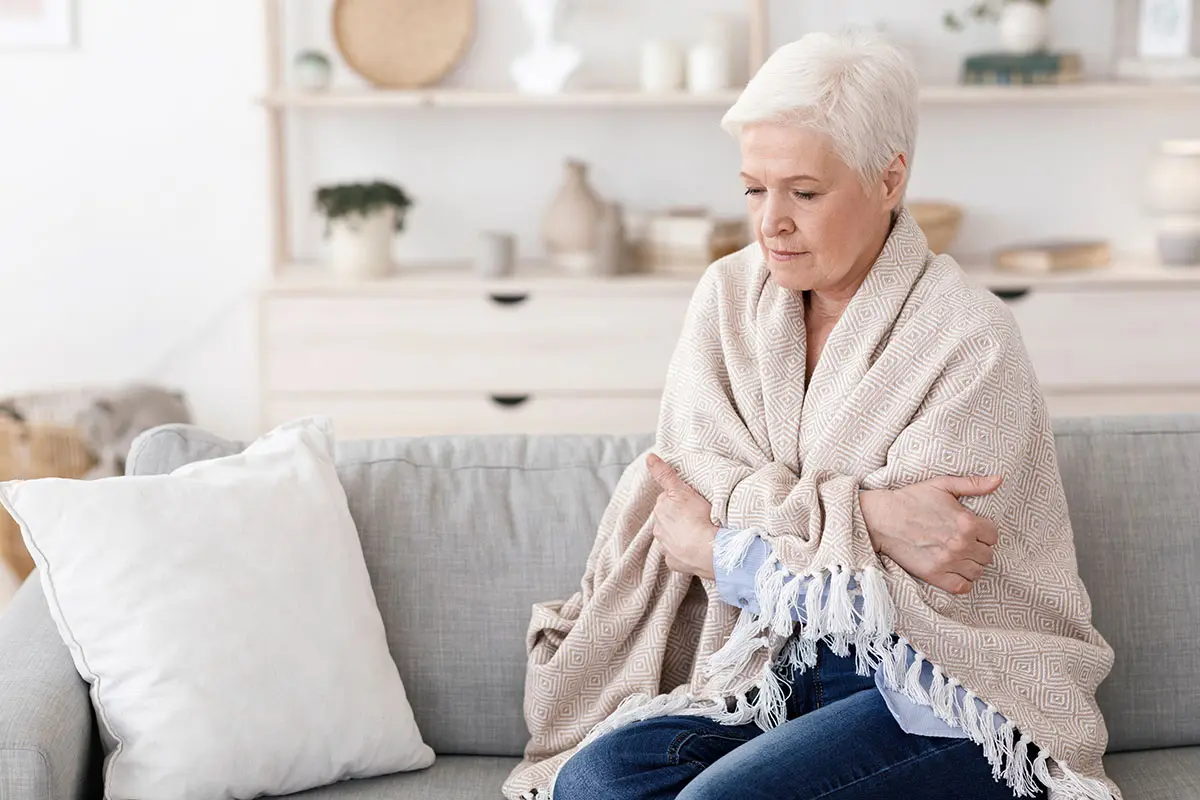
Hypothermia is usually pictured as an outdoor, extreme cold danger. For older adults, the bigger risk is quieter. It can develop slowly, indoors, in a home that simply is not warm enough. Knowing the warning signs and a few prevention steps makes the season far safer for an aging parent.
Warning Signs of Hypothermia in Older Adults
Hypothermia in seniors can be hard to spot because the signs are easy to mistake for fatigue or confusion. Watch for shivering, cold or pale skin, slurred speech, drowsiness, weakness, slowed breathing, and confusion. In older adults, shivering may be reduced or absent, so do not wait for it. The National Institute on Aging notes that low body temperature can develop after only mild exposure when someone is frail or unwell.
What Indoor Temperature Is Safe?
Set the thermostat no lower than 68 to 70 degrees in rooms an older adult uses, and higher if they still feel cold. Many seniors keep the heat low to save on energy bills, which is a real and dangerous trade off. If cost is the barrier, the federal LIHEAP program helps lower income households cover heating, and it is worth applying before winter sets in.
Risk Factors That Increase Cold Vulnerability
Several common factors raise the risk. Conditions such as diabetes, thyroid problems, and reduced circulation interfere with the body’s temperature control. Some prescription and over the counter medications do the same. Thin build, limited mobility, and living alone all add to the danger. Ask the doctor whether any of your parent’s medications affect cold tolerance.
Practical Prevention Steps
- Dress in layers, starting with long underwear and warm socks, and add a hat indoors if needed
- Use blankets, throws, and warm bedding, and close off rooms that are not in use
- Keep the body fueled with warm, nutritious meals and steady hydration
- Wear weatherproof shoes and bundle up fully before going outdoors
- Prepare for power outages with flashlights, charged phones, non perishable food, and a plan to stay with family during storms
What to Do if You Suspect Hypothermia
If you suspect hypothermia, warm the person gradually with blankets and a warmer room, and offer a warm, non alcoholic drink if they are alert. Do not rub their limbs, give a hot bath, or use alcohol. Take their temperature, and if it is at or below 95 degrees, call 911 immediately. While you wait, warm the center of the body first and keep them dry.
How In-Home Care Supports Winter Safety
The single most protective step for a senior living alone is regular contact. A daily check, in person or by phone, catches a cold home or early symptoms before they become an emergency. Synergy HomeCare’s companion care includes those wellness check ins, plus help with warm meals, layering, and keeping the home safe. For families who cannot be there every day, in-home care provides that consistent set of eyes through the coldest months.
Frequently Asked Questions
What is hypothermia in elderly adults?
It is a dangerous drop in body temperature, generally below 95 degrees, that happens when the body loses heat faster than it can produce it. Older adults are especially vulnerable.
What are the warning signs of hypothermia in seniors?
Shivering, cold or pale skin, slurred speech, drowsiness, weakness, confusion, and slowed breathing. In older adults shivering may be reduced, so do not rely on it.
What temperature should an aging parent keep their home in winter?
No lower than 68 to 70 degrees in occupied rooms. If heating cost is a barrier, the LIHEAP program can help.
Can a senior get hypothermia indoors?
Yes. Older adults can develop hypothermia in a cool home, sometimes at temperatures others find only mildly chilly, particularly if they are frail or on certain medications.
What should I do if I think my parent has hypothermia?
Warm them gradually with blankets and a warmer room, avoid hot baths and alcohol, and call 911 if their temperature is at or below 95 degrees.
Sources: National Institute on Aging (nia.nih.gov), CDC (cdc.gov), LIHEAP (acf.hhs.gov/ocs/programs/liheap), American Red Cross (redcross.org).