Researchers are continually looking for effective drug treatments for Alzheimer’s patients, but they often face significant challenges in getting them approved by the Food and Drug Administration (FDA). However, the agency recently announced it will be changing its guidelines to ease the approval process and potentially change the face of Alzheimer’s care, The New York Times reports.
Category: Uncategorized








READ MOREPreparing Meals During National Nutrition Month
March is recognized as National Nutrition Month by the Academy of Nutrition and Dietetics, and it serves as a good time for home care providers alike to re-evaluate what their clients are eating. Healthy eating is an important part of elderly individuals’ well-being, and there are a few things senior caregivers should focus on when devising meals for their patients.
Related Articles




READ MORERecovering from a Traumatic Brain Injury
When a loved one sustains a traumatic brain injury during a fall or other accident, it can be difficult to know how to best care for them. Researchers have only begun to uncover the basics of brain function, leaving much unknown about this essential organ. This makes any brain injury especially scary for family caregivers and their loved ones. As much as they try to prevent the accidents that lead to brain injuries, they can still happen. Here are the best things to do when brain injuries happen.
Related Articles



READ MOREAlternative Treatments For TBI
An estimated 1.7 million people sustain a traumatic brain injury each year, and there are a wide variety of treatment methods available. However, one area of therapy that has gone relatively unexplored is alternative treatment, yet some experts say that such treatments can have a significant impact on patients’ recoveries.
READ MORERelated Articles



READ MORETaking Steps to Prevent Recurrent Strokes
There are many different facets to stroke recovery. Depending on the severity of the incident, stroke victims may have to regain mobility, relearn how to speak clearly and overcome bouts of depression. While managing the symptoms of stroke is key, it’s also important to take steps to reduce the risk of suffering a second one, and there are a variety of ways home care providers can help their patients do so, according to the National Stroke Association (NSA).
Related Articles



READ MOREManaging Heart Health with Alternative Therapy
Alternative therapies have become popular among a large part of the population in recent years. Treatments such as acupuncture, yoga, massage and even lifestyle changes have been used to combat myriad medical conditions. Though some may question their effectiveness, the methods may offer benefits when it comes to senior care, especially helping manage heart disease.
READ MORERelated Articles




READ MORECatering to Independent Living Needs
Many seniors would prefer to live at home for as long as possible, and as the average lifespan has increased in recent years, and more people are getting healthier and living longer, this is a viable option for a number of older adults. Certain illnesses and other health conditions, such as dementia or rheumatoid arthritis, may have once made it difficult for an aging adult to live at home, but there are many senior home care options that facilitate independent living.
Related Articles





READ MORECaregivers: Focus on Heart Health
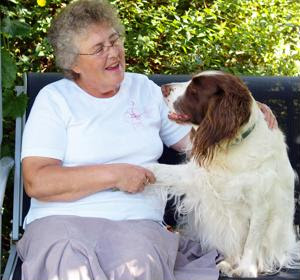
February is recognized as Heart Health Month in the United States, and although it’s important for senior care providers to focus on the cardiovascular well-being of their patients all year, they may want to recommit themselves to doing so this month. Seniors are often at a greater risk for heart issues during the winter months, and there are some steps senior caregivers can take to helping protect them from such incidents.
Related Articles

READ MORERegaining Independence
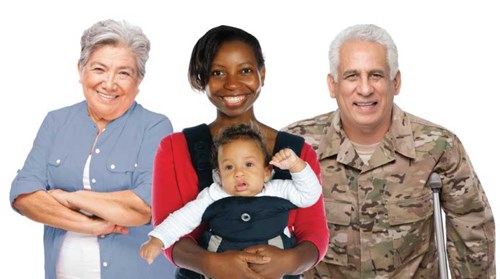
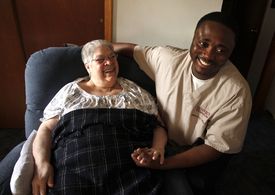
There are many seniors and family caregivers who want more independence, but do not know exactly how to attain it. Falls, hospital stays, mobility troubles, joint pain; these are all common symptoms of advancing age. Having the right kind of help can be the deciding factor in regaining valuable independence. Oftentimes seniors don’t need medical care, but they do need a little bit of non-medical attention.
Related Articles



READ MOREStroke Prevention during American Heart Month
With February recognized as American Heart Health Month, senior care providers may be on especially high alert for preventing some of the most serious cardiovascular conditions facing older adults, and that includes stroke. There are a number of ways for caregivers to help the elderly reduce their risk of a stroke, and many of them are easy to implement.