READ MOREPrevent isolation from preying on your elderly parents’ emotional health
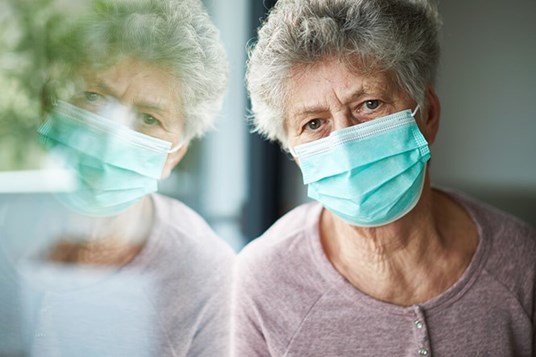

lonely caucasion senior woman mask on staring out the window aimlessly

A story of hope for adult children and their parents
Before the COVID-19 pandemic hit our lives like a runaway train, you probably worried about your aging parents living alone, wondering, “Are they healthy? Taking care of themselves? Eating enough? Taking their medication on schedule?” What about the guilt of not visiting them as often as you probably should?

READ MORE

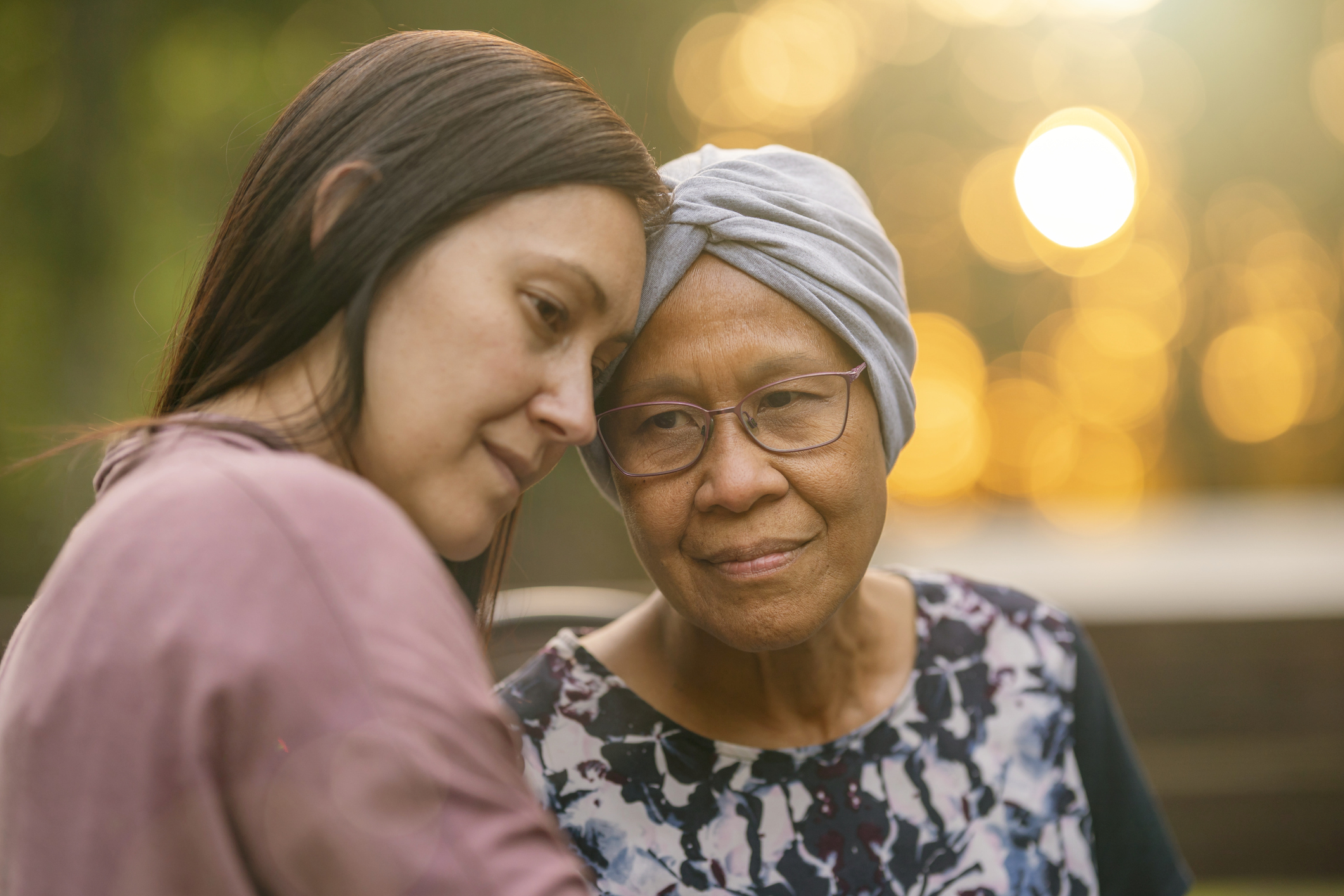
READ MOREAdult children: prevent isolation from preying on your parents’ emotional health


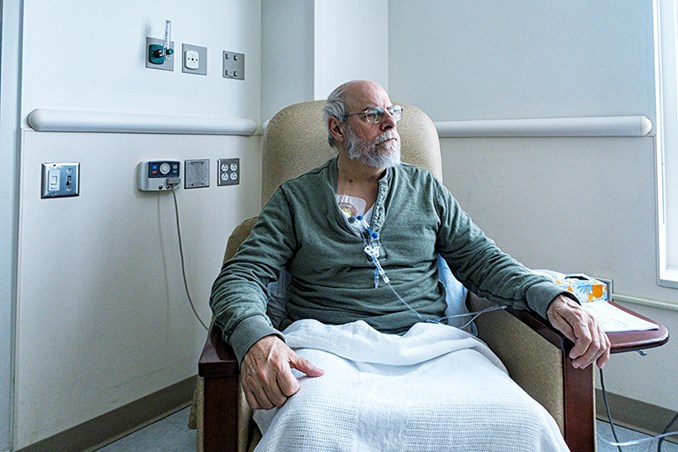
senior man sitting on unmade bed hands clasped head down

Before the COVID-19 pandemic hit our lives like a runaway train, you probably worried about your aging parents living alone, wondering, “Are they healthy? Taking care of themselves? Eating enough? Taking their medication on schedule?” What about the guilt of not visiting them as often as you probably should?

READ MORE

READ MORETop 10 signs your parents need help at home


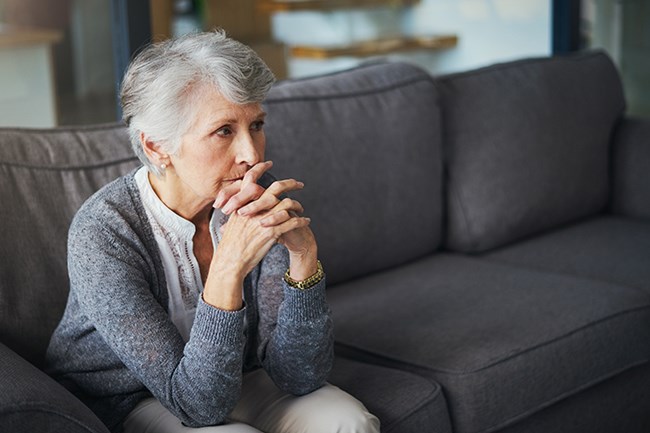
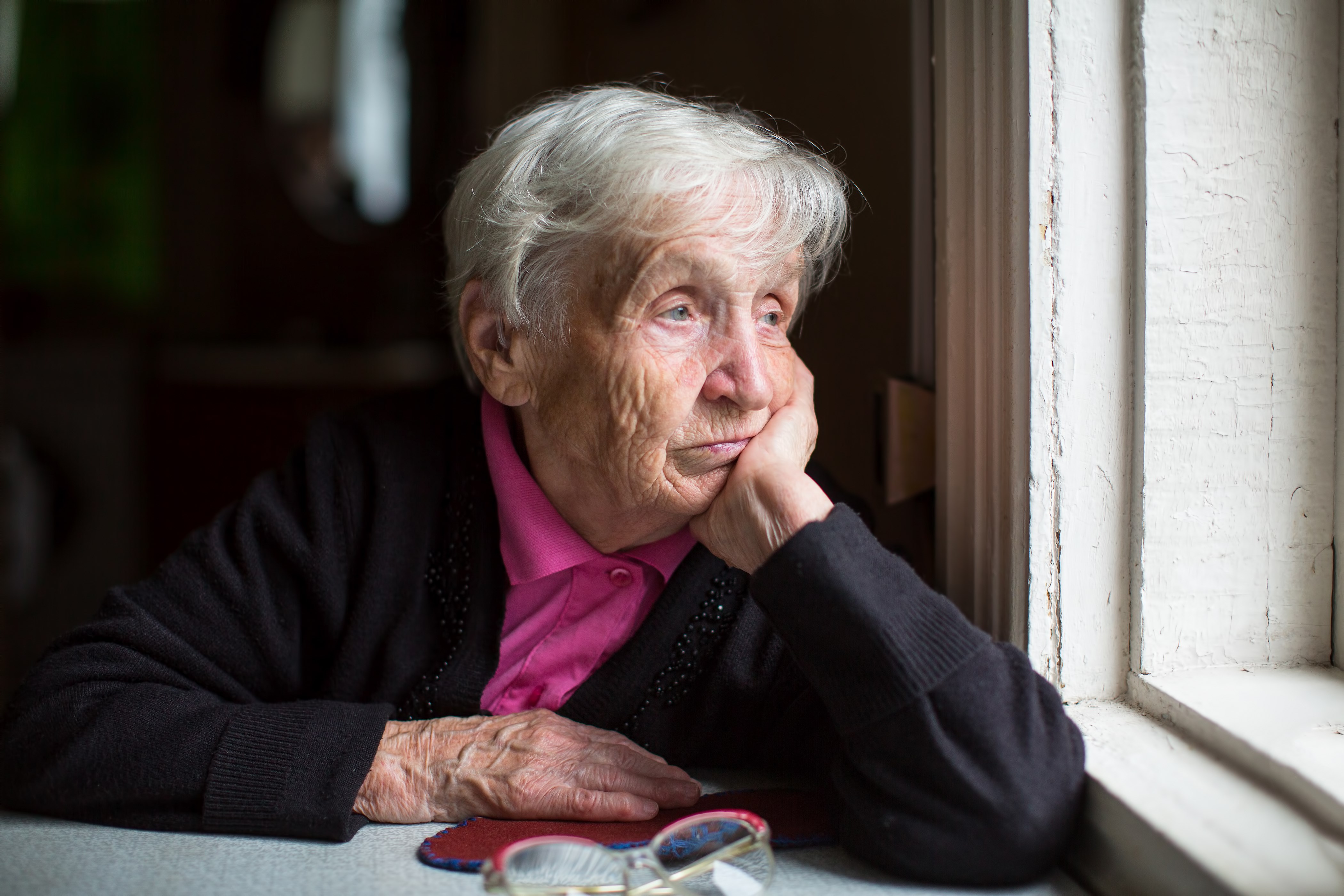
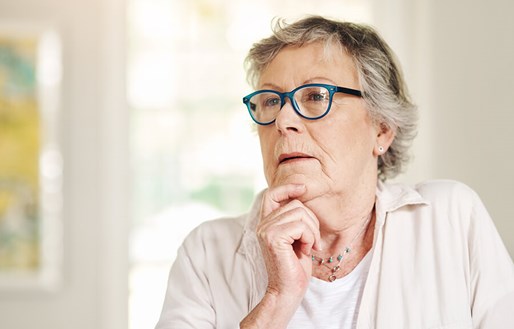
senior woman in glasses contemplating or thinking

According to the Pew Research Center, about 52 percent of those with parents ages 65 to 74, and 64 percent with parents 75 and older lend a hand because their parents need help. But what are the signs parents need more assistance than you can provide?
READ MORE

READ MORE6 ways seniors can prevent falls


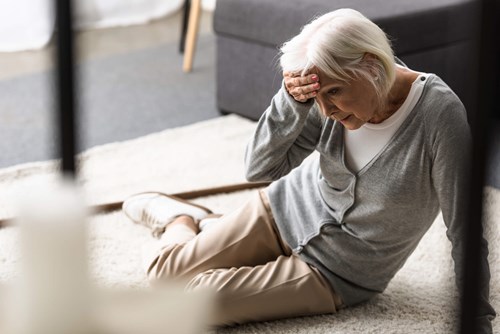
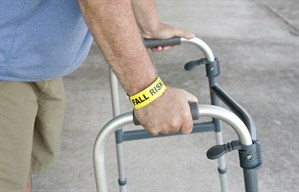
senior woman falling

As we age, the fear of falling becomes top of mind. Often this fear keeps older adults from everyday activities such as visiting with friends, shopping or going for a walk. 

While the fear is real, it can lead to a reduction in activity that affects your health. The good news is you can ease this fear and remain both physically and socially active by practicing a few fall prevention guidelines.

READ MORE

READ MORESigns Your Parents May Need Help at Home


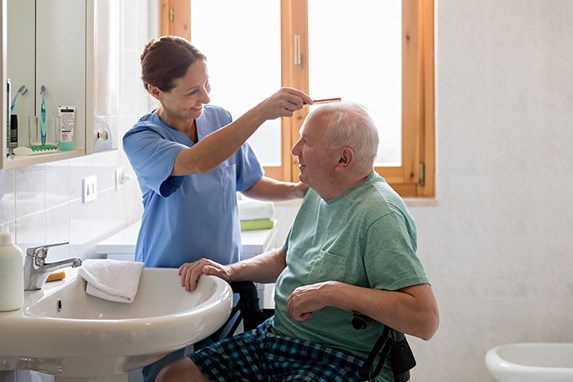
female caregiver grooming senior man in bathroom

Whether you live close to your parents or are keeping tabs on them from afar, it may be difficult to recognize when they are in need of support at home. Facing the reality that your parents are aging and vulnerable can be hard and you may find yourself in a state of denial for a period of time.

READ MORE

READ MORE5 Ways Home Care Can be a Lifeline During COVID-19


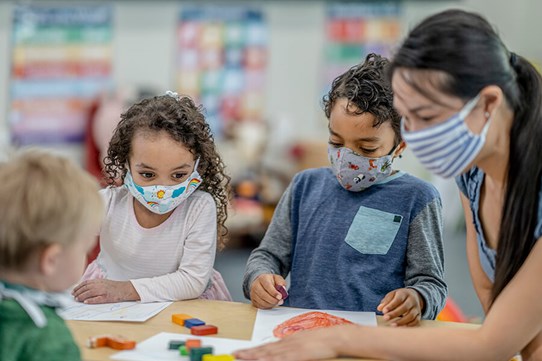
caregiver help young boy do his homework at home

The impact of COVID-19 has hit different people in different ways. For many, fear of contracting the virus has made daily activities like grocery shopping or picking up prescriptions a challenge. Some families have lost childcare due to the closure of childcare facilities. And every day public interactions have become scary and risky. 

READ MORE

READ MOREMaintaining Human Connection During the Coronavirus Pandemic


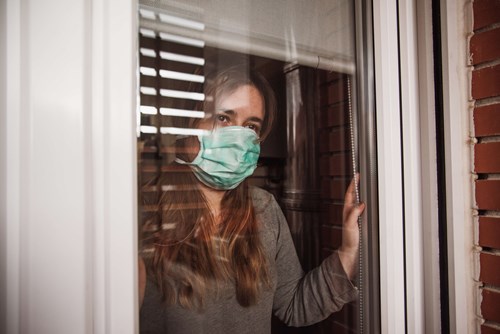
woman with face mask on looking out window

For the health and safety of all Americans, health experts and government officials have asked that we battle COVID-19 by staying at least six feet away from others, self-quarantine ourselves if we have a cough or a fever, and not to gather in larger groups. This social distancing is an important part of curbing the spread of the coronavirus and slowing the demand and need for medical equipment and care that doctors are growing increasingly short on.

READ MORE

READ MOREHow to prevent hospital readmissions


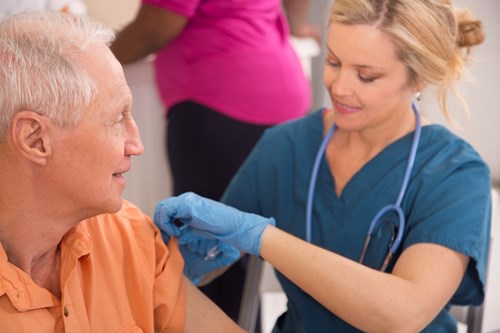
bigstock-female-doctor-talking-to-senio-55984178.jpg

After a lengthy stay in the hospital due to a traumatic car accident, surgery or illness, the thought of taking care of yourself can be scary and overwhelming. Especially if your body is still recovering and you don’t feel like you can take care of your everyday living tasks like bathing, cooking, cleaning or even driving. After hospitalization, many people are afraid of not having the adequate care and for good reason. The U.S. Department of Health and Human Services reported in September 2019 that being discharged from the hospital can be a dangerous event. Nearly 20% of patients experience adverse events within three weeks of discharge, three-quarters of which were preventable.  

READ MORE

READ MORECoronavirus (COVID-19): A guide for older adults


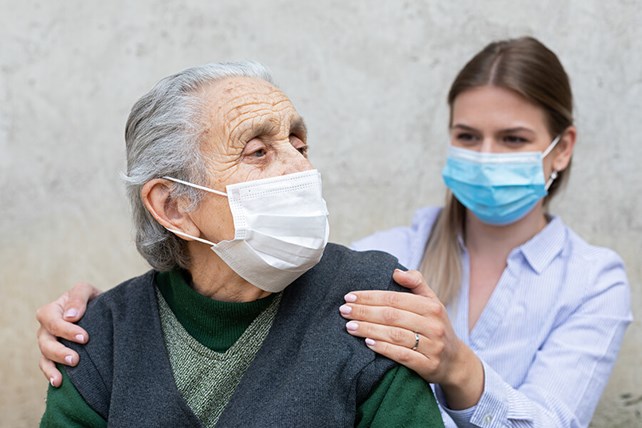
masked aregiver and senior male

As cases of Novel Coronavirus (COVID-19) rise in the United States, so do concerns about the illness. Early data shows that for most people who become ill with COVID-19, the symptoms are mild. However, some people, specifically older adults and those with chronic medical conditions like heart, lung or kidney disease, seem to be at higher risk for more severe symptoms and complications. They are also more susceptible to contracting the virus.

READ MORE
logo