A tsunami can leave very little time to make decisions, particularly for an older adult who needs help getting around. The best time to work out how your loved one will evacuate is well before there is an emergency.
For families in Santa Monica, that means knowing whether your loved one’s home or regular destinations are in the tsunami hazard zone, understanding the available evacuation routes and thinking through how they will get to safety if they cannot walk quickly or travel independently.
A little preparation can make a stressful situation much easier to manage.
Know whether your loved one is in the tsunami hazard zone
The first step is knowing where your loved one lives in relation to Santa Monica’s tsunami hazard zone. The City of Santa Monica provides information on tsunami preparedness, hazard zones and evacuation routes, so check the current guidance before creating your family’s evacuation plan.
Take some time to look at the map together and identify:
- Whether your loved one’s home is within the tsunami hazard zone
- Which areas they regularly visit that may also be affected
- The nearest routes leading away from the coast and toward higher ground
- Potential places where they could shelter if instructed to evacuate
- Any stairs, steep paths, narrow passages or other obstacles that could make evacuation more difficult
Don’t wait until an emergency to work this out. A route that looks straightforward on a map may be much harder for someone using a walker, wheelchair or other mobility aid.
Know when to evacuate
Knowing the warning signs is particularly important because a tsunami can arrive quickly after a nearby earthquake.
The City of Santa Monica advises people in a tsunami hazard zone to evacuate if they experience a strong earthquake with more than 20 seconds of strong ground shaking, see a sudden rise or fall in ocean levels or hear a loud roar from the ocean. The City advises evacuating as soon as the shaking stops.
If an official tsunami warning or other emergency instruction is issued, follow directions from emergency personnel and local authorities.
The important thing is not to wait until you can see a wave. Tsunami water can carry powerful currents and debris, and the first wave is not necessarily the largest.
Make a mobility plan before an emergency
A senior with limited mobility may need more time, physical assistance or a different evacuation route.
Think through what your loved one would need to leave safely. That might include:
- A caregiver or family member to provide physical assistance
- A wheelchair, walker or other mobility aid
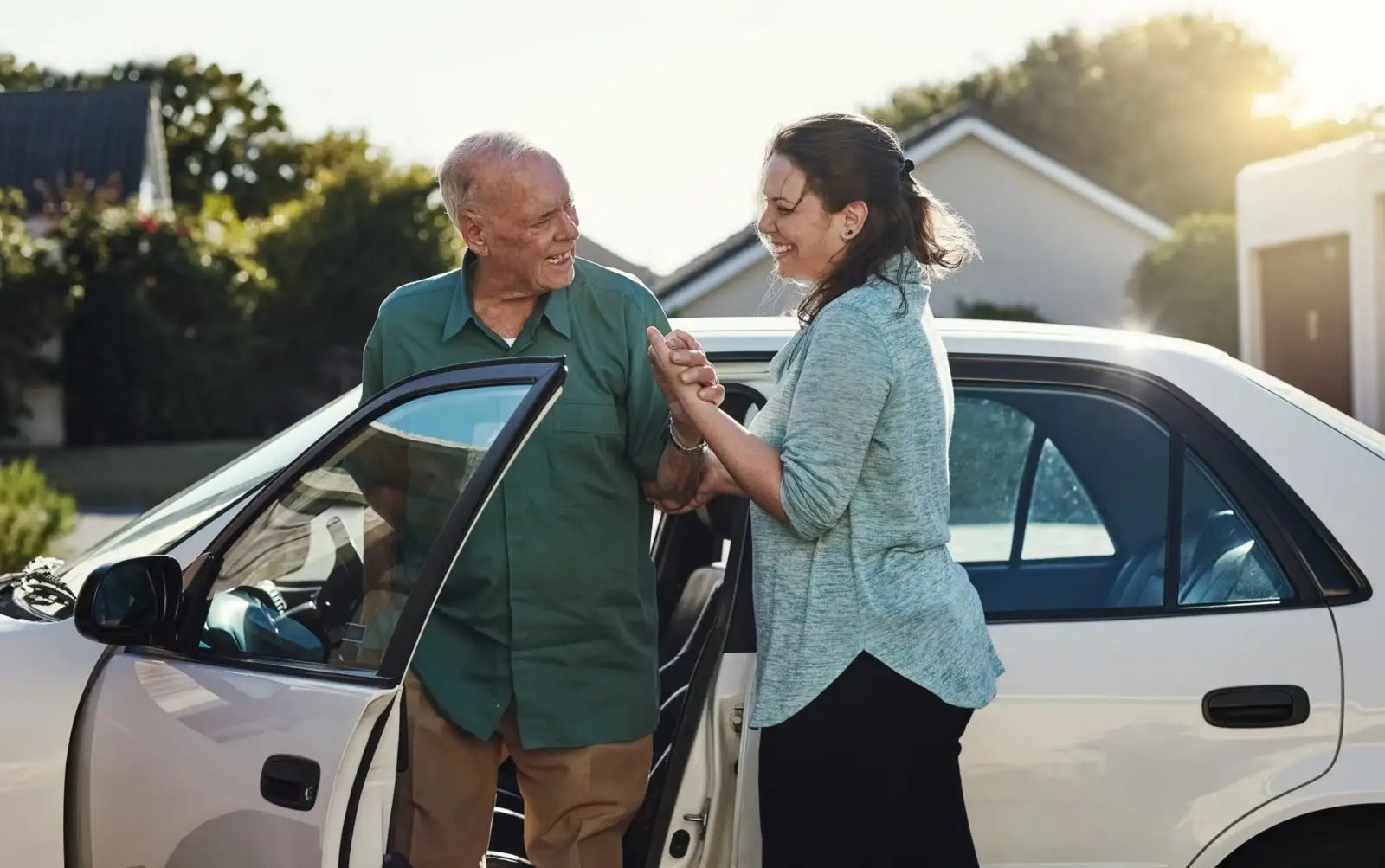
- A vehicle that can accommodate their mobility equipment
- A route without stairs where possible
- Extra time to get dressed, gather essential items and leave the property
- Someone who can help if the usual caregiver is unavailable
- A backup plan if the primary route becomes inaccessible
Write the plan down and make sure everyone involved knows what to do.
Santa Monica’s Aging and Disability Action Plan specifically identifies the need for emergency evacuation planning that supports people with access and functional needs, including people in assisted living, high-rise buildings and those without private transportation.
Plan for the mobility equipment your loved one uses
Mobility equipment can be essential during an evacuation, so include it in the emergency plan rather than treating it as something to collect at the last minute.
Depending on your loved one’s needs, this could include:
- Wheelchair
- Walker or rollator
- Cane
- Transfer equipment
- Essential medications
- Hearing aids and spare batteries
- Glasses
- Communication devices
- Personal care supplies
Keep essential items somewhere that is easy to reach.
If your loved one uses a wheelchair or another device that cannot easily be taken down stairs, speak with the building management or care team in advance about the emergency evacuation procedure. Santa Monica’s current planning also includes consideration of evacuation chairs and other emergency evacuation devices in high-risk buildings.
Never attempt a complicated evacuation technique for the first time during an emergency. If specialist equipment or assistance may be needed, plan for it beforehand.
Create a backup plan for getting out
One of the most important questions is simple: Who will help your loved one evacuate?
If you normally provide care yourself, think about what happens if you are at work, traveling or unable to reach them.
Your backup plan could include:
- A nearby family member
- A trusted neighbor
- A professional caregiver
- A building manager or designated emergency contact
- Another person who already knows your loved one’s mobility needs
Give the people involved clear information about where your loved one lives, how they move around and what assistance they need.
For someone who lives alone, this planning becomes particularly important.
Keep an emergency bag ready
Standard emergency supplies do not always cover what a senior with limited mobility may need.
Prepare a small, easy-to-carry emergency bag containing essentials such as:
- Prescription medications and a medication list
- Identification and important contact information
- Water and easy-to-eat food
- Glasses and hearing-aid supplies
- Phone and charger or portable power bank
- Personal hygiene supplies
- Basic first-aid supplies
- Copies of important documents
- A list of mobility and care needs
- Spare clothing appropriate for the weather
If your loved one has specific dietary, communication or personal care needs, include anything they would struggle to manage without.
Santa Monica’s emergency preparedness guidance also recommends planning for specific medical and dietary needs as part of household emergency preparation.
Sign up for Santa Monica emergency alerts
Make sure your loved one and anyone involved in their care can receive emergency information.
Santa Monica’s SMAlerts system sends emergency notifications by text, email or phone, depending on the circumstances. During a major incident, alerts can provide information about evacuation routes, shelters and available city support.
Don’t rely on one person’s phone. If family members or caregivers are part of the evacuation plan, make sure they know how they will receive updates too.
You can also create a Community Connect profile with information about your household, including floor plans, pets or specific medical needs. The City recommends Community Connect alongside SMAlerts as part of emergency preparedness.
What to do when a tsunami evacuation is needed
If your loved one is in an affected area and evacuation is required, focus on leaving promptly rather than gathering everything they own.
- Help your loved one get ready
Take the mobility aid they need, bring essential medication and make sure they have suitable clothing and footwear.
Avoid spending time packing non-essential belongings.
- Follow the planned route
Use the designated evacuation route and follow instructions from emergency personnel.
If your planned route is blocked or unsafe, follow official directions rather than trying to improvise a route toward the coast.
Santa Monica’s tsunami evacuation routes direct people inland and toward higher ground away from the coastline.
- Stay together
A senior with limited mobility may become frightened or disoriented during an emergency. Stay with them where possible and keep communication simple and reassuring.
If they use a mobility aid or require hands-on assistance, allow enough time to move safely without rushing them unnecessarily.
- Do not return until authorities say it is safe
A tsunami can consist of multiple waves, and the first wave may not be the largest. Do not return to an evacuated area simply because the water appears to have receded.
Follow instructions from emergency authorities and wait for an official all-clear.
What if your loved one cannot evacuate normally?
This is something families should discuss before an emergency.
If your loved one cannot walk, cannot use stairs or requires significant physical assistance, speak with their building management, care provider and emergency contacts about what evacuation assistance is available.
If an immediate emergency means your loved one cannot safely evacuate and you need urgent assistance, call 911 and explain their mobility needs and exact location. Santa Monica advises calling 911 for emergencies requiring firefighters, police or an ambulance.
Do not put yourself or your loved one at additional risk by attempting an unsafe lift or improvised evacuation method.
How caregiver support can help with emergency preparedness
A caregiver can play an important role in helping a senior prepare for an emergency before one happens.
For someone with limited mobility, that might mean practicing how they would leave the home, checking that mobility equipment is accessible, keeping an emergency bag ready or making sure important information is easy to find.
During everyday routines, a caregiver can also become familiar with how your loved one moves around their home and community. That familiarity can be valuable when planning how they would be supported during an evacuation.
At SYNERGY HomeCare of Santa Monica, our caregivers provide one-to-one, non-medical support tailored to each person’s routines and needs. For families caring for a senior with limited mobility, that support can include assistance with mobility, everyday activities and community participation.
You can learn more about our in-home care in Santa Monica and how our caregivers can support your loved one.
Prepare now, so you have fewer decisions to make later
You cannot predict when an emergency will happen, but you can decide what you will do before one does.
For a senior with limited mobility, a good tsunami evacuation plan should answer a few basic questions: Where will we go? How will we get there? Who will help? What does my loved one need to take with them?
Write those answers down, share the plan with anyone involved in your loved one’s care and review it periodically.
The City of Santa Monica’s tsunami preparedness guidance is a useful starting point for checking hazard zones, evacuation information and official warning guidance.
If your loved one needs regular support with mobility, daily routines or getting out into the community, SYNERGY HomeCare of Santa Monica can help. Call (424) 289-6766 to speak with our team about how in-home care could support your family.
Frequently asked questions
How do I know if my loved one lives in a tsunami hazard zone in Santa Monica?
Santa Monica provides tsunami hazard maps showing areas that may be affected by tsunami inundation. Check the City’s current tsunami information and map before creating an evacuation plan.
How much time do you have to evacuate after a tsunami warning?
The amount of warning time can vary depending on where the tsunami originates. Santa Monica notes that a tsunami may arrive within minutes or hours after seismic activity. If you are in the hazard zone and experience strong shaking, unusual changes in ocean level or a loud ocean roar, the City advises evacuating as soon as the shaking stops.
What if a senior can’t walk long distances?
Plan an evacuation route that takes their mobility needs into account and identify who will provide assistance. Their usual mobility equipment should be part of the evacuation plan, and families should discuss any specialist evacuation needs with their building or care provider in advance.
Should a senior evacuate in a car?
Follow current instructions from local emergency authorities. Do not assume that driving will always be the quickest or safest option, particularly when roads may become congested. Your evacuation plan should consider the senior’s mobility needs and the official evacuation routes and instructions in place at the time.
What should a senior take during a tsunami evacuation?
Prioritize essential medication, mobility equipment, identification, communication devices, necessary personal care supplies and other items your loved one cannot safely manage without. Keep an emergency bag prepared so you do not need to gather everything during an evacuation.
Can a caregiver help a senior prepare for a tsunami evacuation?
Yes. A caregiver can help with practical preparation, including organizing essential supplies, understanding the person’s mobility needs, practicing everyday evacuation routines and ensuring important information is accessible. SYNERGY HomeCare of Santa Monica provides non-medical in-home support tailored to each person’s needs and routines.
___________

Call us to find the home care solution that’s right for you.
(424) 289-6766