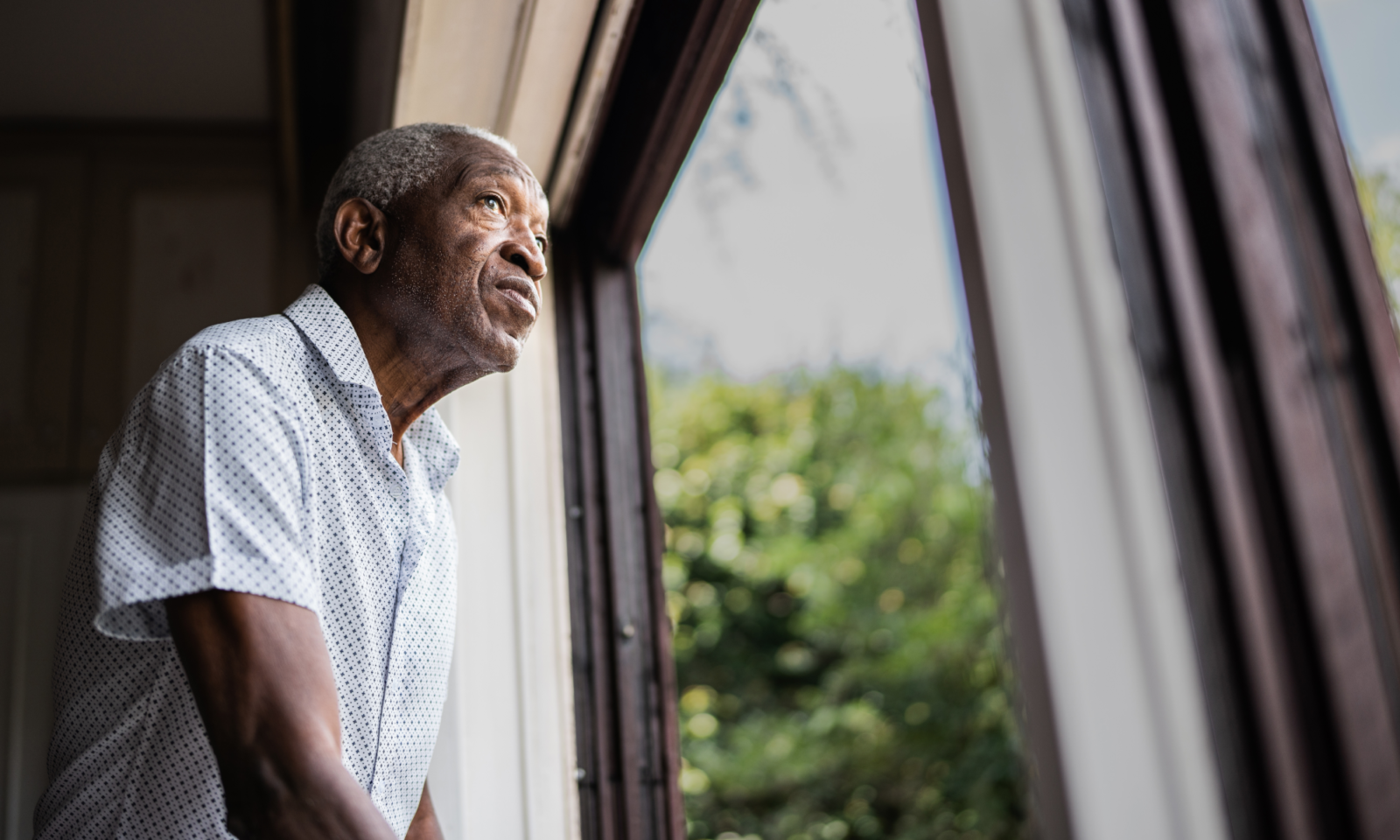
If you’ve lived in Santa Monica for any length of time, you already know the ground here has a habit of reminding us it’s alive. An older adult living on their own will want to know who’s nearby when the next quake happens, and how ready the home is to keep them safe until help arrives.
Being prepared for an earthquake is about being able to stay confidently in the home you love, on your own terms. This guide walks through the practical steps for seniors living alone in Santa Monica: securing the home, packing a kit, knowing what to do the moment shaking begins, and setting up local alerts and check-ins to keep you connected.
Why living alone changes the plan
Most earthquake advice is written for a full household, where someone can help you up, grab the kit, or dive under a table at a moment’s notice. Living on your own shifts the picture.
Reaching the floor quickly may be harder than it once was, and in those first minutes after the shaking stops, there may be no one in the house to check that you’re okay.
The Santa Monica coastline sits within a tsunami hazard zone, so a strong quake carries an extra consideration for anyone near the beach. None of this is cause for worry, but planning now, perhaps alongside companion care in Santa Monica, is what keeps independence intact.
Secure the home to prevent earthquake injuries
In most quakes, the things that fall cause more injuries than the shaking itself. A short weekend project can remove most of that risk.
- Anchor the heavy things: Bookcases, tall cabinets, the water heater, and televisions should be strapped or bolted to wall studs. Move heavier items to low shelves so there’s less to fall down.
- Keep pathways clear: Make sure hallways, doorways, and your route to the front door stay free of clutter to make a safe exit. This matters twice over if you use a cane, walker, or wheelchair.
- Set up a bedside container: Keep your glasses, hearing aids, a flashlight, and a pair of sturdy shoes in a small box secured to the nightstand. Quakes often strike at night, and these are the things that go missing in the dark when you need them most.
- Know your building: If you live in an older multi-family building, it may fall under Santa Monica’s 2017 Seismic Retrofit Ordinance, which strengthens vulnerable structures. Ask your building manager whether the work has been done.
Build a grab-and-go kit for at least 72 hours
Aim to be self-sufficient for three days, since it may take that long for services to reach every neighborhood. Keep everything in one bag, stored somewhere you can reach without stairs.
- Water and non-perishable food for at least 72 hours
- A flashlight, battery-powered radio, and spare batteries
- A full supply of your medications, plus a printed list of what you take, your doses, and your allergies
- A contact card with your doctor, pharmacy, and two people who can be reached in an emergency
- Copies of key documents, such as ID, insurance and medical records, in a sealed, reachable folder
“Drop, Cover, and Hold On” adapted for you
When the shaking starts, the guidance is simple: drop to the floor, take cover under something sturdy, and hold on until it stops. But that assumes you can get down quickly, and that isn’t realistic for everyone. Here’s how to adapt it:
- If you can get to the floor: Drop, crawl under a sturdy table or desk, and hold on.
- If you’re seated in a chair: Stay put, bend forward, and cover your head and neck with your arms.
- If you use a walker or wheelchair: Lock the wheels, stay seated, cover your head and neck, and hold on.
Whatever your position, shield your head and stay put until it’s over.
Set up a check-in plan for when you’re on your own
Everything above protects the moment of the quake. This next step protects the hours after it.
- Name two people who will call or come by to check on you as soon as it’s safe. Make it a standing agreement, so no one has to wonder whose job it is.
- Learn your utility shut-offs. Know where the gas, water, and electric valves are, and when they should be turned off. A gas smell after a quake, for instance.
- Consider a wearable alert or a phone-based alert system, so help is two taps away if a landline goes down.
This is also where a familiar face earns its place in the plan. When a trusted caregiver who knows your routine is already part of your week, someone reliable already understands your home, medications, and the exits, and can be there if a quake hits.
For families managing memory conditions, disorientation during a quake is a real concern, and specialized care for dementia and Alzheimer’s means a calm, familiar presence rather than a stranger.
Santa Monica alerts and resources worth setting up today
These are free, take minutes to arrange, and are specific to our city.
- ShakeAlert early warning: California’s ShakeAlert system can give you several seconds of warning before shaking arrives. Sign up at earthquake.ca.gov/get-alerts.
- Local notifications: Register at santamonica.gov/alerts for official updates during an emergency.
- Emergency radio: Keep your battery radio tuned to Santa Monica’s local station, 1680AM, for real-time safety information.
- Tsunami map: If you live near the coast, check the LA County tsunami hazard map so you know your zone before you ever need to.
A calmer kind of independence
A solid plan means you’re not living in fear of the next quake. You know you can handle it and keep living, comfortably and independently, in the home you love.
Earthquake preparedness for a senior living alone in Santa Monica comes down to a secured home, a ready kit, a clear plan, and someone who’s got your back.
If you’d like help putting that last piece in place, we’re always here for you. Schedule a free in-home consultation whenever you’re ready.
Frequently asked questions
What should a senior do during an earthquake in Santa Monica?
Drop, cover, and hold on. If getting to the floor isn’t practical, stay seated, cover your head and neck, and hold on until the shaking stops. If you’re near the beach, move inland and out of the tsunami hazard zone once the shaking ends.
How do you build an earthquake kit for an older adult living alone?
Pack at least 72 hours of water and non-perishable food, a flashlight, a battery radio, spare batteries, a full supply of medications, and a printed list of medications, doses, allergies, and emergency contacts. Keep it in one bag, stored somewhere reachable without stairs.
What’s the most important earthquake preparation for someone who lives alone?
A check-in plan. Name two people who will contact you as soon as it’s safe after a quake, so no one has to wonder whose responsibility it is. A regular in-home caregiver can also be part of this plan, as a familiar person who already knows the home, the medications, and the exits.
How can seniors in Santa Monica get earthquake early warnings?
Sign up for California’s ShakeAlert system at earthquake.ca.gov/get-alerts, register for local notifications at santamonica.gov/alerts, and keep a battery radio tuned to Santa Monica’s emergency station, 1680AM.
___________

Call us to find the home care solution that’s right for you.
(424) 289-6766