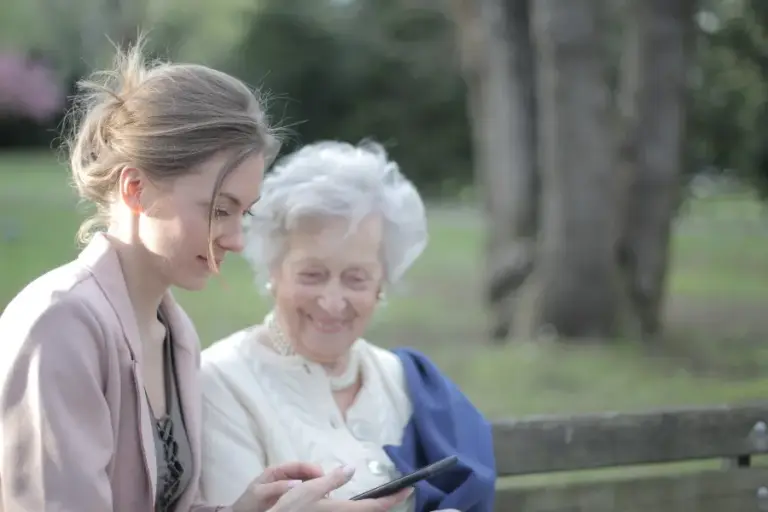
When a parent starts repeating the same question, or gets turned around on a drive they have made a thousand times, most families in Murfreesboro do not start by looking for a caregiver. They start by hoping it is nothing. By the time the search begins, the need is usually real and the pressure to choose quickly is high.
That pressure is exactly why so many families end up with a caregiver who is kind and willing but not actually prepared for dementia. The two are not the same thing. This guide walks through what real dementia training looks like, what questions to ask, and how to tell the difference before your loved one is the one testing it.
Why Dementia Care Requires More Than General Caregiving Experience
A caregiver with years of experience helping with bathing, meals, and mobility may still be unprepared for a mid-afternoon episode of agitation or a loved one who insists on going home while sitting in their own living room.
Dementia changes how a person processes language, time, and place. A caregiver who has not been trained for that will often respond with logic and correction, which usually makes the moment worse. Trained caregivers respond differently. They redirect, they validate the emotion behind the words, and they adjust the environment instead of arguing with it.
That difference does not show up on a resume. It shows up on a hard day.
What Real Dementia Training Actually Includes
Not all training is equal. Some agencies count a one-hour orientation video as dementia training. Here is what more substantial preparation looks like.
Stage-Specific Knowledge: Early, middle, and late stage dementia call for very different approaches. A caregiver should be able to explain how their support changes as needs change.
Communication Techniques: This includes short sentences, one question at a time, and a calm tone. It also includes knowing when to stop talking entirely.
Behavior Response, Not Behavior Correction: Wandering, repetition, sundowning, and resistance to care each have their own approach. Trained caregivers treat these as communication, not misbehavior.
Safety and Fall Awareness: Judgment and depth perception change with dementia. Caregivers should be practiced in fall and injury prevention as part of daily routine, not as an afterthought.
Ongoing Education: One certification years ago is not the same as continued training. Ask when the caregiver last had dementia-specific instruction.
Questions to Ask Before You Hire in Murfreesboro
These are the questions that separate a confident answer from a rehearsed one.
What specific dementia training have your caregivers completed?
Look for a named program or curriculum, not a vague reference to experience.
Who is trained, and how do you match caregivers to dementia clients?
Some agencies train a few staff and hope for the best on scheduling. Ask whether every caregiver assigned to your loved one will be dementia trained, including backup and weekend coverage.
Walk me through how a caregiver would handle my mother insisting she needs to pick up her kids from school.
This is the tell. A trained answer talks about redirection and emotional validation. An untrained answer talks about explaining that the kids are grown.
What happens when needs change?
Dementia progresses. Ask how the care plan gets reassessed and who is responsible for noticing shifts.
How do you communicate with the family?
You should know what happened during a shift without having to interrogate anyone.
Warning Signs the Training Is Thin
Overpromising on outcomes: Any provider suggesting that care will reverse or halt cognitive changes is telling you something untrue. Good care supports comfort, routine, and dignity. It does not undo dementia.
Discomfort with specifics: If detailed scenario questions get answered with generalities about compassion, that is a gap.
Treating behavior as the problem: Language that frames your loved one as difficult, combative, or a handful signals a caregiver who has not been taught to look for the cause underneath.
No plan for consistency: A rotating cast of unfamiliar faces is hard on anyone with memory loss. Ask directly how the agency protects caregiver consistency.
How Local Familiarity Helps in Rutherford County
Dementia care is not only about technique. A caregiver who knows Murfreesboro can drive a familiar route rather than a confusing one, keep a standing appointment at a known clinic, and suggest an outing that fits a good day rather than overwhelming one.
SYNERGY HomeCare of Murfreesboro serves families across Rutherford County, including Smyrna, Eagleville, Rockvale, and the surrounding Middle Tennessee communities. Local knowledge makes the practical parts of care easier for everyone.
Families exploring options often start with our memory care support, then add care and companionship hours as routines settle in. You can see the full range on our home care services page.
Frequently Asked Questions
Is dementia care the same as skilled nursing?❯
No. SYNERGY HomeCare of Murfreesboro provides non-medical care. That includes help with daily routines, safety, companionship, and supervision. Clinical services come from a licensed medical provider.
How soon after a diagnosis should we bring in a caregiver?❯
Earlier than most families do. Introducing a caregiver while your loved one can still participate in the relationship makes the transition much smoother than waiting for a crisis.
Can we start with just a few hours a week?❯
Yes. Many Murfreesboro families begin with short shifts and increase hours as needs change.
Will my parent have the same caregiver each visit?❯
Consistency is a priority for dementia clients. We build schedules with familiar faces in mind and discuss backup coverage with you upfront.
Is 24-hour care available?❯
Yes. Around-the-clock and overnight coverage can be arranged when supervision needs increase.
How do we get started?❯
Call SYNERGY HomeCare of Murfreesboro at (615) 933-6733. We will talk through your situation and schedule a free in-home assessment at no obligation.
Start Dementia Care Services in Murfreesboro Today
You should not have to guess whether a caregiver is prepared for what your family is facing. Ask the questions, listen for specifics, and trust what you hear.
If you would like to talk it through with someone local, call us at (615) 933-6733 or schedule your free consultation and we will take it from there. We serve families throughout Murfreesboro, Rutherford County, and the surrounding Middle Tennessee area.