As the coronavirus pandemic goes on, doctors and scientists are learning more and more about the virus. One of the things that has become evident is that there is a wider array of symptoms than doctors originally believed. Recently, the Centers for Disease Control and Prevention (CDC) added six symptoms to the previously known list. Knowing all the symptoms of coronavirus is useful in knowing whether your aging relative might have the virus.
Newly Identified Coronavirus Symptoms
Originally, there were three main symptoms of coronavirus. They were:
- Fever.
- Cough.
- Shortness of breath.
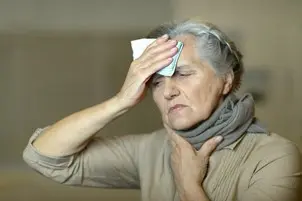
The new symptoms that have been added are:
- Chills.
- Muscle pain.
- Headache.
- Sore throat.
- Recurring chills and shaking.
- Loss of sense of taste or smell.
Symptoms can be anywhere from mild to severe. They typically appear within 2 to 14 days of exposure to the virus. In addition, not everyone will experience the same symptoms, which makes it even more difficult to determine if an older adult has the coronavirus. To further help people to determine if they or someone else might have the coronavirus, the CDC offers this additional guidance:
People with these symptoms or combinations of symptoms may have COVID-19:
- Cough
- Shortness of breath or difficulty breathing
Or at least two of these symptoms:
- Fever
- Chills
- Repeated shaking with chills
- Muscle pain
- Headache
- Sore throat
- New loss of taste or smell
Symptoms that Indicate Emergency Help is Needed
Because older adults are more susceptible to the virus and more likely to experience severe symptoms, it is important for family caregivers to know when to get seniors emergency medical assistance. Symptoms that warrant immediate medical attention are:
- Difficulty breathing.
- Pain or pressure in the chest that doesn’t go away.
- New confusion or being unable to arouse the individual.
- A bluish tint to the senior’s lips or face.
When calling 911, be sure to tell the operator that you believe the older adult has the virus. If possible, put a cloth face mask or covering on the senior before help arrives. It is also a good idea for you to put on a mask, too, as you may have been exposed to the virus.
How Home Care Can Help with the Coronavirus
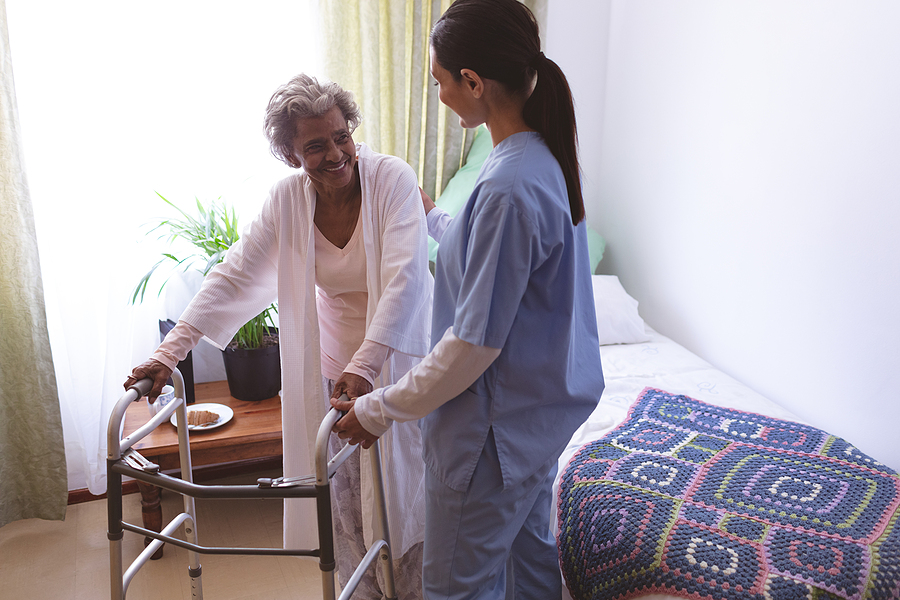
Home care providers are able to visit older adults during the coronavirus pandemic because they are considered essential workers. While visiting your aging relative, they can watch for symptoms of the virus. If necessary, a home care provider can assist with getting the older adult medical assistance. In addition, a home care provider can help with taking steps to prevent the virus, such as reminding the older adult to wash their hands often and disinfecting surfaces in the home.
Sources
https://www.cdc.gov/coronavirus/2019-ncov/symptoms-testing/symptoms.html
https://www.webmd.com/lung/news/20200428/cdc_adds_six_symptoms_to_covid_19_list
If you or an aging loved one is considering home care services in Laurel, MT, please contact the caring staff at SYNERGY HomeCare Billings today at 406-839-2390.