READ MOREWhat to Expect as Your Loved One Ages: Prevent the Top 3 Hospitalization Causes for Seniors



Image of Dr. Macie Smith, as she discusses tips for supporting someone living with dementia

By Dr. Macie Smith For older adults, a trip to the hospital can have a long-term negative impact completely unrelated to the reason for hospitalization. According to the National Institutes of Health, functional decline—the lack of ability to do things—can be the result of restricted mobility, inadequate nutrition and hospital acquired infections. That’s why it’s…

READ MORE

READ MOREWhat to Expect as Your Loved One Ages: Recovery After Hospitalization


Image of Dr. Macie Smith, as she discusses tips for supporting someone living with dementia

By Dr. Macie Smith So you’ve gotten home from the hospital and are still feeling a little off. If your stay was three or more days, you may have what is known as “hospital-associated deconditioning.” This refers to general weakness or loss of fitness because of not using your muscles, which can happen due to bed…

READ MORE

READ MOREDon't be a statistic: how to avoid hospital readmissions


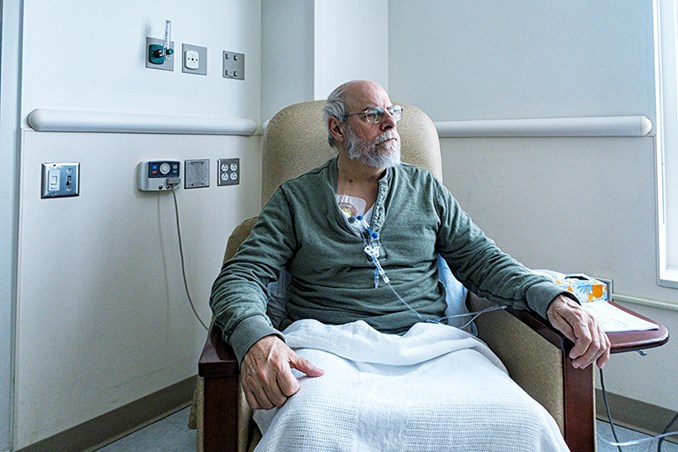
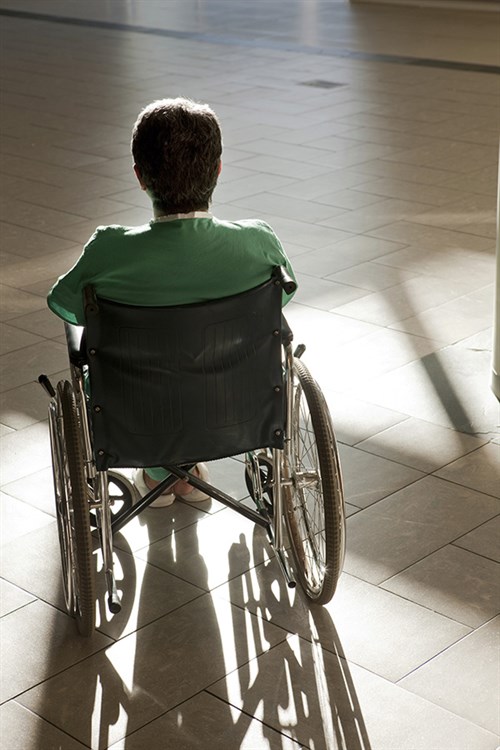
senior male in hospital room sitting

When a person is recovering from a serious illness or surgery, they are often reliant on help from others. Hospitalization happens when the body needs time and support to heal. Surgery also requires downtime and assistance for the body to heal properly. Significant illness and invasive procedures (including childbirth) are reasons to consider options of self-care so that faster recovery is possible. 

READ MORE

READ MOREHow to prevent hospital readmissions


bigstock-female-doctor-talking-to-senio-55984178.jpg

After a lengthy stay in the hospital due to a traumatic car accident, surgery or illness, the thought of taking care of yourself can be scary and overwhelming. Especially if your body is still recovering and you don’t feel like you can take care of your everyday living tasks like bathing, cooking, cleaning or even driving. After hospitalization, many people are afraid of not having the adequate care and for good reason. The U.S. Department of Health and Human Services reported in September 2019 that being discharged from the hospital can be a dangerous event. Nearly 20% of patients experience adverse events within three weeks of discharge, three-quarters of which were preventable.  

READ MORE

READ MOREHow to prevent hospital readmission


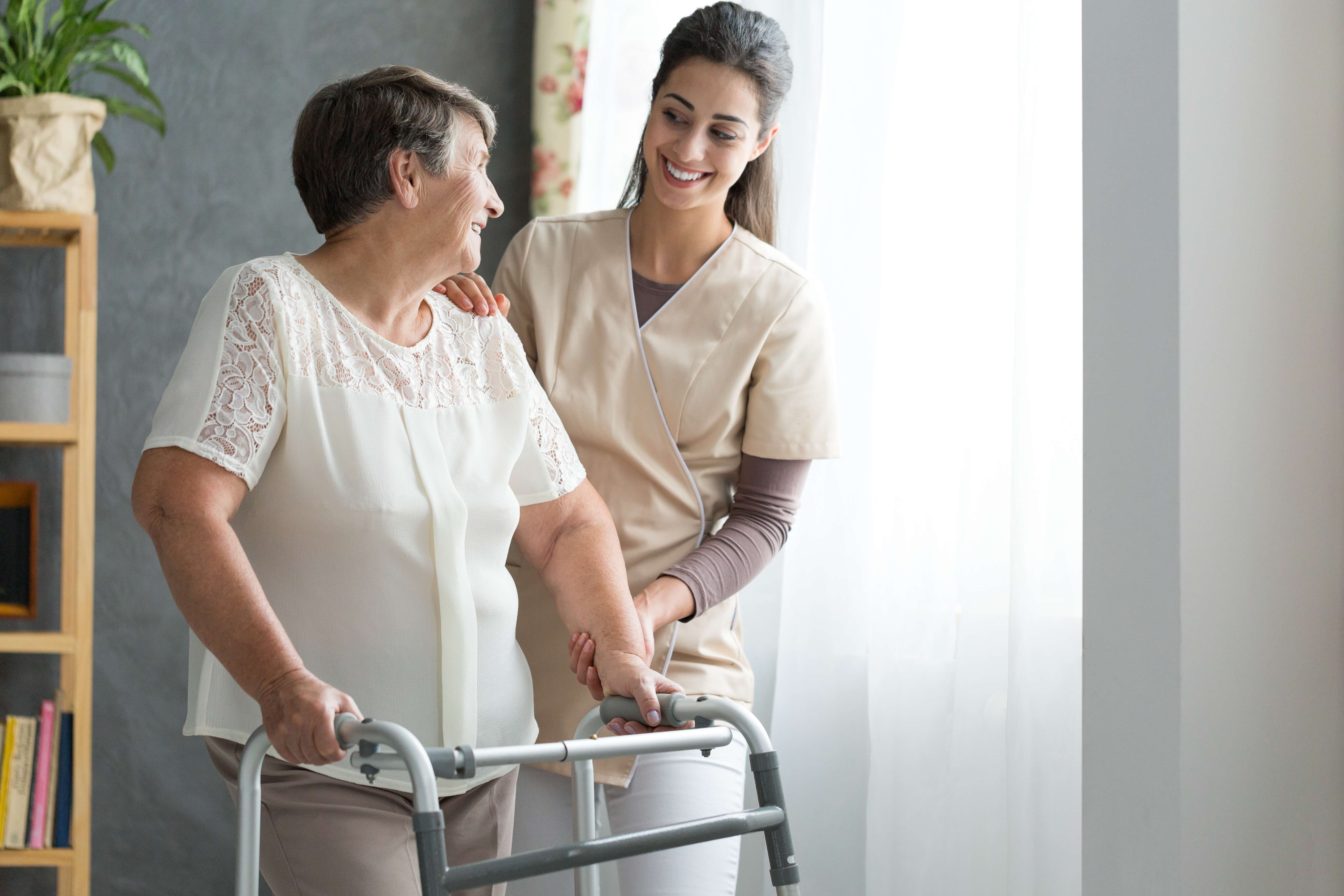
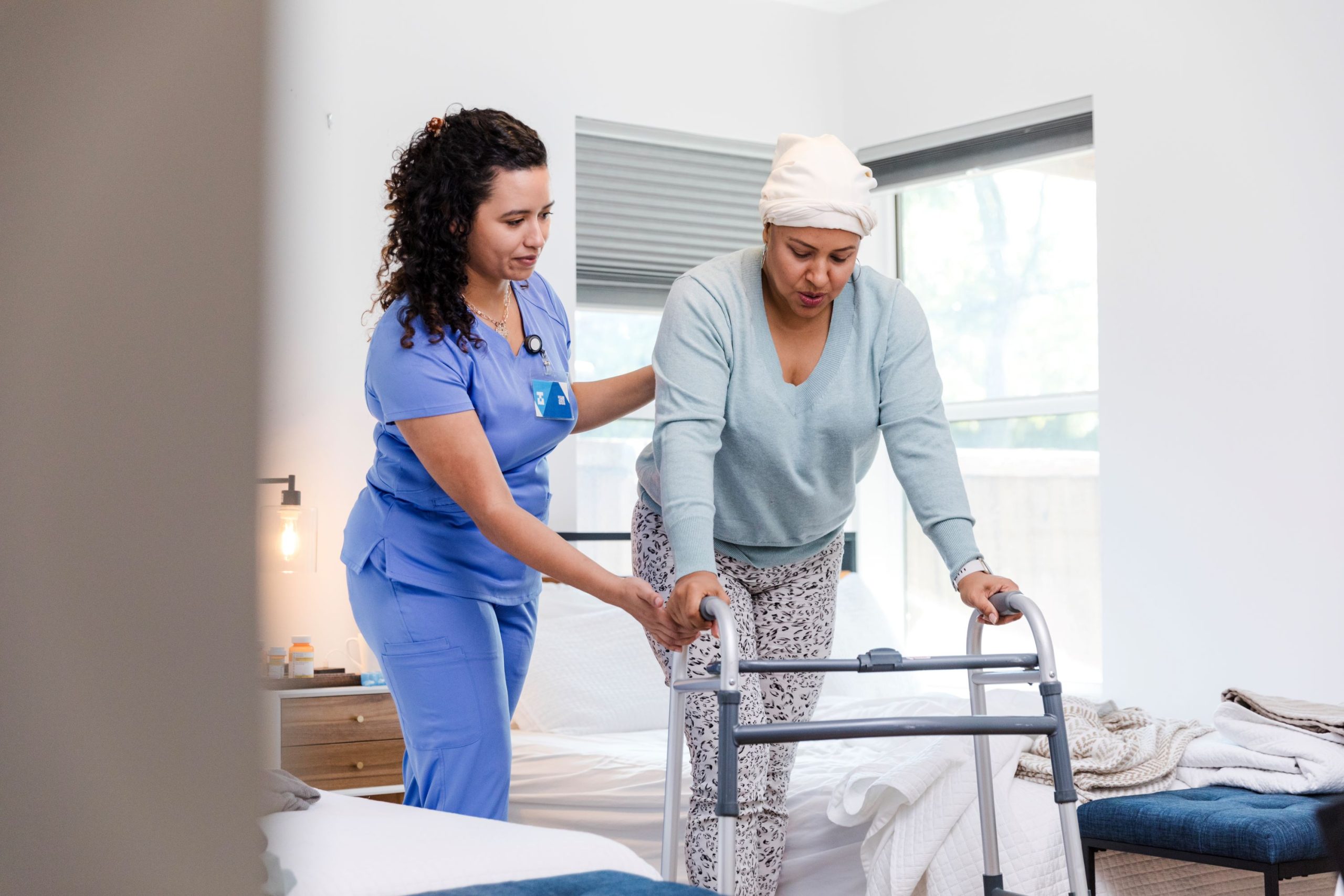
senior woman in walker being helped by caregiver for seniorspost hospital recovery

Hospital aftercare in your own home offers a safe alternative to rehab or a nursing facility where exposure to COVID-19 is higher and caregivers have several patients to attend to which means your needs may lag attention.  Post-hospitalization, recovering from a car accident or surgery—SYNERGY HomeCare home care ensures a speedy recovery, reducing the risk of readmission.

The best reasons for choosing in-home care for hospital aftercare are one-on-one care, faster recovery time, and reduced risk of exposure to coronavirus.

READ MORE

READ MOREHow Seniors Can Prevent Hospital Re-admission


readmittance1_gettyimages-1035099742.jpg

A return to the hospital shortly after discharge is an indication that the patient was not prepared to go home.  In-home care provides one-on-one care for faster recovery by following discharge instructions. SYNERGY HomeCare can help with a caregiver who will take care of you and your home.

READ MORE

READ MOREReducing the Risk of Hospital Readmission Begins Early


Whether it’s for an injury, illness or surgery, being admitted to the hospital is sometimes unavoidable. However, making a return trip within 30 days can often be prevented, yet an estimated 20 percent of Medicare patients do just that. Not only does this trend have a negative impact on patients’ health, it costs the healthcare system billions of dollars each year, but a smart approach for transitioning from the hospital to a home care setting can lower the risk of readmission. 

READ MORE

READ MORE7 Great Ways to Provide Post-Hospital Care


Having a loved one in the hospital can be very stressful, and repeat hospital stays make your caregiving experience seem like an emotional rollercoaster. Bringing your loved one home is a relief, but it can cause a lot of worry. What can you do to keep your loved one at home and ensure their well-being? Here are seven actions that can make the difference between continuing recovery at home and returning to the hospital. 

READ MORE

READ MOREHome Care Prevents Hospital Readmission


Being readmitted to the hospital is a common health risk among older adults. Some statistics show that as many as one-fifth of seniors are re-hospitalized within 30 days of returning home, usually with a different condition than they were originally admitted for. When an elderly loved one comes home from the hospital, whether it is after a prolonged illness or injury, it’s important for family members to take steps to provide the best senior care possible. 



READ MORE
logo