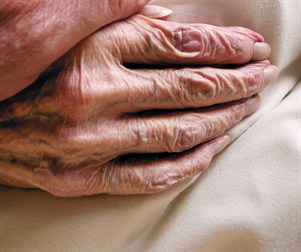
Coping with the death of a loved one is always difficult, but when a senior loses a spouse, his or her adult children may have to worry about their parent’s mental well-being. Aside from being concerned about their ability to move on, family caregivers often have to address the feelings of loneliness that come with the loss of a spouse, so it’s important to recognize some of the personality changes that may accompany a spouse’s death.
READ MORETag: Companionship








READ MORECompanionship For a Longer Life
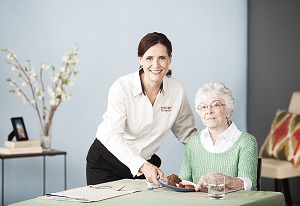
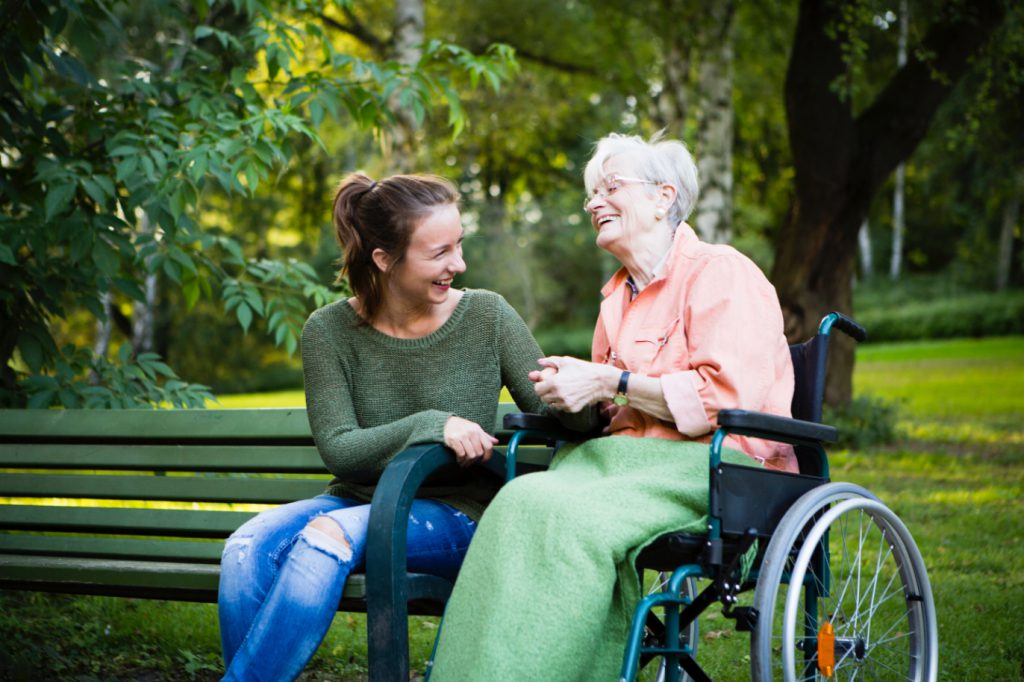
Providing companionship is important for seniors who live alone. According to the National Academy of Sciences, loneliness takes its toll on happiness and well-being. Companionship can be the way that seniors and their family members have good quality of life.
Related Articles





READ MORECare and Companionship for Alzheimer’s Disease
According to the Alzheimer’s Association’s 2012 edition of Alzheimer’s Disease Facts and Figures, currently “5.4 million Americans are living with Alzheimer’s disease.” The annual report also states that an “estimated 800,000 individuals with Alzheimer’s (one in eight), live alone…and up to half of them do not have an identifiable caregiver.”
READ MORERelated Articles







READ MORECompanionship: An Important Part of the Healing Process
After an extended stay in the hospital it can be difficult for many nurses and case workers to see patients leave without any supplemental support. The healing process continues even after medical attention is discontinued. This is where home care comes in.