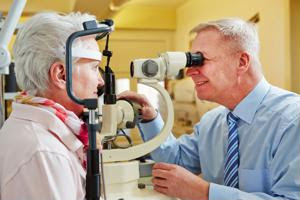
New research performed at the University of California in San Diego found that even the smallest of strokes can have significant damage on the brain, while possibly causing dementia or Alzheimer’s disease. However, a drug may be able to stave off the illness and keep cognitive function intact.
Category: Uncategorized




READ MOREKeeping Independence
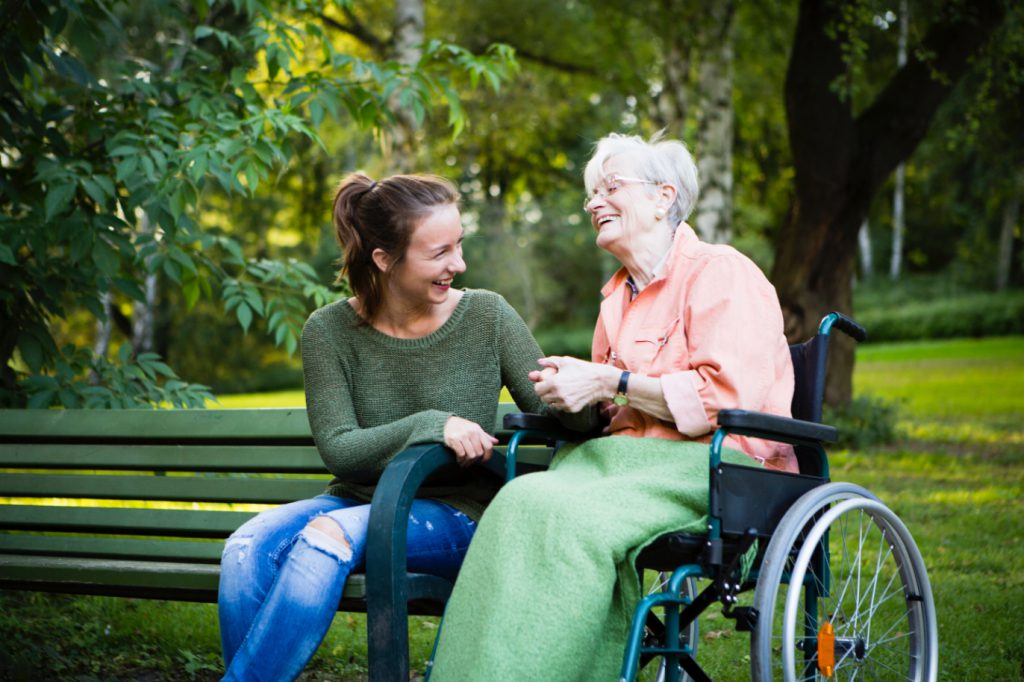
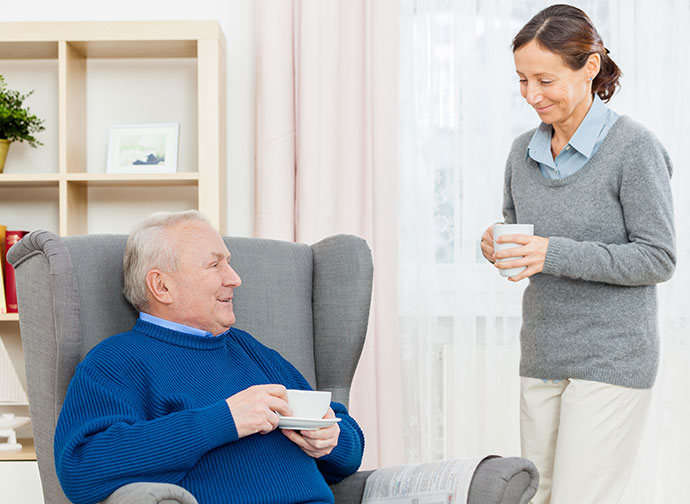
Anybody who has spent time with elderly family members knows how much they value their independence. Even when medical conditions, surgery or osteoarthritis have made it more difficult to get around, aging in place and doing things by themselves is important to seniors, and home care can help them maintain their ability to do so.
Related Articles



READ MOREIndependent Living for Seniors
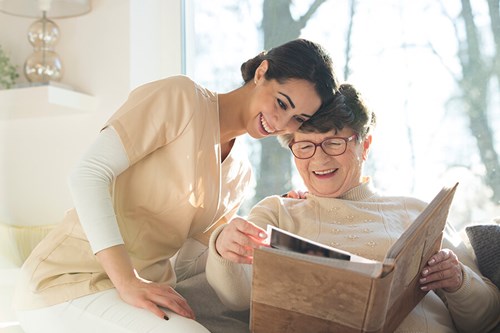
At SYNERGY HomeCare, know that seniors highly value their independence. Even while experiencing the physical effects of aging, such as loss of strength, mobility, memory and sensory sensitivity, there are ways to protect and promote the independence of seniors. After all, bodies do get older, but personalities often stay young. In observance of Senior Independence Month in February, here are a few ways that home care can help.
Related Articles




READ MORECaregivers are a Vital Part of Cancer Treatment
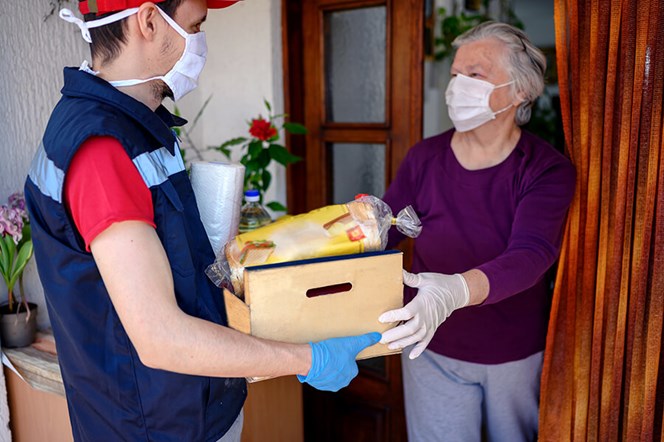
Cancer treatment can differ greatly from patient to patient. While some people may experience only mild symptoms, others may encounter some that can be quite debilitating and necessitate the use of in-home care. Although family caregivers can often lend a hand around the home, sometimes they can’t always be there, and personal care providers can help fill the gaps.
Related Articles






READ MOREPossible Test for Parkinson’s
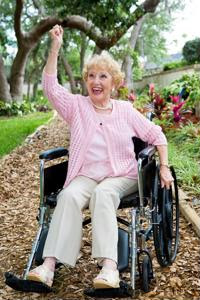
One of the biggest challenges posed by Parkinson’s disease is that there’s no surefire test to diagnose the condition. However, new research suggests that looking at a patient’s salivary glands could offer some insight into whether he or she has the disease earlier than ever before.
READ MORERelated Articles


READ MOREHome Care Prevents Hospital Readmission
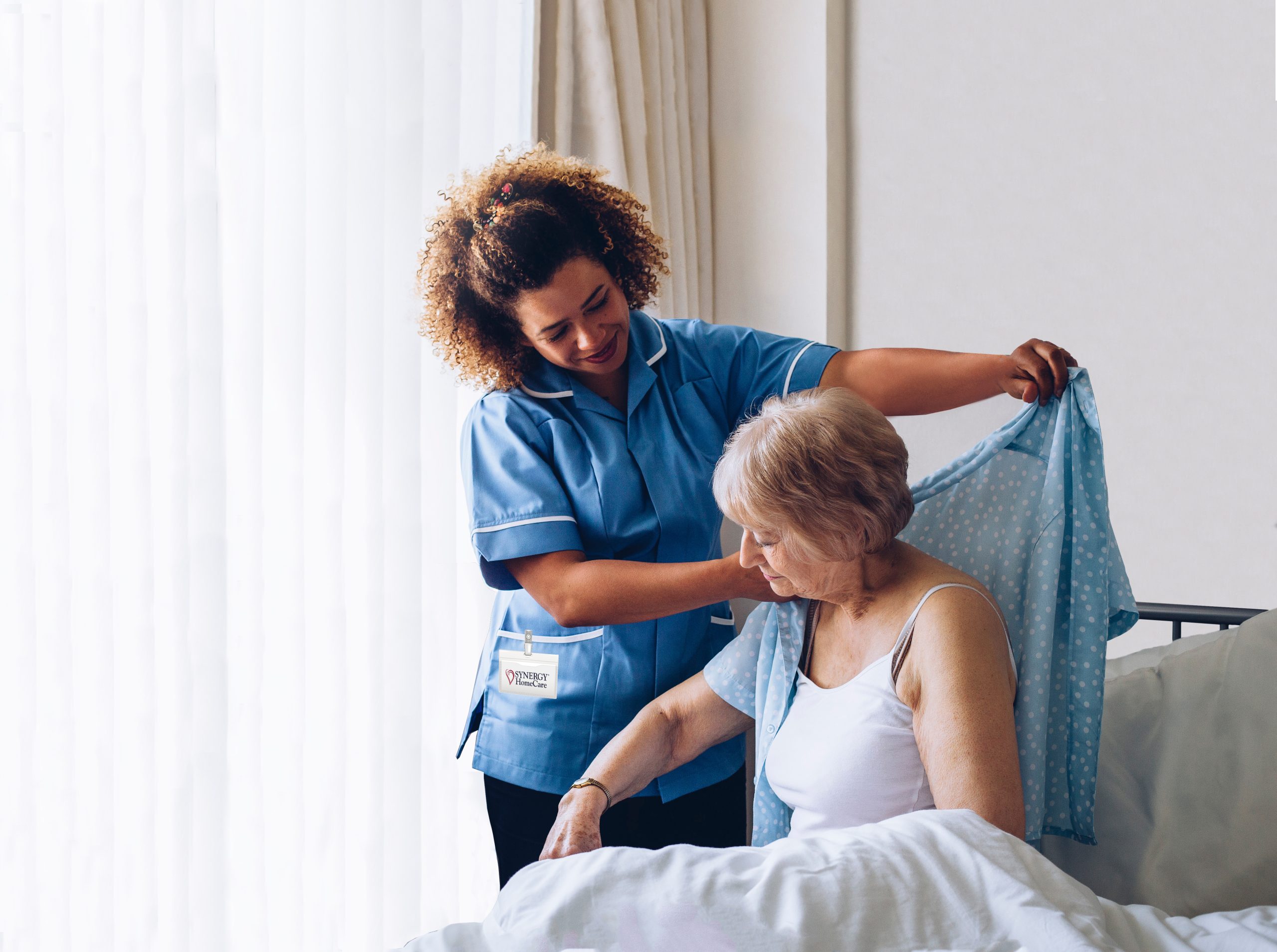
Being readmitted to the hospital is a common health risk among older adults. Some statistics show that as many as one-fifth of seniors are re-hospitalized within 30 days of returning home, usually with a different condition than they were originally admitted for. When an elderly loved one comes home from the hospital, whether it is after a prolonged illness or injury, it’s important for family members to take steps to provide the best senior care possible.
Related Articles


READ MOREHelping Seniors Manage High Blood Pressure
High blood pressure poses a serious health risk to many older adults. Although it is often hard to identify because there are so few symptoms, having a blood pressure reading above the recommended level can raise a senior’s risk of a number of conditions, including heart disease, hardened arteries or even aneurysms. Given the risks, it’s important for senior care providers to help their patients manage their blood pressure.
Related Articles
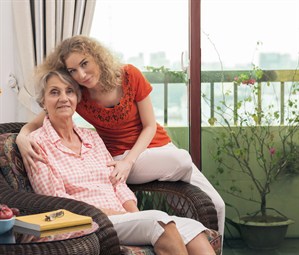



READ MOREAddressing Loss of Appetite in Seniors
A healthy diet is a cornerstone of senior living, but sometimes family members may notice their older relative is not eating as much as he or she should. There are a number of reasons why your senior loved one may have a smaller appetite than in years past, and recognizing the underlying cause could improve senior care.
Related Articles


READ MORE13 Ways to be a Great Family Caregiver
Being a caregiver for your loved one can be extremely rewarding. At SYNERGY HomeCare, we work with many family caregivers like you, so we know the happiness you feel when the person in your care has a good day. We also know the fulfillment that comes from helping another person. As you look after your family member, you may look for ways to grow in your role as a family caregiver, and we are here to help you every step of the way. As we look forward to 2013, we would like to share 13 attributes of great family caregivers.
Related Articles





READ MOREDeciding Between Short and Long Term Care
It’s important to many seniors to stay in their home as they age, but chronic conditions and injuries can sometimes make that difficult. Home care has helped elderly individuals age in place, but there are many decisions for family caregivers to make when it comes to selecting the right level of care, including the duration of the assistance.