READ MOREWhy empathetic communication is important in home care
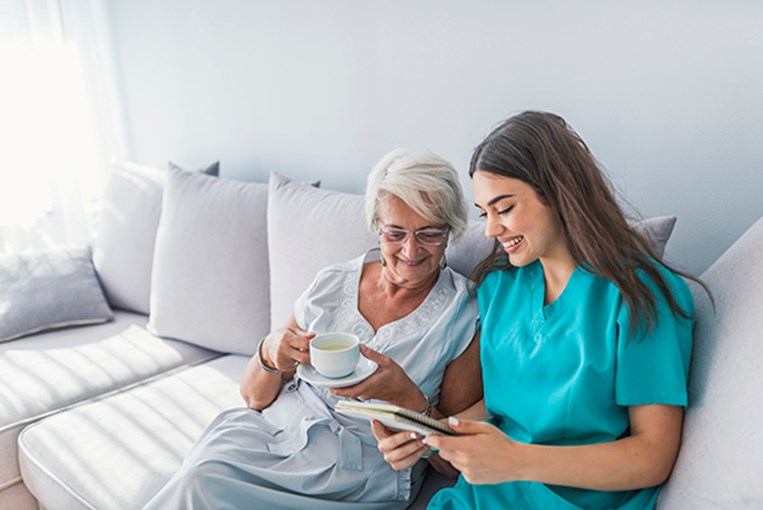

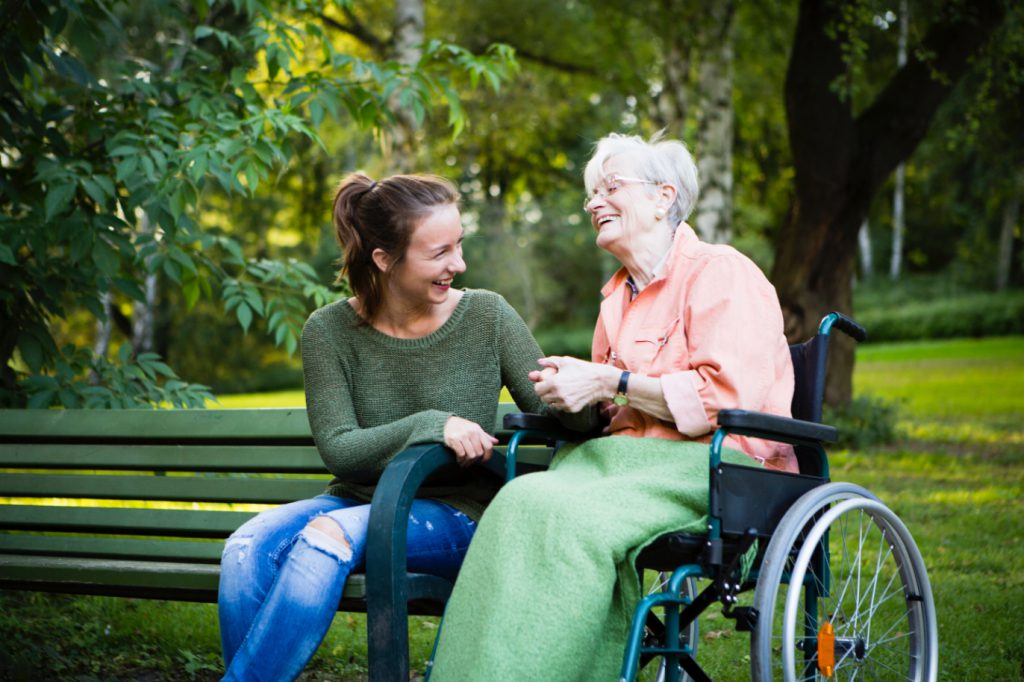
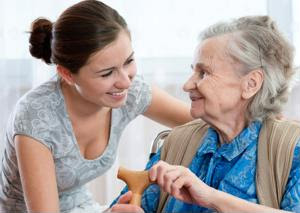
female caregiver sitting on couch with client talking

Home care providers take on a great deal of responsibility. In this industry, trust is essential. Serving and caring for other people is quite rewarding and home care providers can build amazing relationships with the clients they support. But to be able to provide the best service and client satisfaction, communication is critical.

READ MORE

READ MOREShould you move your aging parents into your home during the pandemic?


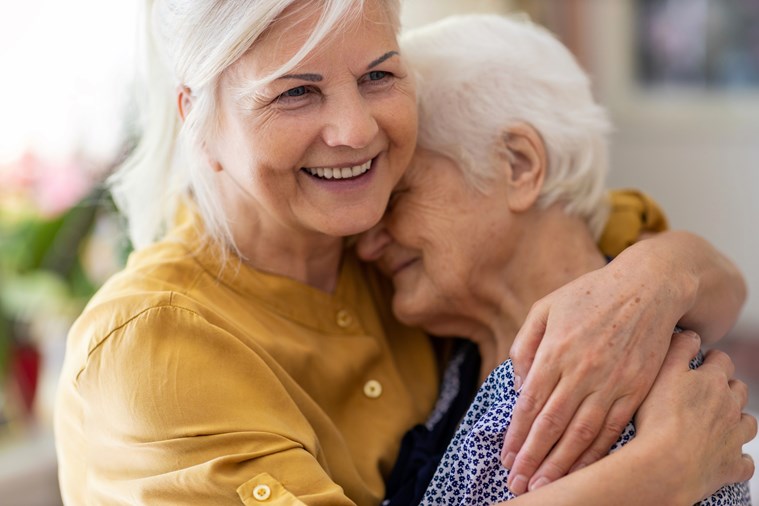
adult daughter hugging senior mom

The Pros and Cons

The COVID-19 pandemic has a lot of people on edge, particularly those who are concerned with the well-being of loved ones at high-risk of contracting the virus. The CDC states “The risk for severe illness with COVID-19 increases with age, with older adults at highest risk. Severe illness means that a person diagnosed with COVID-19 may require hospitalization, intensive care, a ventilator to help them breathe or may even die.” 

READ MORE

READ MOREFive rules for caregivers to survive the pandemic


caregiver sitting in comfy chair yawning with left hand on forehead

As we climb into 2021, the COVID crisis continues to present challenges for everyone. Caregivers, who are already overwhelmed and struggle with feelings of isolation, continue to push through, but the National Alliance for Caregiving says that today, caregivers are at an even greater risk for health, emotional, financial and work-related problems because of COVID related restrictions.  

READ MORE

READ MOREWhat is Benevolent Probing and how will it help my aging parents?


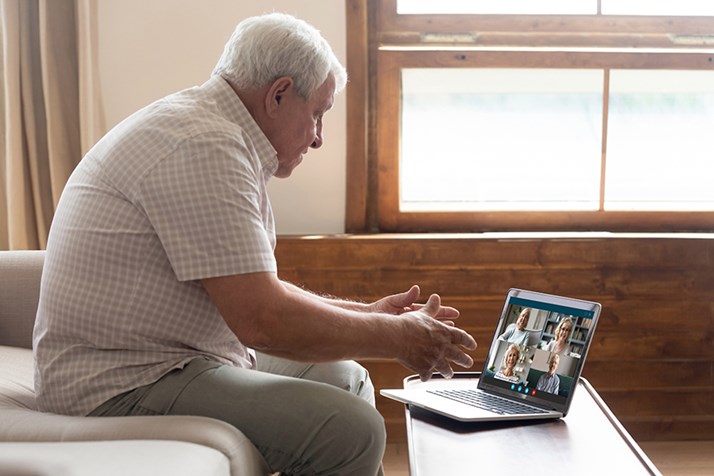
senior man on zoom call with family

As the adult children of aging parents, you may be hyper-alert to your parents’ physical and mental health. In-person visits are opportunities to assess your loved ones and to pick-up on signals of cognitive decline. As the holidays roll around, COVID-19 has caused another potential risk in the health and safety of aging adults as they are less likely to have in-person visits from loved ones who can pick up on red flags of declining health. 

READ MORE

READ MOREWhat to do when self-reliant baby boomers need help at home


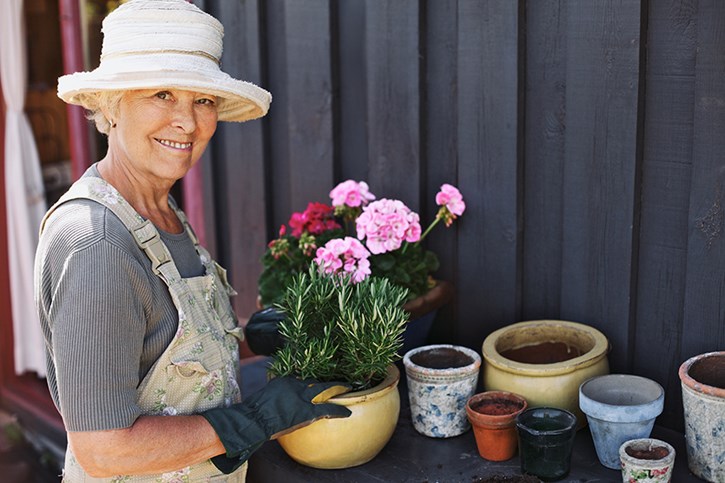
senior woman planting flowers

The vast majority of seniors prefer to “age-in-place” or continue living in their own homes or communities. According to aarp.org, “nearly 90 percent of people over age 65 want to stay in their home for as long as possible, and 80 percent believe their current residence is where they will always live.”

READ MORE

READ MORE15 Questions for Choosing a Home Care Provider


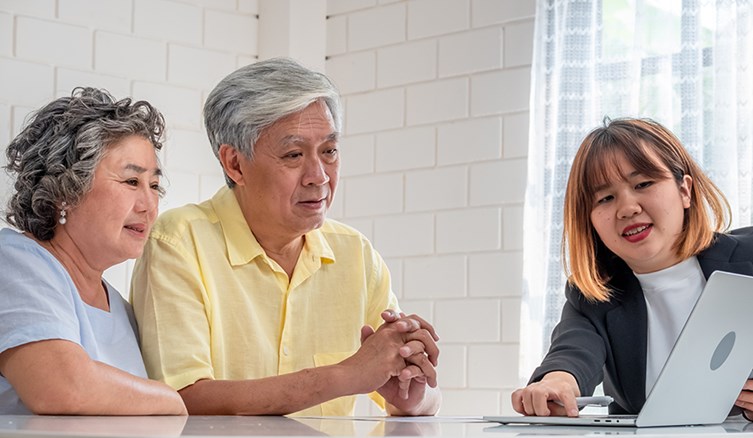
adult children consulting with home care professional

Opting for in-home care over assisted living and rehabilitation facilities is a growing trend that shows no sign of slowing down. The U.S. Bureau of Labor Statistics predicts that home health and personal care aid jobs will grow 34% from 2019 to 2029, a growth rate they classify as “much faster than other occupations.” And as more seniors choose home care over assisted living facilities due to COVID-19, there’s a good chance this industry will grow even more quickly than predicted.

READ MORE

READ MORESigns of Caregiver Burnout


family caregiver with elderly loved one

A 2020 report conducted by the AARP and the National Alliance on Caregiving found that the number of family caregivers has climbed from 18% of adults in 2015 to more than 21% in 2020. And 36% of these caregivers say their situation is “highly stressful.” If this stress is not addressed, it can affect physical, mental and emotional health. Learn the signs of family caregiver burnout.

READ MORE

READ MORERefugee who fled deadly civil war in native Liberia honors community by serving others


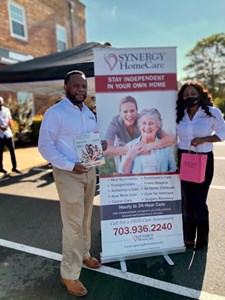
felix and sabita standing outside during grand opening

Felix Gbee came to the US in 1997 as a refugee fleeing the deadly civil war in his native Liberia.

He later graduated from St Thomas University in Minneapolis and was headed to law school when the Sept. 11 attacks occurred. 

 

READ MORE

READ MORELive Your Best Life With In-Home Support


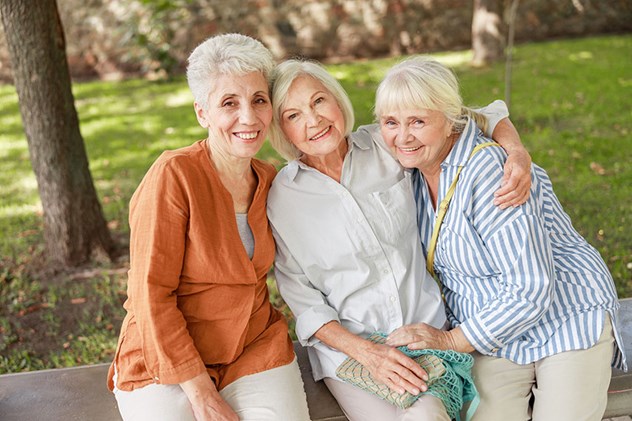
Three senior women smiling sitting outdoors happy

According to the U.S. Census Bureau, nearly one-third of all seniors live by themselves. That means that one-third of our senior population is attempting to take care of themselves while suffering from age-related challenges, medical problems, and, in some cases, mental health problems. Many cannot drive to get where they need to go and even struggle with managing their finances and medication.

READ MORE

READ MORERelief for family caregivers hit with compassion fatigue during COVID-19


caregiver female with head tilted down and fingertips supporting head eyes closed sad

Family caregivers have been struggling with caregiver burnout for longer than most can remember. “Compassion fatigue” was penned decades ago to describe the physiological effects experienced by professional caregivers. Today, the term has resurfaced in the health care field as the buzzword to describe the toll it has taken on caregivers as they battle the ups and downs of COVID-19. 

READ MORE
logo