READ MORECaring for Myself While Caring for My Aging Parents

Caring for yourself while caring for aging parents

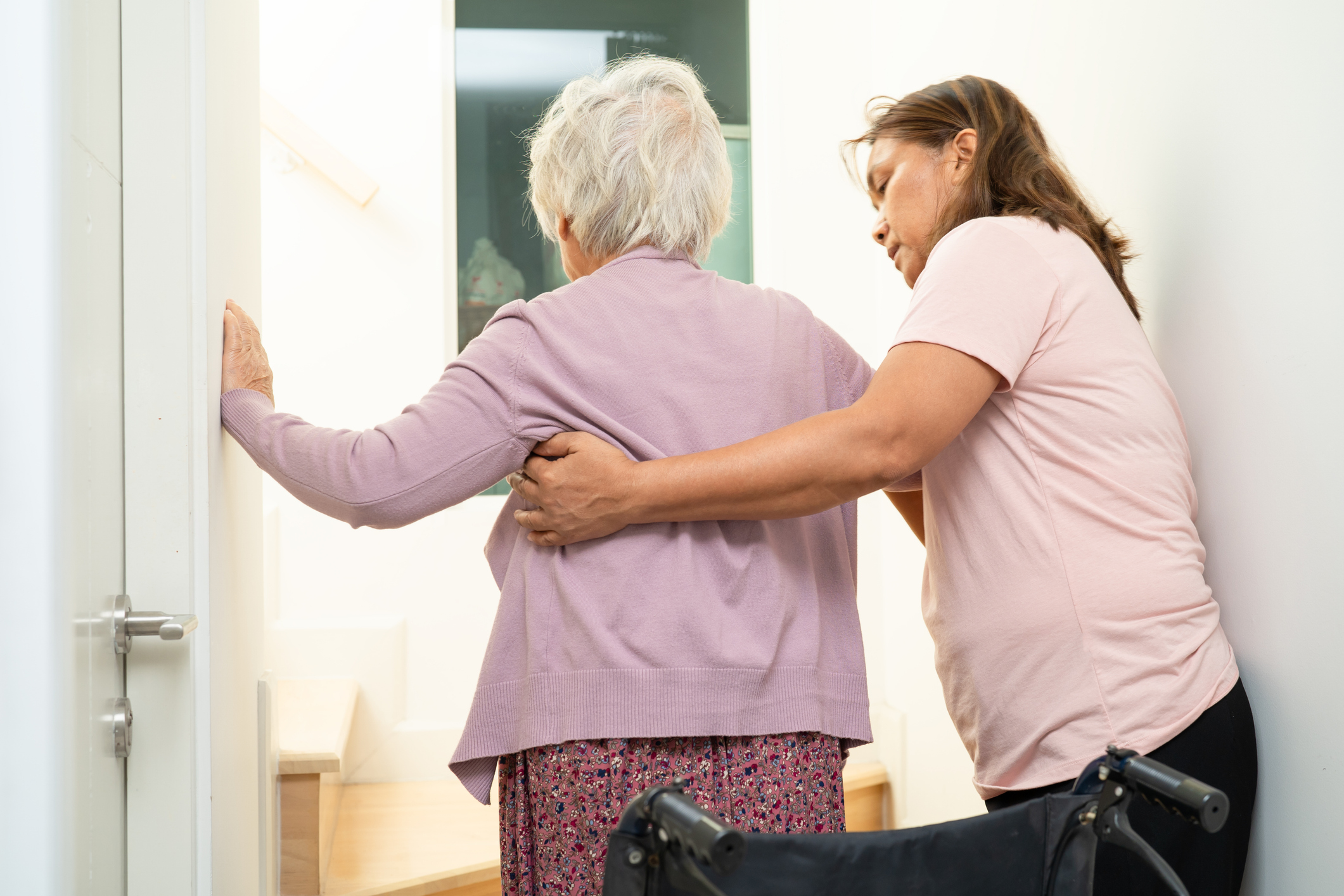
During Disability Awareness Month it’s an opportunity to shine lights on the Sandwich Generation that is faced with the biggest juggling act of their lives. In addition to caring for their spouses, children, careers and own selves, they’ve taken on caring for their aging, often disabled, parents. Whether the parents are living with their adult…

READ MORE

READ MOREWhen do my aging parents need help?


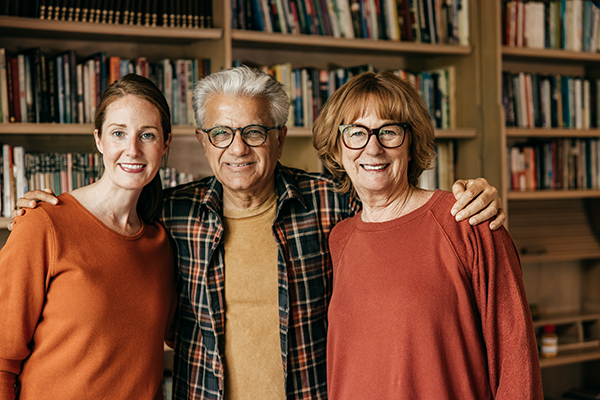
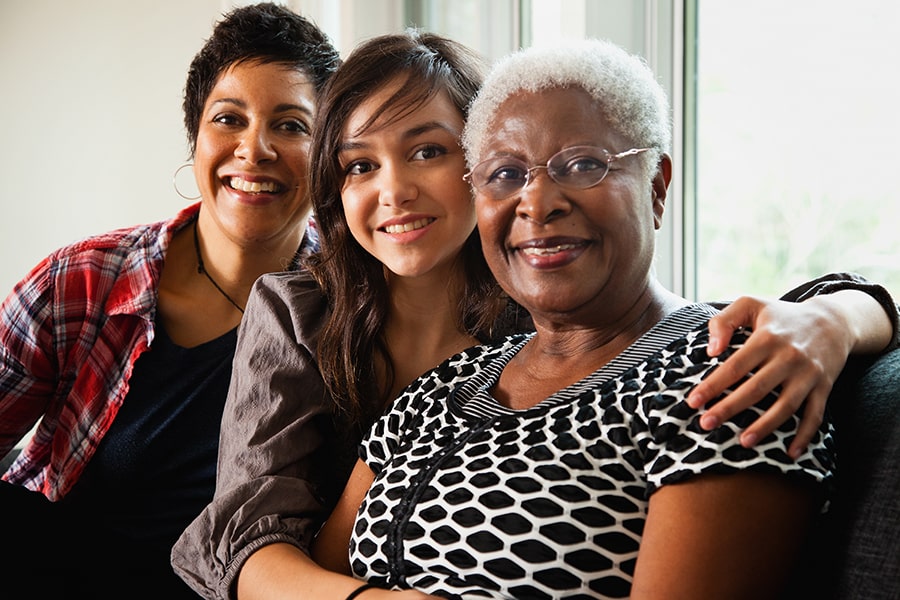
Adult daughter with her aging parents smiling

Blowing out 50 candles isn’t easy, physically or mentally. It was a different kind of birthday for me. I turned 50! The big five-oh! Why did I feel so old? I went full circle with the thought of being old. From, “Oh my god, what’s happening to me?” to “I don’t feel any different.”  But…

READ MORE

READ MOREAsk For Help


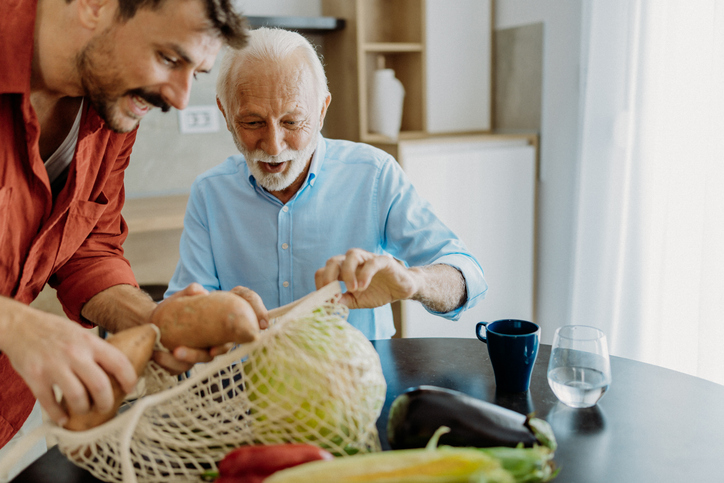
Senior Dad asking his son for help

We are, by nature, independent beings who want to do things for ourselves which makes it extremely uncomfortable to ask for help from others. It’s a control thing. For seniors, asking for help is pretty much admitting to themselves that they are losing control of their independence, freedom, and lifestyle. This is an incredible fear for aging adults – especially those who have not had to rely on the support of others. 

READ MORE

READ MOREHome Care: The Bridge for Seniors to Live at Home


Seniors Enjoying Life

Home care for yourself or an aging loved one is not on the foremost thoughts of most people until it becomes a necessity. At that point, the decisions made about care and support are made under a great deal of stress and without having the time to ask all of the questions you want or ensure the quality of care matches your needs. Along with the stress also comes misconceptions about home care, what it is and what it is not. 

READ MORE

READ MORE7 steps to your best retirement life


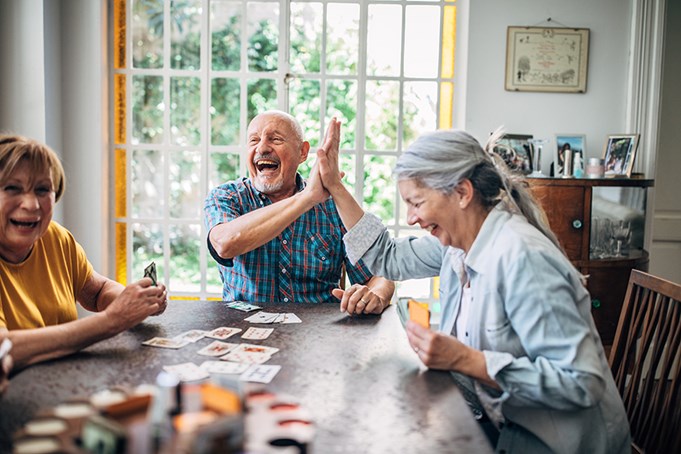
3 seniors laughing playing cards at a table

You’ve probably read some email subject lines like “Be 10 years younger in two days!” Or “lose 40 pounds by drinking this at bedtime.” 

READ MORE

READ MORELearn why neighbors are a gift for seniors


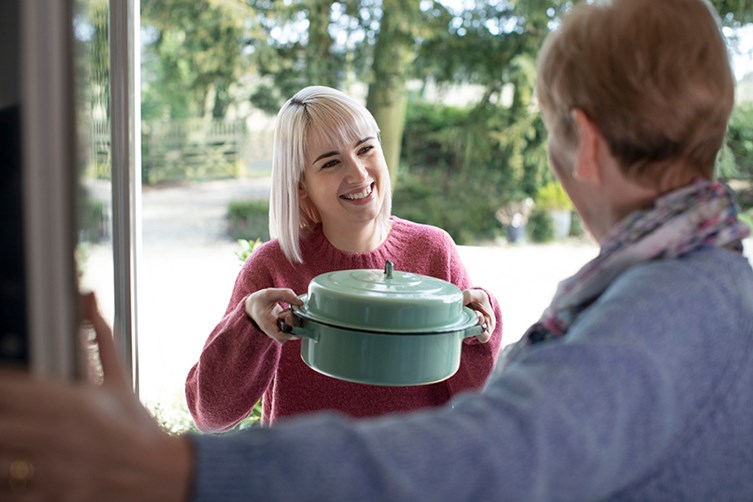
neighbor taking caserole to senior neighbor

Limited social interaction isn’t great for any person, but it is particularly hard on seniors. Social interaction is a major factor in the quality of life of elderly people. Without it, seniors are more likely to feel lonely and depressed – which will negatively impact physical health. Loneliness and depression are often followed by reduced physical exercise, poor nutrition, poor habits and more.   

READ MORE

READ MOREHow seniors prolong their independence at home


female caregiver helping senior man out of bed

Maintaining independence later in life is often a great self-esteem booster that promotes a sense of self-worth, well-being and achievement – which are all incredibly valuable for aging adults who feel as if they have very little control of life changes that come with age. 

READ MORE

READ MOREWhy independence is important for seniors


senior couple on couch watching tv

Remember when you were excited to grow up and be independent, making your own life decisions?  Oh, those rites of passage— wearing makeup or shaving. That was a long time ago and the memories are indelible.

READ MORE

READ MORECreate a Plan for Aging in Place


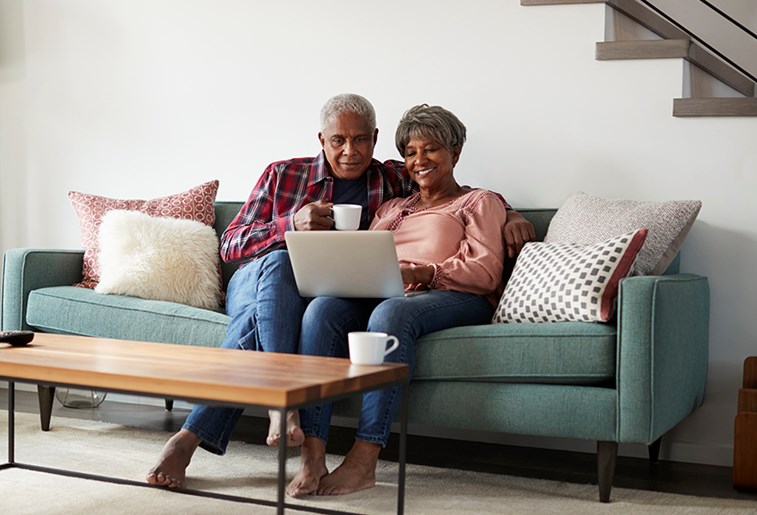
senior couple sitting on couch looking at laptop drinking coffee

When you think about where you want to live as you grow older, what comes to mind? If you’re like most adults, you probably imagine staying in your own home. In fact, 3 out of 4 adults ages 50 and older report they want to stay in their homes and communities as they age, according to a recent AARP survey. And for good reason. “Aging in place,” or safely growing older in your own home rather than in an assisted living facility has many benefits that contribute to the overall quality of life. To name a few, aging at home:

READ MORE

READ MORETechnology for Aging in Place


Image of happy seniors discussing the best technology for aging in place.

New technology can make it easier to communicate, remember things, and get around safely. 
Most adults over age 50 say they’d like to “age in place”—that is, safely grow older in the comfort of their own homes rather than in an assisted living facility. There are multiple benefits to aging in place: it is often more cost-effective, allows you to keep your long-time social connections, doctors, and other service providers, and provides more independence.

READ MORE
logo