Alzheimer’s disease affects over 6 million older adults in the United States. A recent report from the Alzheimer’s Association maps out where those living with Alzheimer’s reside throughout the US. The new Alzheimer’s study, which was released in the Association’s Alzheimer’s and Dementia Journal, reveals a greater prevalence of Alzheimer’s in the East and Southeast…
READ MORECategory: Dr. Macie Smith
READ MOREHappy National Senior Citizens Day: Recognizing A Loved One
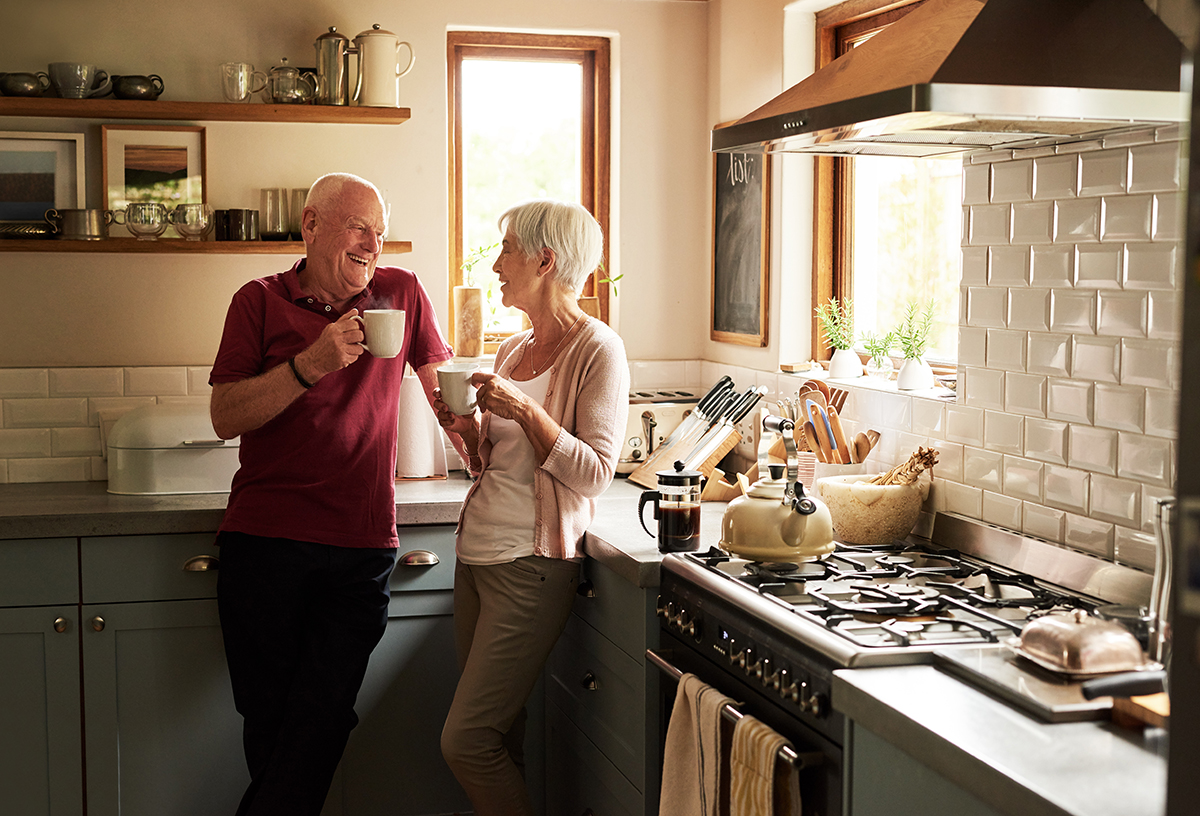
According to the U.S. Census Bureau, approximately 78 million people aged 65 and older will reside in America by 2035. This figure will surpass the number of the population under the age of 18 for the first time in the nation’s history. Where did Senior Citizens Day come from? Honoring our older generations in an…
READ MORERelated Articles

READ MOREUnderstanding Sandwich Generation Caregivers
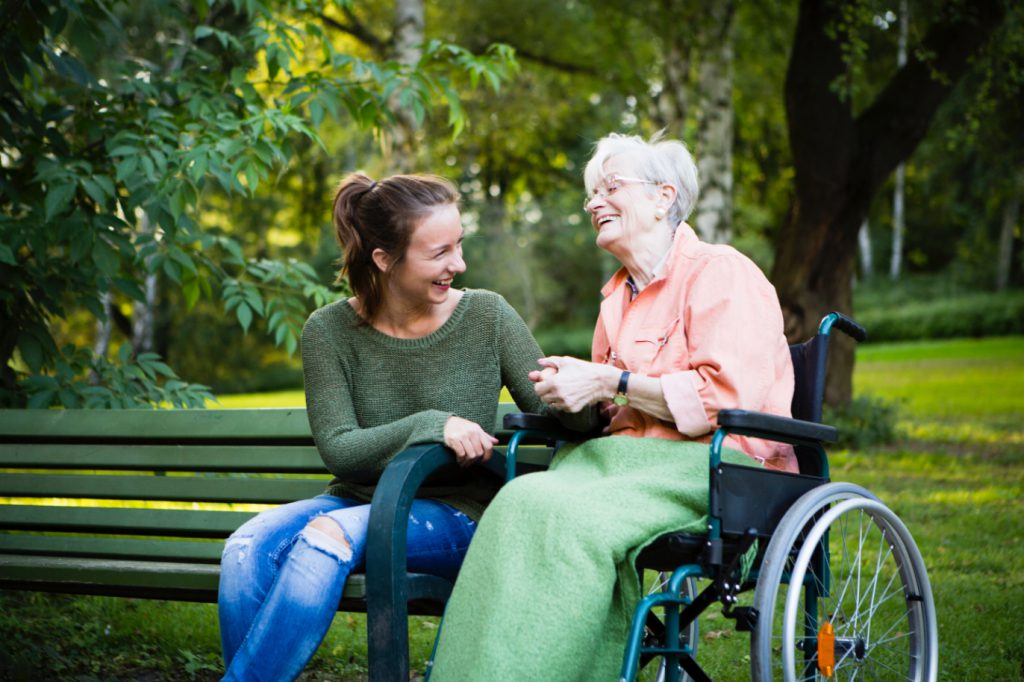
We asked Dr. Macie your burning questions about how to manage life as a caregiver and parent. Read on to learn more about the challenges that family caregivers face and guidance on how to manage and navigate your individual situation. 1. Can you define the ‘Sandwich Generation’? The term was coined by two social workers…
READ MORERelated Articles

READ MORE7 Essential Characteristics of In-Home Caregivers For Seniors That Promote Person-Centered Care
Person-centered care is an effective approach for optimizing quality of life as well as outcomes for people receiving care. This involves treating the person, not their condition, by taking the time to get to know the person and incorporate who they are into the provision of care – an approach that creates a bond between…
READ MORERelated Articles

READ MOREMay is Older Americans Month: Don’t Be Afraid of Aging, Embrace It!
Does the thought of getting older scare you? I’m here to tell that you don’t need to be afraid of aging. In fact, you should embrace it. Here’s how: 1. Get on board with the benefits of getting older: the wisdom that comes from experience the confidence to be authentic the ability to not sweat…
READ MORERelated Articles
READ MOREHow To Find Help for Family Caregivers
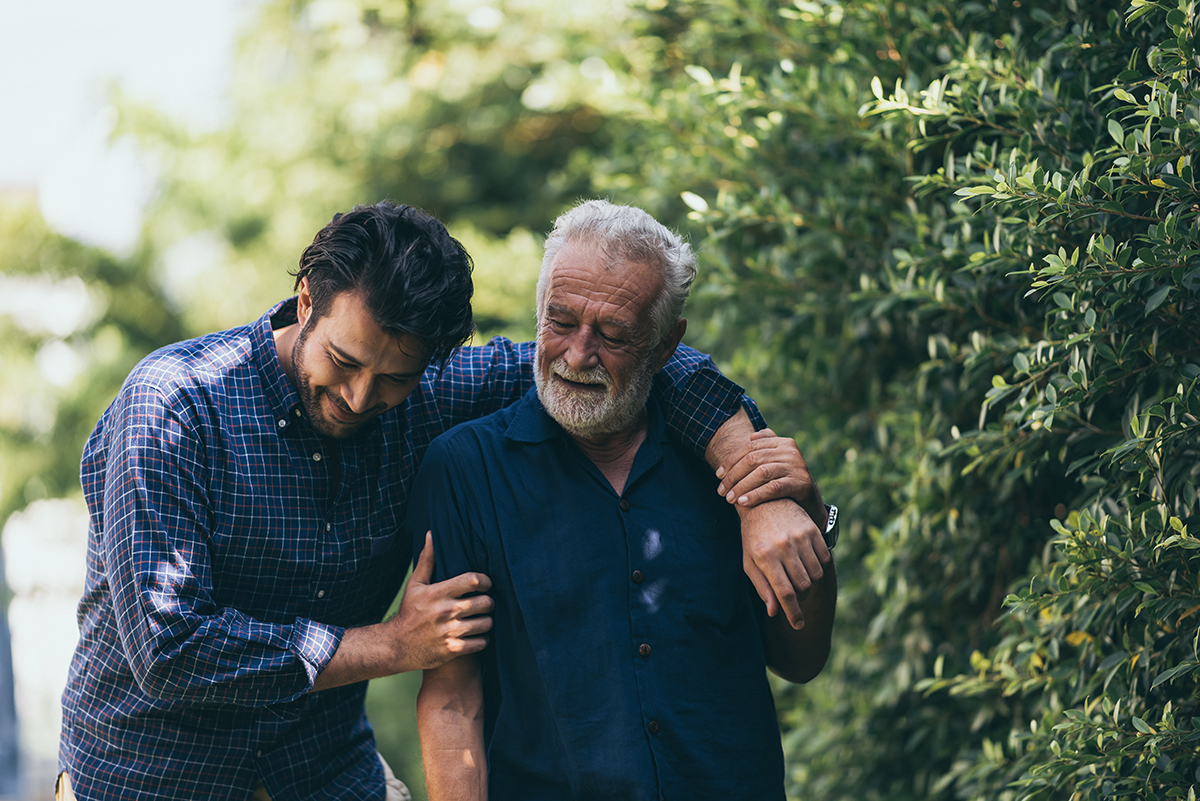
Are you a family caregiver? Chances are, you may not even realize you are because you are simply doing what comes naturally for your family. But the reality is that there are millions of people helping family members live their best life. This could include activities important for daily living such as bathing and dressing,…
READ MORERelated Articles
READ MOREWhat to Expect As Your Loved One Ages: Tips for Supportive Home Care for Alzheimer’s Patients
Did you know that more than 6 million Americans are living with Alzheimer’s or another dementia right now? Alzheimer’s disease is an irreversible, progressive brain disorder that slowly destroys memory and thinking skills and, eventually, the ability to carry out the simplest tasks. It is the most common cause of dementia in older adults. Here…
READ MORERelated Articles
READ MORETips for Gen Z and Millennials Supporting a Loved One Living with Dementia
Caring for a loved one with early onset dementia may mean taking on caregiving responsibilities earlier than expected. Dr. Macie provides some helpful guidance for Millennials and members of Gen Z. The recent announcement regarding Bruce Willis’ dementia diagnosis has likely raised many questions. While many people think dementia only occurs in older people, Bruce…
READ MORERelated Articles
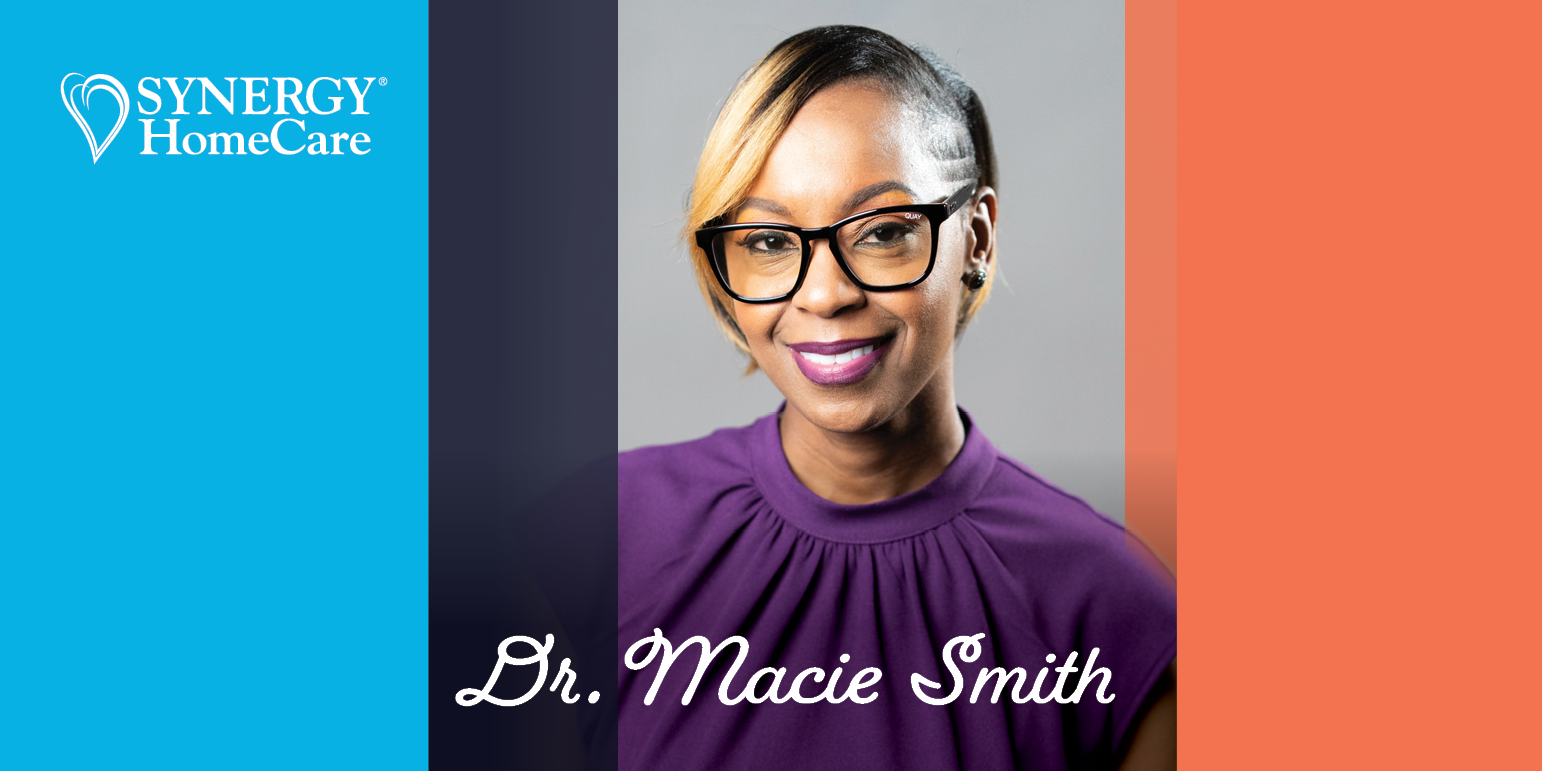

READ MOREVideo Series: Fall Prevention Tips with Dr. Macie Smith
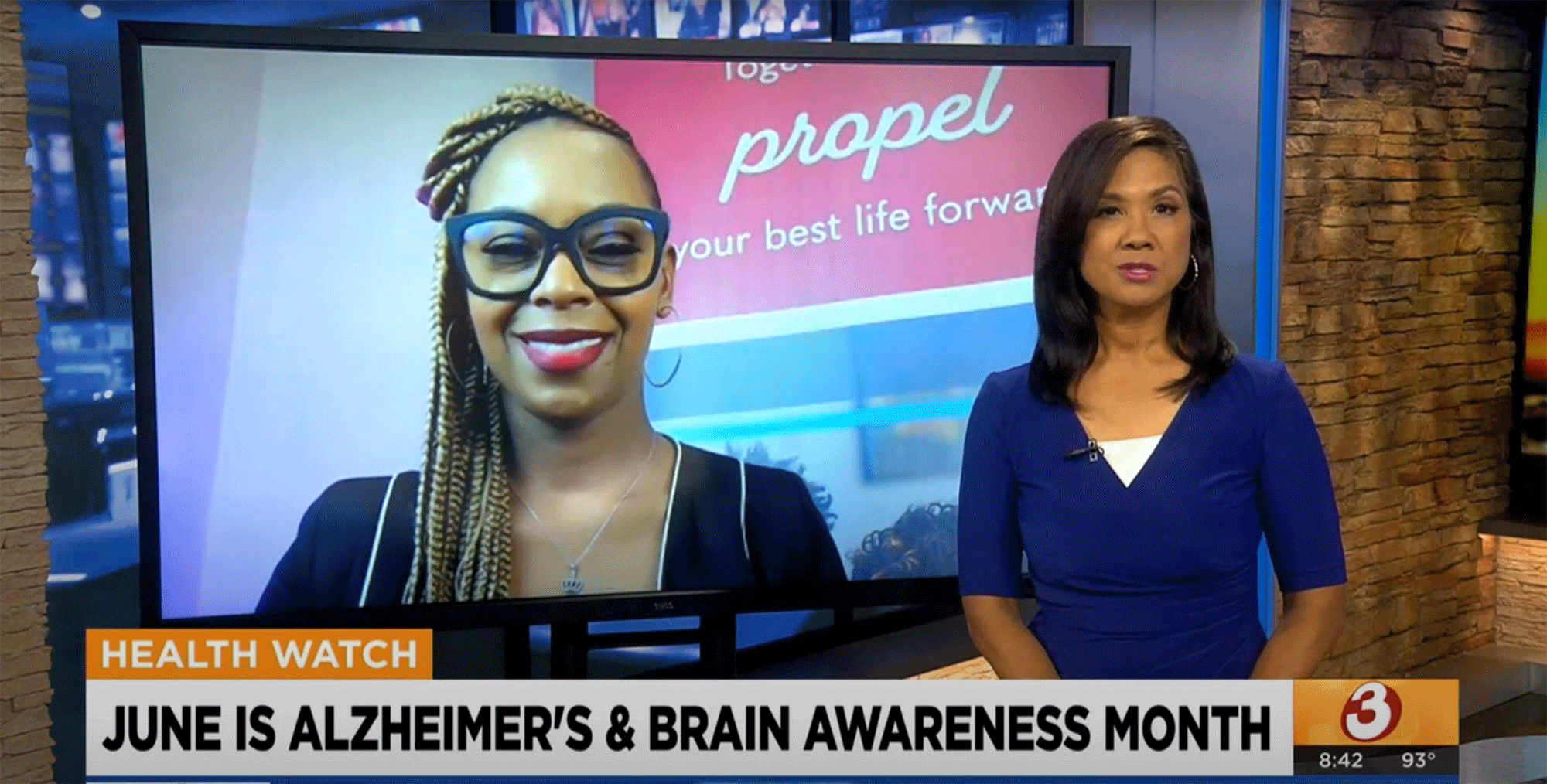
Falls send more than 300,000 people to the hospital each year. SYNERGY HomeCare gerontologist Dr. Macie Smith explains why seniors are more susceptible to falls and what you can do to prevent them. Watch the Video: Video Transcription: Did you know that falls send more than 300,000 people to the hospital every year? Older adults…
READ MORERelated Articles
READ MOREWhat to Expect As Your Loved One Ages: Preventing Falls
By Dr. Macie Smith Part of aging is recognizing that when it comes to falls, we may not get up like we used to. We have less muscle mass, so we aren’t as strong. Our proprioceptors—the neurons in our muscles, tendons and ligaments that help us stay balanced—don’t work as well. We may take medications…
READ MORE