

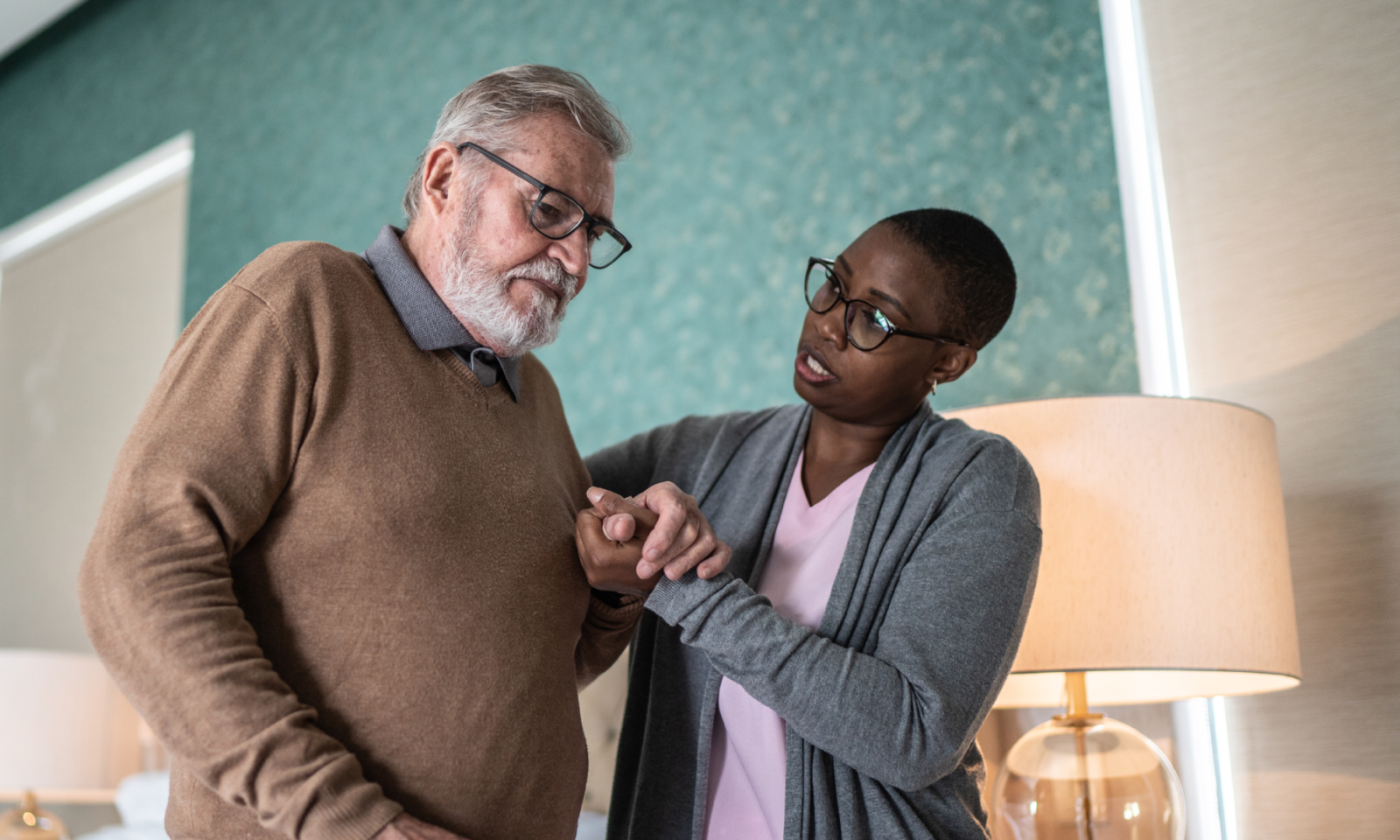
Every year, nearly 100,000 Americans are diagnosed with Parkinson’s Disease. For some reason, the condition doesn’t receive the attention it deserves if we want to make a real difference in bettering the lives of people living with Parkinson’s. Actor Michael J. Fox, who has been living with the disease since 1991, recently announced his latest…
READ MORECategory: Alzheimer’s & Dementia



READ MORENew Alzheimer’s Disease Study
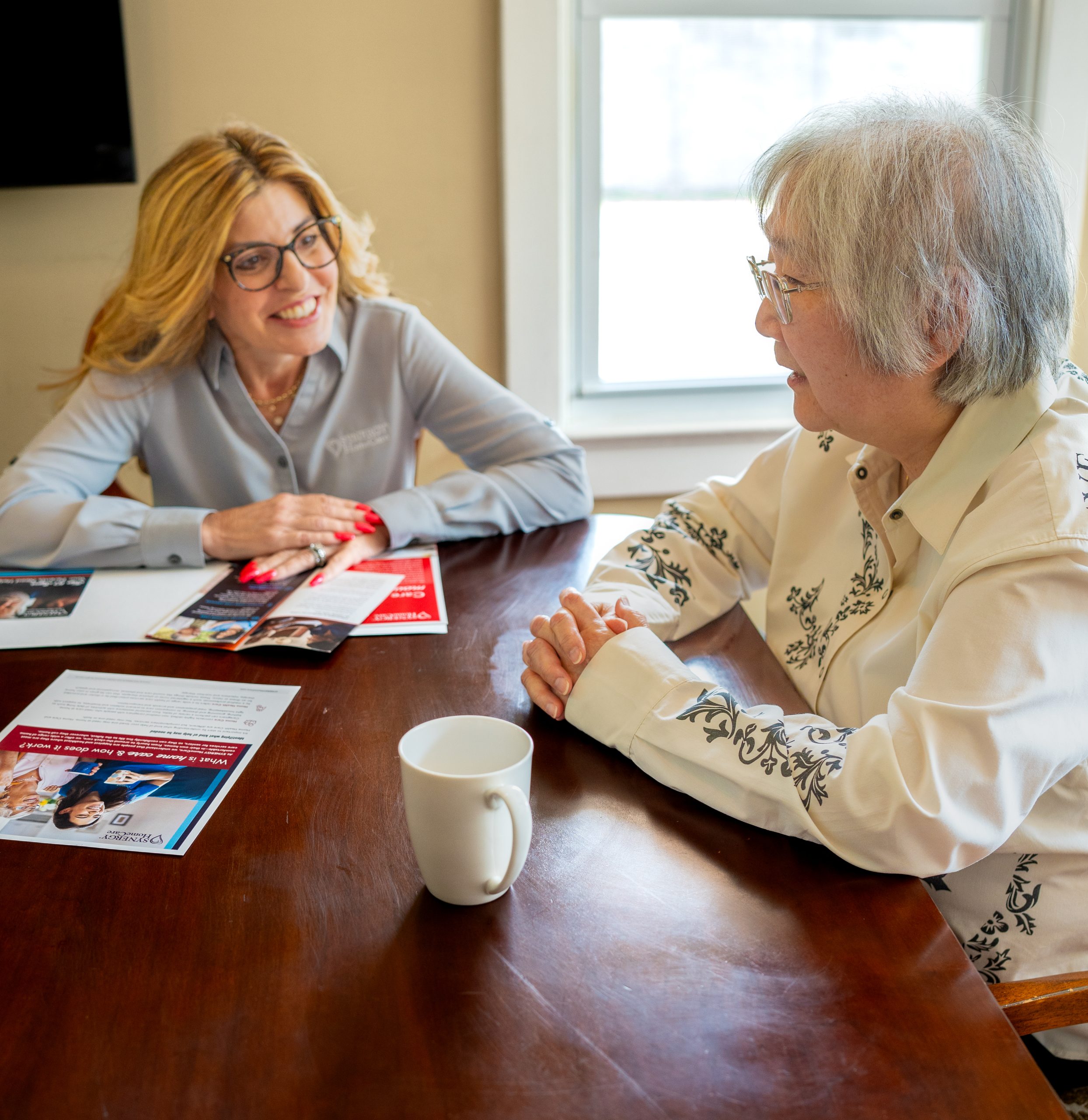
Alzheimer’s disease affects over 6 million older adults in the United States. A recent report from the Alzheimer’s Association maps out where those living with Alzheimer’s reside throughout the US. The new Alzheimer’s study, which was released in the Association’s Alzheimer’s and Dementia Journal, reveals a greater prevalence of Alzheimer’s in the East and Southeast…
READ MORERelated Articles



READ MOREHappy National Senior Citizens Day: Recognizing A Loved One
According to the U.S. Census Bureau, approximately 78 million people aged 65 and older will reside in America by 2035. This figure will surpass the number of the population under the age of 18 for the first time in the nation’s history. Where did Senior Citizens Day come from? Honoring our older generations in an…
READ MORERelated Articles

READ MOREAnnual Memory Screening: Detect Cognitive Decline Early
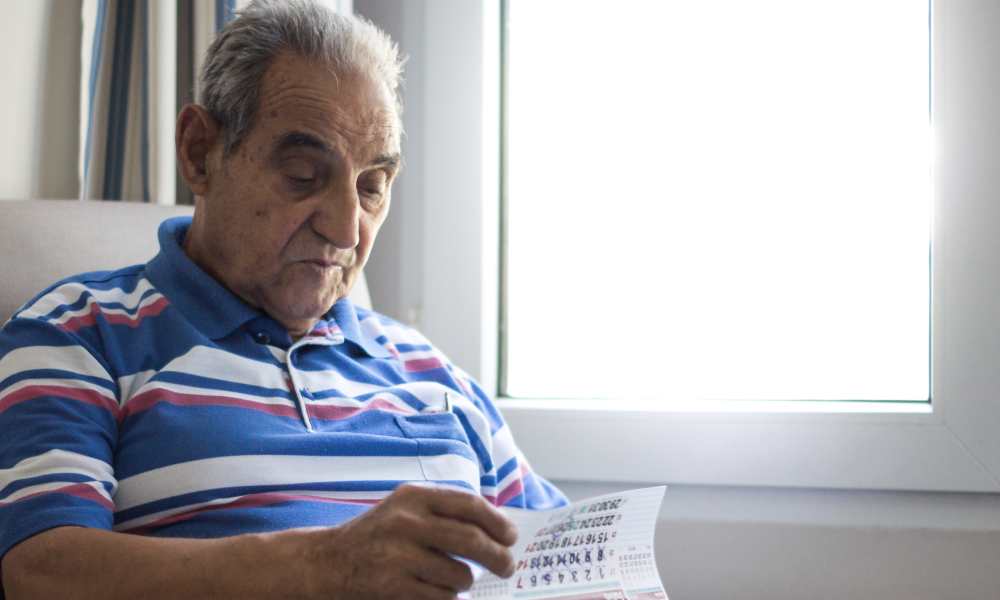
Protect Your Brain Health with a Quick Memory Check It only takes 10–15 minutes to stay ahead of a life-changing diagnosis. Memory loss is one of the most common issues for adults over 60. According to the Alzheimer’s Foundation of America (AFA), annual memory screenings are essential for early detection. Why Memory Screening Matters •…
READ MORERelated Articles

READ MORETop Signs of Sundowner’s Dementia for Caregivers
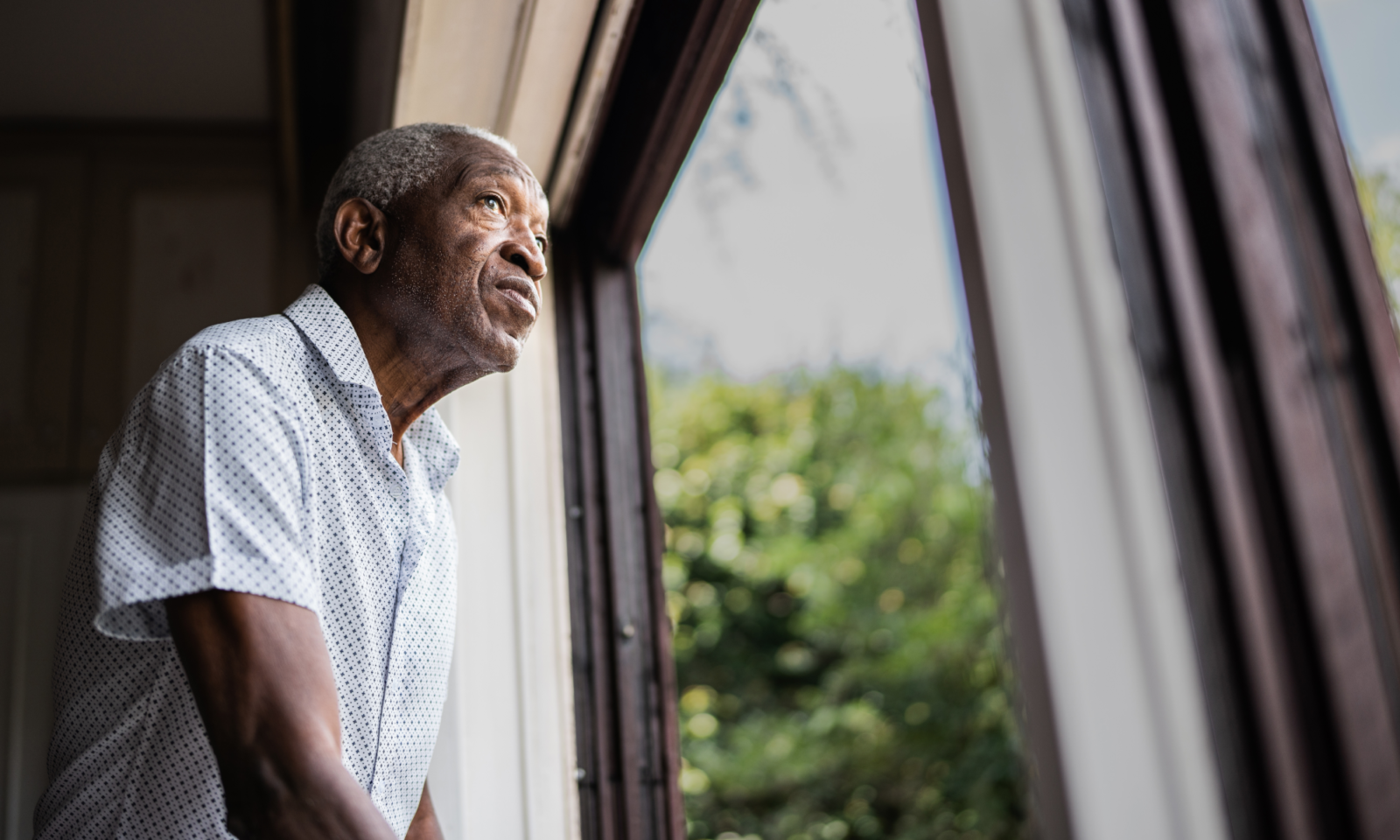
As we age, our bodies and minds undergo numerous changes. One intriguing phenomenon that affects older adults, particularly those with dementia, is the sundown effect or sundowner’s dementia. Also known as sundowning or late-day confusion, this condition refers to a noticeable pattern of increased agitation, restlessness, and confusion experienced by older adults during the late…
READ MORERelated Articles
READ MOREClient Story: Remembering What’s Important When A Loved One Has Dementia
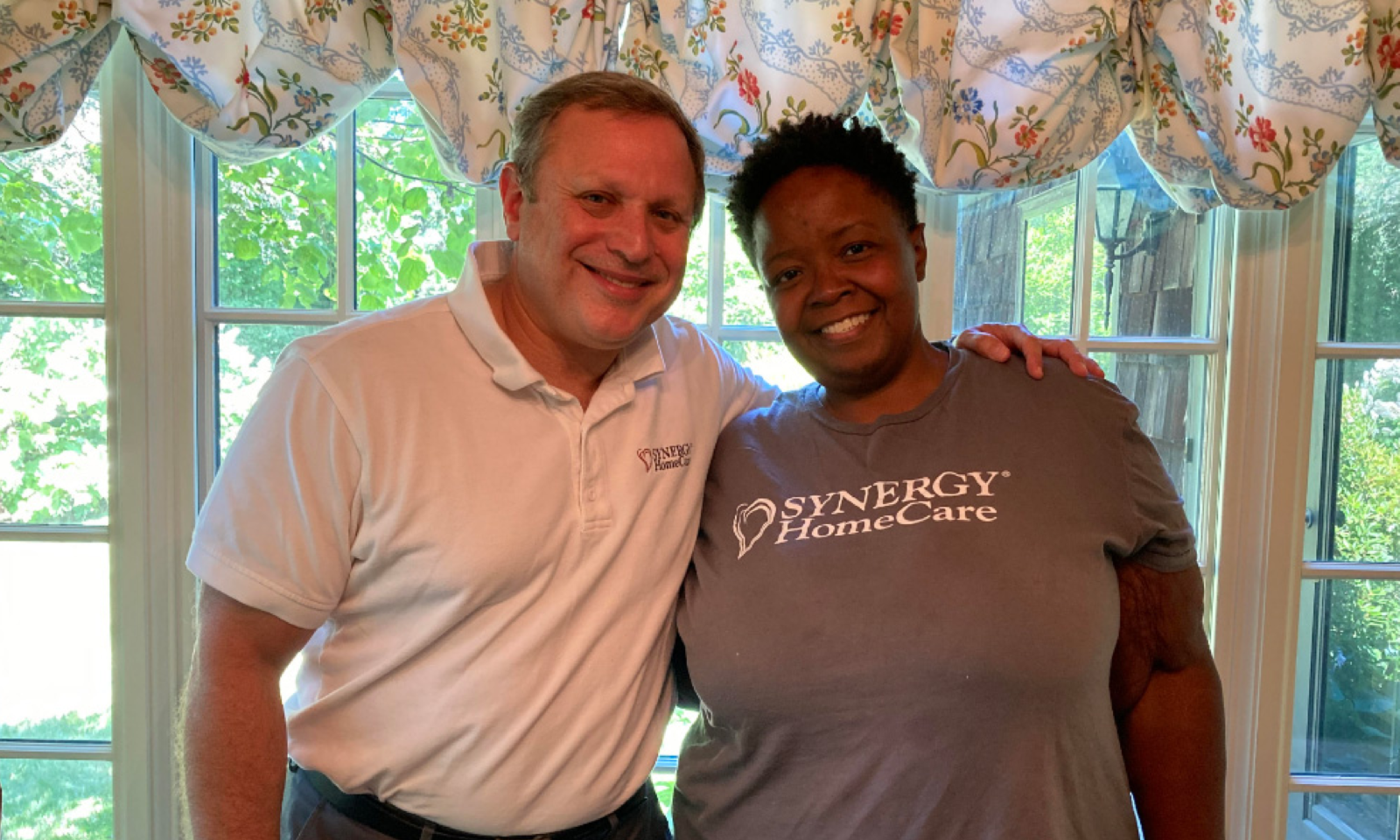
As a franchise owner, Ron Schulman’s SYNERGY HomeCare company had been open only a short time when a geriatric care manager referred Mr. and Mrs. Z to Ron. The couple had planned to stay in their home as they aged and had made the appropriate arrangements with a financial advisor and a power of attorney,…
READ MORERelated Articles
READ MORECaring For Someone with Dementia At Home
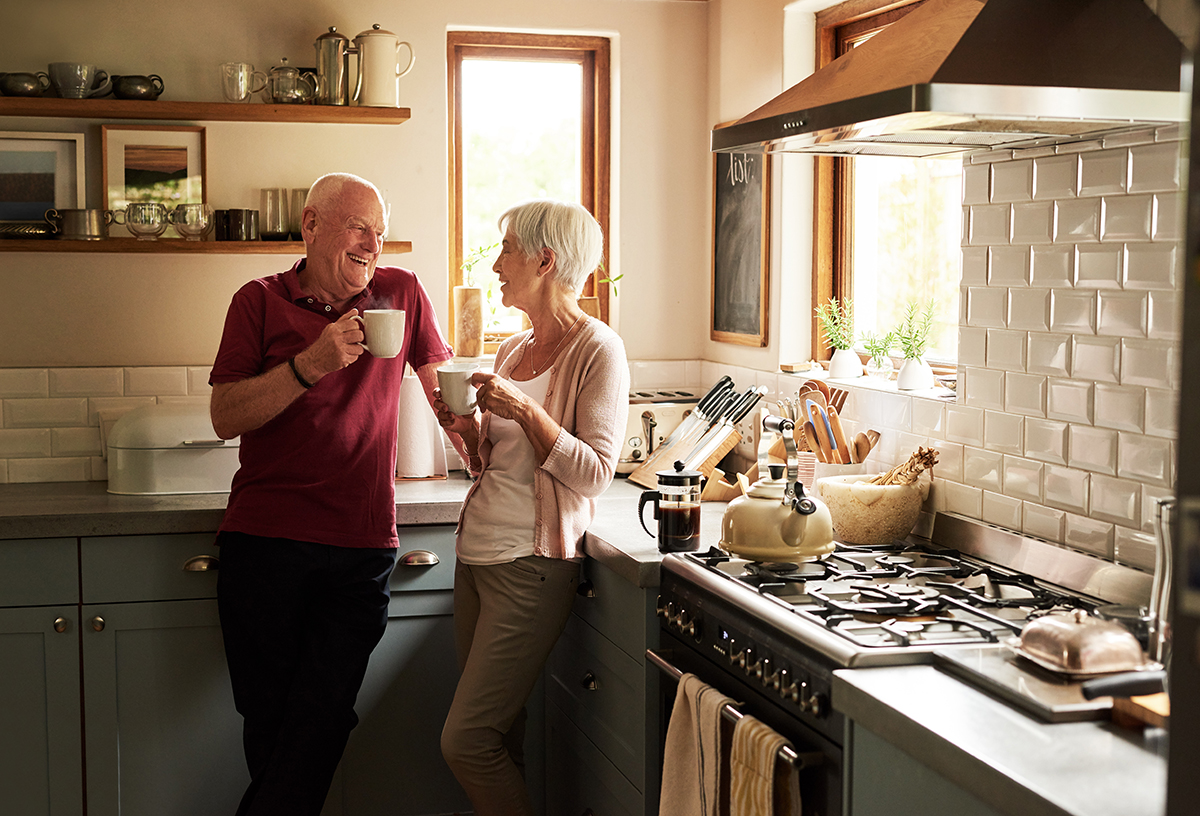
Do you have a loved one diagnosed with dementia? When caring for someone with dementia at home, there are ways to create a safe and familiar home environment. Implementing appropriate and sensitive home safety measures can ensure that an individual living with Alzheimer’s Disease or related dementias can continue to remain in the familiar surroundings…
READ MORERelated Articles



READ MOREIn-Home Respite Care for Dementia: How Family Caregivers Can Care for Loved Ones
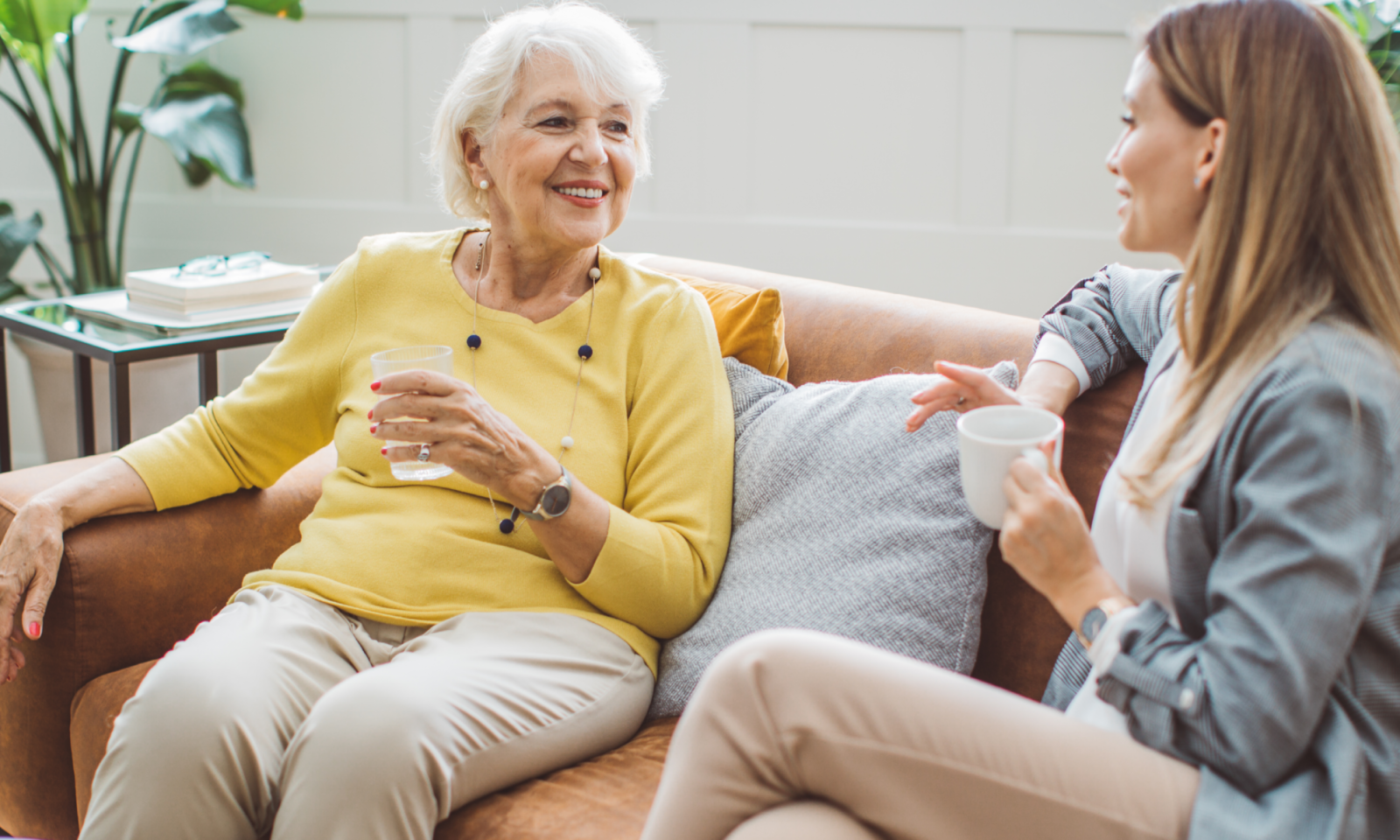
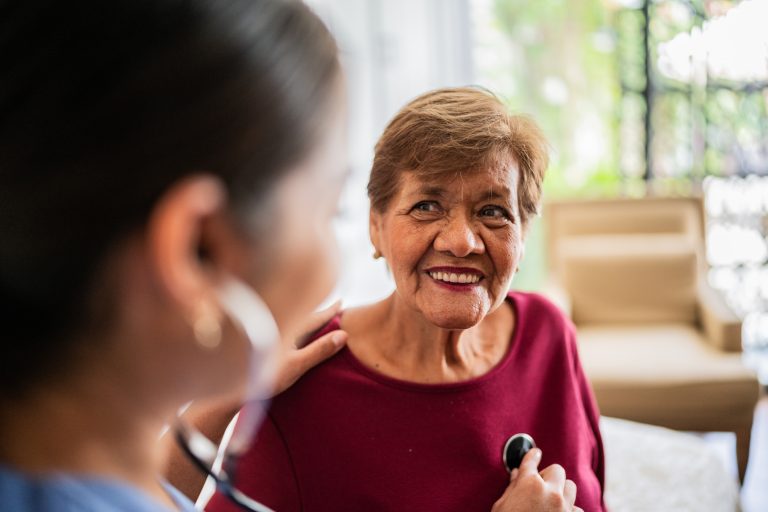
According to the CDC, roughly 25% of all Americans aged 45-64 provide unpaid care for a loved one or family member. While caring for others can be a rewarding experience, it can also be a demanding responsibility that can easily overwhelm members of the sandwich generation, especially if their loved one is dealing with a…
READ MORERelated Articles
READ MORE8 Ways to Hold the Line on Memory Loss

Having a good memory is essential for a fulfilling and productive life. It allows us to remember important events, learn new things and make important decisions. However, as we age, our memory tends to decline and that’s down to basic brain biology. Changes in brain structures such as decreased volumes in the hippocampal, frontal lobe…
READ MORERelated Articles
READ MORE20 Ways to Practice Person-Centered In-Home Dementia Care

SYNERGY HomeCare’s in-home dementia care or memory care program stands out in that we provide person-centered care to those living with Alzheimer’s or other dementia-related conditions. That means we focus on the individual person—not the condition. Person-centered care supports the unique needs of the person receiving care so that they can take part in the…
READ MORE
