READ MOREFrom Symptoms to Care for Parkinson’s Disease


parkinsons

April is Parkinson’s Awareness Month. Commonly known for its movement or motor-related symptoms, such as tremors, abnormally slow movements, shaking or lack of facial expression, involuntary movements, or freezing, Parkinson’s disease also has non-motor symptoms like apathy, depression, sleep behavior disorders, loss of sense of smell and cognitive impairment.  Symptoms generally develop slowly over years…

READ MORE

READ MORESelf-care for living with chronic illness


Self-care

It can be quite a blow when diagnosed with a chronic disease such as Parkinson’s, Alzheimer’s, diabetes, cancer, arthritis, etc. Know that it’s normal to experience a range of emotions in the wake of your diagnosis but know that you can live a fulfilling life. After the shock of your diagnosis and the rollercoaster of…

READ MORE

READ MORECaring for Myself While Caring for My Aging Parents


Caring for yourself while caring for aging parents

During Disability Awareness Month it’s an opportunity to shine lights on the Sandwich Generation that is faced with the biggest juggling act of their lives. In addition to caring for their spouses, children, careers and own selves, they’ve taken on caring for their aging, often disabled, parents. Whether the parents are living with their adult…

READ MORE

READ MOREHow Social Workers Complement In-Home Care


Four smiling people sitting on couch with social worker with caregiver to her right talking to client and her adult son

When a loved one has a life changing event affecting their health or mobility, for example, often a social worker is whom the family contacts first for direction on how to best care for their loved one. Social workers work with clients to assess their needs and help them access services and resources that help…

READ MORE

READ MORETechnology for Aging in Place


Image of happy seniors discussing the best technology for aging in place.

New technology can make it easier to communicate, remember things, and get around safely. 
Most adults over age 50 say they’d like to “age in place”—that is, safely grow older in the comfort of their own homes rather than in an assisted living facility. There are multiple benefits to aging in place: it is often more cost-effective, allows you to keep your long-time social connections, doctors, and other service providers, and provides more independence.

READ MORE

READ MOREShould you hire a home care agency or a private caregiver?


man and woman discussing an issue while sitting at a table

One of the hardest moments for an adult son or daughter is realizing an aging parent needs help with daily living. The signs are obvious: a once meticulous home becomes untidy, they wear the same clothes almost every day, new dents in their car, the refrigerator has little food inside, poor personal hygiene goes by the wayside. And sadly the list goes on.

READ MORE

READ MORESigns and Symptoms of Malnutrition in Seniors


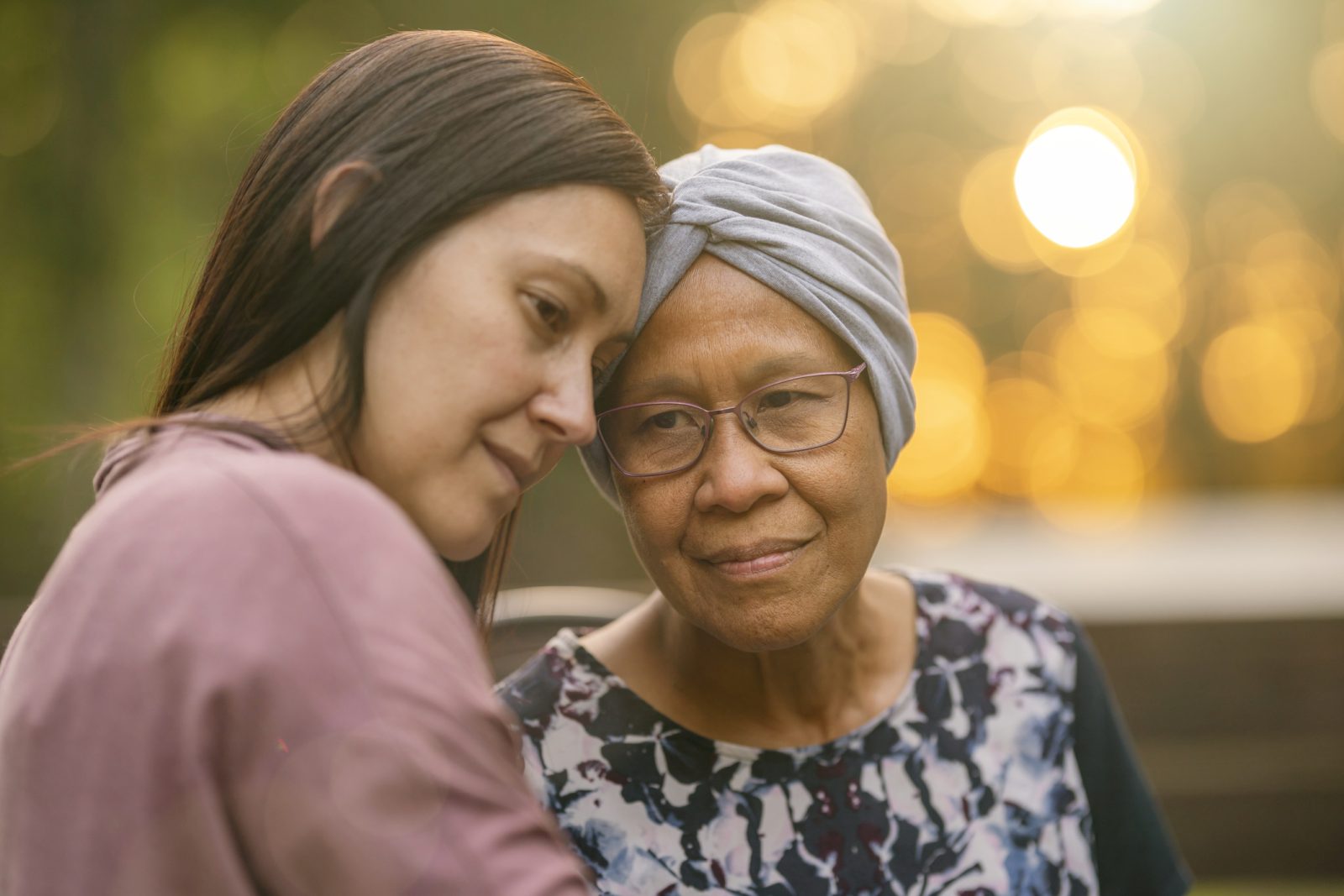
A senior woman with cancer smiles softly with a contemplative expression as her adult daughter embraces and comforts her.

Your mom was always the one who made sure you didn’t skip meals, ate all your vegetables and limited your intake of sweets. Now that’s she’s older, you may need to start doing the same for her.

READ MORE
logo