One of the most common questions families ask after a dementia diagnosis is how long their loved one can continue living safely at home. While every situation is unique, many seniors with dementia are able to remain in familiar surroundings for years with the right support system in place.
For families in Naples, understanding the factors that influence a person’s ability to live at home can help with planning and decision-making. At SYNERGY HomeCare of Naples, we provide personalized dementia care that helps seniors maintain comfort, dignity, and independence for as long as possible.
There Is No Universal Timeline
Dementia progresses differently for every individual. Some people experience gradual changes over many years, while others may see symptoms advance more quickly.
The ability to remain at home depends on several factors, including:
- Overall health
- Type of dementia
- Stage of cognitive decline
- Physical mobility
- Home environment
- Availability of family support
- Professional caregiving assistance
Because every situation is different, there is no specific timeframe that applies to everyone.
Many Seniors Remain at Home for Years
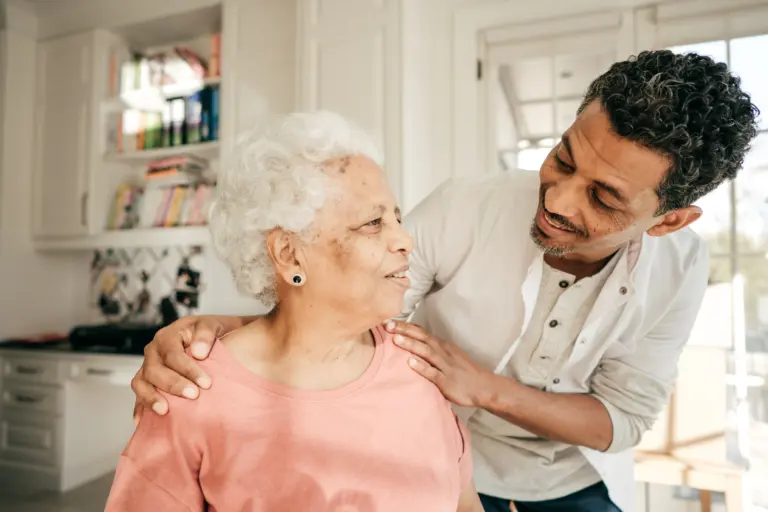
A dementia diagnosis does not automatically mean a senior needs to leave their home. In fact, many individuals continue living safely at home throughout the early and middle stages of dementia.
Remaining at home often provides important benefits such as:
- Familiar surroundings
- Established routines
- Greater comfort
- Reduced confusion
- Stronger emotional well-being
For many seniors, staying in a familiar environment helps maintain a sense of stability as cognitive changes occur.
Factors That Affect How Long Someone Can Stay at Home
Several factors influence whether a person with dementia can continue living at home safely.
Safety
Safety is often the most important consideration. Families should evaluate whether their loved one can safely navigate daily life without significant risk.
Common concerns include:
- Wandering
- Falls
- Leaving appliances on
- Medication mistakes
- Difficulty responding to emergencies
As safety concerns increase, additional support may become necessary.
Daily Living Activities
Many seniors with dementia eventually need assistance with everyday tasks.
This may include help with:
- Bathing
- Dressing
- Grooming
- Meal preparation
- Household tasks
- Transportation
The more support available, the longer many seniors can continue living comfortably at home.
Family Support
Family caregivers often play a major role in helping a loved one remain at home. However, caregiving responsibilities can become increasingly demanding as dementia progresses.
When family members have access to professional support, it often becomes easier to maintain a safe and sustainable home environment.
How Home Care Can Extend Time at Home
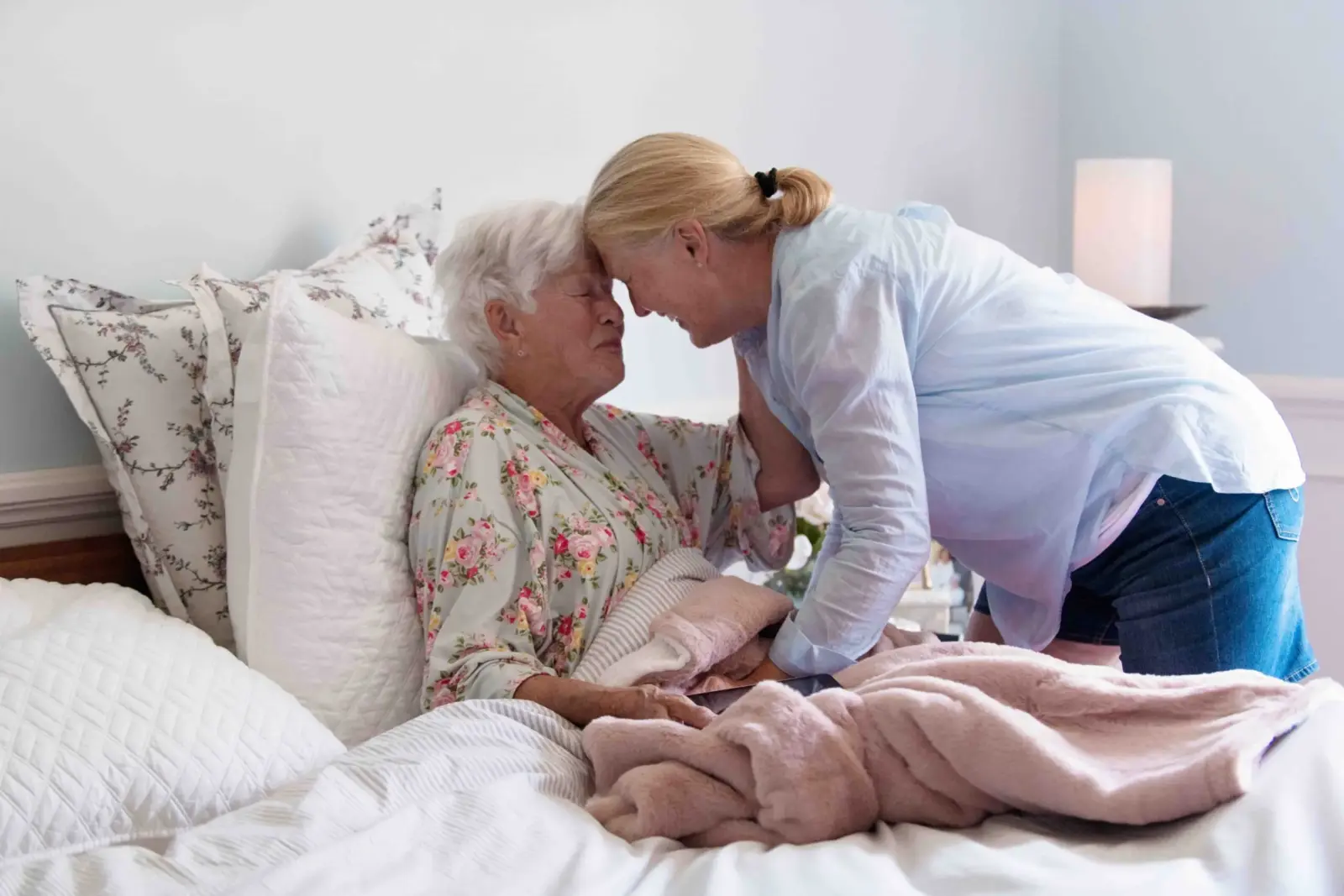
Professional home care can make a significant difference in helping seniors with dementia remain in familiar surroundings.
Caregivers can assist with:
- Medication reminders
- Personal care support
- Meal preparation
- Companionship
- Daily routines
- Safety supervision
- Transportation assistance
This support helps address challenges before they become larger concerns.
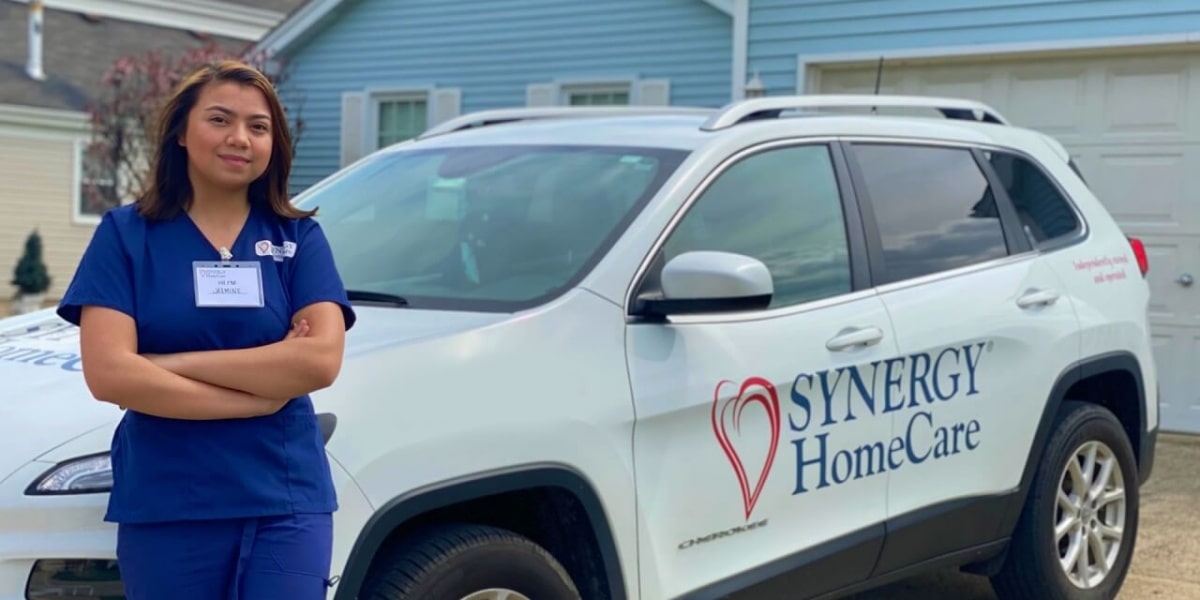
At SYNERGY HomeCare of Naples, we create personalized care plans that adapt as needs change, helping seniors continue living at home with confidence and comfort.
Signs Additional Care May Be Needed
Even with strong support, there may come a point when living at home becomes more difficult.
Families should monitor for signs such as:
- Frequent wandering
- Repeated falls
- Significant confusion
- Inability to complete daily tasks
- Increased medical complications
- Caregiver burnout
Recognizing these signs early allows families to make informed decisions rather than reacting during a crisis.
The Benefits of Planning Ahead
One of the best things families can do is begin planning before major challenges arise.
Early planning allows families to:
- Explore care options
- Understand available resources
- Establish support systems
- Reduce future stress
- Make thoughtful decisions together
A proactive approach often leads to better outcomes for both seniors and their loved ones.
Personalized Dementia Care in Naples
The length of time a person with dementia can live at home depends on their individual needs, support system, and overall safety. With the right care in place, many seniors can remain in familiar surroundings longer than families initially expect.
At SYNERGY HomeCare of Naples, we understand that every dementia journey is different. Our caregivers provide compassionate, personalized dementia care that helps seniors stay engaged, comfortable, and safe at home while giving families valuable peace of mind. We are committed to delivering care that adapts to changing needs and supports fuller lives.
Call us today on 239-799-5898 to schedule a free in-home consultation and learn how our dementia care services can support your loved one.
Frequently Asked Questions
How long can someone with dementia live at home?
There is no set timeframe. Many seniors live safely at home for years with the appropriate support, supervision, and care.
Can home care help someone with dementia stay at home longer?
Yes. Professional home care can provide assistance with daily activities, routines, safety monitoring, and companionship, which may help seniors remain at home longer.
What stage of dementia usually requires more care?
As dementia progresses into the middle and later stages, individuals often require more assistance with personal care, safety, and daily living activities.
When should families consider additional support?
Families should consider support when safety concerns arise, daily tasks become difficult, or caregiving responsibilities become overwhelming.
Does SYNERGY HomeCare of Naples provide dementia care?
Yes. SYNERGY HomeCare of Naples offers personalized dementia care services designed to support seniors and their families throughout every stage of the care journey.
Can care plans change as dementia progresses?
Absolutely. Care plans are customized and can be adjusted as needs evolve over time to ensure the right level of support.