Few moments are more frightening than realizing a loved one with dementia is missing. Confusion and memory changes can make it difficult for them to find their way home or explain where they are. For families in Naples, understanding Florida’s Silver Alert system can help you know what to do if this situation occurs.
Florida’s Silver Alert Plan helps law enforcement and the public locate certain missing people with an irreversible deterioration of intellectual faculties, including Alzheimer’s disease or dementia.
What Is a Florida Silver Alert?
Florida has Local and State Silver Alerts. Local Silver Alerts are coordinated by local law enforcement. If certain additional requirements are met, law enforcement may request a State Silver Alert, which can include information displayed on highway message signs.
For a Local Silver Alert, Florida Department of Law Enforcement guidance includes criteria such as:
- The missing person is 60 or older, or is 18 to 59 under specified circumstances involving capacity
- The person has an irreversible deterioration of intellectual faculties, such as Alzheimer’s disease or dementia, verified by law enforcement
- Law enforcement determines through its preliminary investigation that the disappearance poses a credible threat to the person’s welfare and safety
Local agencies may have their own policies and requirements.
When Does a State Silver Alert Apply?
Families may associate Silver Alerts with the messages they see on Florida highways. However, those signs are part of the State Silver Alert process and have additional criteria.
For a State Silver Alert, the person must meet the applicable age and cognitive criteria and be traveling in a motor vehicle. Law enforcement also needs identified vehicle information, such as a license plate number or other vehicle details. A Local Silver Alert must first have been activated.
This distinction is important. A loved one does not necessarily have to be traveling in a vehicle for local law enforcement to take action or consider a Local Silver Alert.
What Should You Do if a Loved One With Dementia Goes Missing?
If you realize a loved one with dementia is missing, contact the local law enforcement agency where the person was last seen immediately. You do not need to determine for yourself whether the situation meets Silver Alert criteria. Law enforcement will take the report, investigate, and determine whether an alert is appropriate. Only law enforcement can request activation of a State Silver Alert.
When speaking with law enforcement, provide as much useful information as you can, including:
- Your loved one’s name and physical description
- A recent photograph
- What they were wearing
- Where and when they were last seen
- Information about their dementia or Alzheimer’s disease
- Places they may try to visit
- Vehicle make, model, color, and license plate information, if applicable
Florida officials specifically advise families to tell law enforcement when there is reason to believe the missing person has dementia.
Prepare Important Information Before It Is Needed
Thinking about a loved one becoming lost can be upsetting. Preparing for that possibility does not mean you expect it to happen. It simply gives you useful information to reach for during a stressful moment.
Consider keeping an easily accessible record with a current photograph, physical description, emergency contacts, medical information relevant to their dementia, and vehicle details.
Families can review this information periodically so it remains current. If several relatives help with dementia care, make sure they know where it is stored.
Having these details organized can remove one additional source of stress if you ever need to report your loved one missing.
Pay Attention to Changes in Daily Routines
Dementia affects every person differently. As needs change, families may notice new difficulties with familiar places, established routines, or activities.
Rather than waiting for a frightening incident, pay attention when your loved one begins showing greater confusion about where they are or where they intended to go. Changes like these may be a reason to reconsider how much support they need during certain parts of the day.
A personalized dementia care plan can evolve as circumstances change. The goal is not to remove independence unnecessarily. It is to provide appropriate support while respecting the person’s routines, preferences, dignity, and comfort.
How Companion Home Care Can Provide Consistency
Families cannot always be present throughout the day. Work, children, appointments, and other responsibilities can make constant companionship unrealistic, even when a loved one increasingly benefits from having someone nearby.
Companion home care can provide a consistent presence at home. A caregiver may spend time talking with your loved one, prepare meals, assist with familiar activities, provide medication reminders, run errands, or help maintain established routines.
For some Naples families, companion care can also provide reassurance during times when a loved one might otherwise spend extended periods alone.
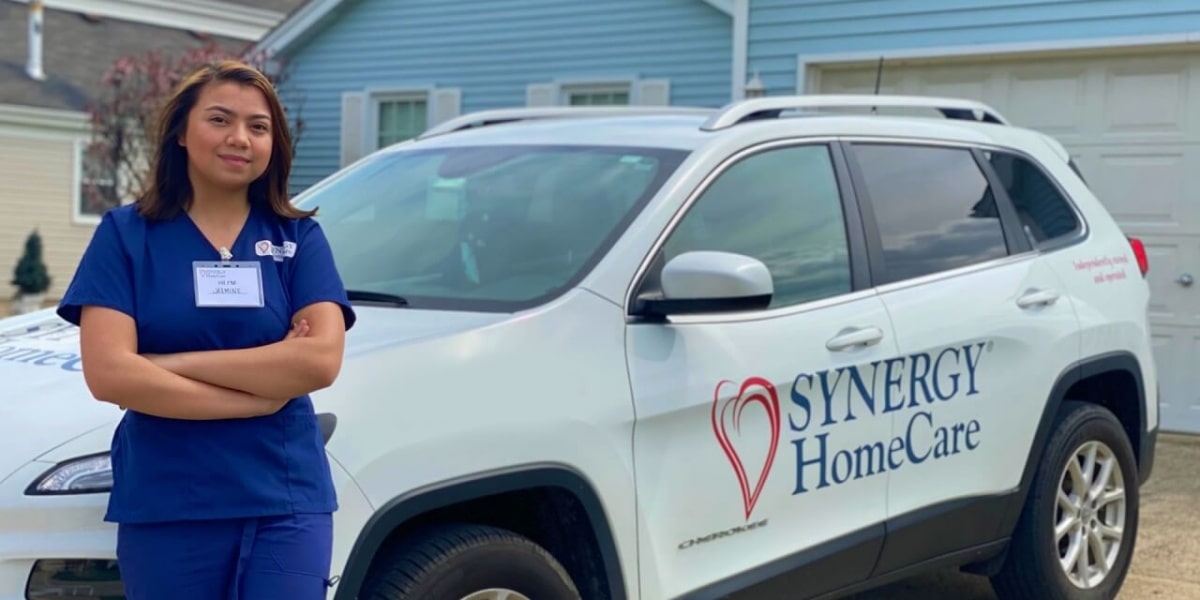
At SYNERGY HomeCare of Naples, dementia care is personalized around the person rather than approached as a standard checklist. As needs change, families can discuss whether additional non-medical in-home support would be helpful.
When Worry Starts to Feel Like Guilt
Caring for someone with dementia can leave families feeling constantly alert. You may worry whenever you leave the house or feel guilty because you cannot be with your loved one every hour of the day.
Living with that level of responsibility can be exhausting.
Needing another person to help does not diminish your place in your loved one’s life. Additional support can give you time to work, rest, care for other family members, or simply spend time with your loved one without always being responsible for every practical need.
You are still their family. A caregiver can become another source of consistent support around the care and connection you already provide.
Dementia Support for Naples Families
Knowing how Florida Silver Alerts work is one part of being prepared when a loved one is living with dementia. It can also be helpful to think about changing care needs before your family reaches a crisis.
SYNERGY HomeCare of Naples provides quality, consistent, private, and discreet dementia care, companion care, respite care, personal care, evening care, and other non-medical in-home support.
If changes in memory or daily routines are leaving you concerned about your loved one spending time alone, we are here to listen. A conversation about care can simply be an opportunity to understand what additional support might make everyday life more comfortable for your family.
Call SYNERGY HomeCare of Naples at (239) 799-5898 to schedule a free in-home consultation and discuss personalized dementia care in Naples.
Frequently Asked Questions
What is a Silver Alert in Florida?❯
A Florida Silver Alert is part of a coordinated system designed to help locate certain missing people with an irreversible deterioration of intellectual faculties, including Alzheimer’s disease or dementia. Florida uses both Local and State Silver Alerts.
Who can activate a Florida Silver Alert?❯
Law enforcement determines whether a missing person meets the applicable criteria. Only law enforcement agencies can request activation of a State Silver Alert. Families should contact the local law enforcement agency where their loved one was last seen immediately.
Does someone have to be driving for a Silver Alert?❯
Not necessarily. Local Silver Alert guidance can apply when a person is missing on foot or in an unidentified vehicle. A State Silver Alert involving highway message signs requires identified vehicle information and other criteria to be met.
Should I wait before reporting a loved one with dementia missing?❯
Florida officials instruct families to contact the local law enforcement agency immediately when someone is missing. Law enforcement will determine whether a Silver Alert is appropriate.
How do I handle the guilt of not being able to watch my loved one constantly?❯
Caring for someone with dementia can create an enormous sense of responsibility. You cannot realistically be everywhere at every moment. Asking family members for help or considering professional in-home care can provide additional support without replacing the important role you have in your loved one’s life.
How can SYNERGY HomeCare of Naples support a person with dementia?❯
SYNERGY HomeCare of Naples provides personalized, non-medical dementia and companion care that can include companionship, personal care, medication reminders, meal preparation, respite care, and help maintaining familiar routines at home.