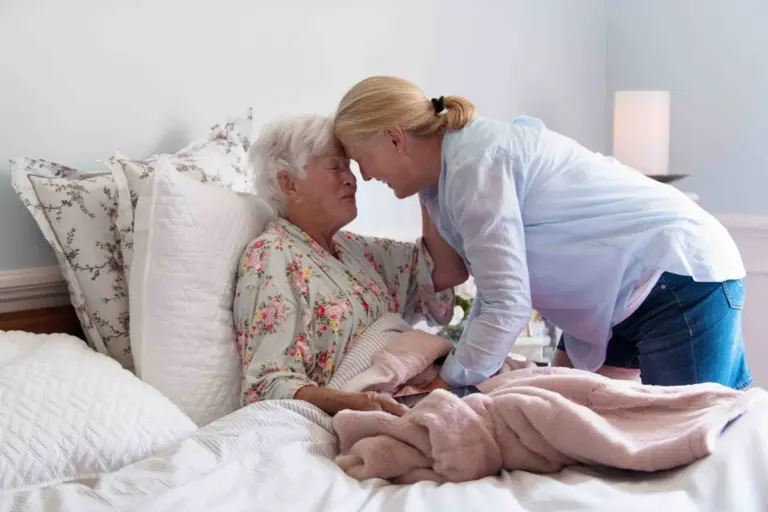
Families caring for a loved one with dementia often wonder what types of support are available as the condition progresses. One question that frequently arises is whether dementia patients can receive palliative care.
The answer is yes. Palliative care can be an important resource for individuals living with dementia, helping improve comfort, quality of life, and overall well-being. For families in Naples, understanding how palliative care works can help them make informed decisions about their loved one’s care journey.
At SYNERGY HomeCare of Naples, we understand the challenges dementia can bring and provide personalized support that helps seniors remain comfortable and supported at home.
What Is Palliative Care?
Palliative care focuses on improving quality of life for individuals living with serious or chronic illnesses. The goal is to help manage symptoms, provide comfort, and support both patients and their families.
Unlike hospice care, palliative care is not limited to end-of-life situations. It can be provided at any stage of a serious illness, including dementia.
Palliative care often focuses on:
- Physical comfort
- Emotional support
- Symptom management
- Family education
- Coordination of care
This approach helps individuals maintain the highest possible quality of life throughout their care journey.
Can Dementia Patients Benefit from Palliative Care?
Yes. Dementia patients can benefit from palliative care at various stages of the condition.
As dementia progresses, individuals may experience challenges such as:
- Anxiety or confusion
- Sleep disturbances
- Changes in appetite
- Mobility limitations
- Difficulty communicating needs
- Increased dependence on others
Palliative care helps address these concerns while supporting the person’s overall comfort and dignity.
Understanding the Difference Between Palliative Care and Hospice
Many families confuse palliative care with hospice care, but they are not the same.
Palliative care:
- Can begin at any stage of dementia
- May be provided alongside other treatments
- Focuses on comfort and quality of life
- Supports both patients and families
Hospice care:
- Is generally intended for individuals nearing the end of life
- Focuses entirely on comfort rather than curative treatment
- Provides comprehensive support during the final stages of illness
Understanding this distinction can help families explore appropriate care options sooner.
How Home Care Complements Palliative Care
Many seniors receiving palliative care continue living at home. Professional caregivers can provide valuable day-to-day support that complements a broader care plan.
Caregivers may assist with:
- Personal care
- Meal preparation
- Medication reminders
- Mobility assistance
- Companionship
- Daily routines
- Family respite
This support helps create a more comfortable environment while allowing seniors to remain in familiar surroundings.
Emotional Support for Families
Dementia affects entire families, not just the person receiving care. As needs change, family members often experience stress, uncertainty, and emotional exhaustion.
Palliative care recognizes the importance of supporting caregivers as well.
Benefits for families may include:
- Education about dementia progression
- Guidance on care decisions
- Emotional support
- Better communication among care providers
- Reduced caregiver stress
Having a strong support system can make a significant difference during difficult periods.
Comfort and Quality of Life Remain the Priority
One of the most important aspects of palliative care is its focus on comfort. Rather than concentrating solely on medical needs, care is centered around the individual’s overall well-being.
This may include:
- Managing discomfort
- Supporting emotional health
- Encouraging meaningful activities
- Maintaining routines
- Preserving dignity and independence whenever possible
For many families, this holistic approach provides reassurance and peace of mind.
Personalized Dementia Support in Naples
Every dementia journey is unique. Some individuals may benefit from palliative care early in the disease process, while others may explore these services later as needs become more complex.
At SYNERGY HomeCare of Naples, we provide compassionate, personalized dementia care that adapts to each client’s changing needs. Our caregivers work closely with families to support comfort, safety, and quality of life while helping seniors remain where they feel most at ease, at home.
Call us today on 239-799-5898 to schedule a free in-home consultation and learn how our dementia care services can support your loved one.
Frequently Asked Questions
Can dementia patients receive palliative care?
Yes. Palliative care is available for individuals living with dementia and can help improve comfort, symptom management, and quality of life.
Is palliative care only for end-of-life situations?
No. Palliative care can begin at any stage of a serious illness and is not limited to end-of-life care.
What is the difference between palliative care and hospice?
Palliative care focuses on comfort and quality of life at any stage of illness, while hospice care is generally intended for individuals nearing the end of life.
Can dementia patients receive palliative care at home?
Yes. Many dementia patients receive palliative care services while continuing to live at home with support from family members and caregivers.
Does SYNERGY HomeCare of Naples provide dementia care?
Yes. SYNERGY HomeCare of Naples provides personalized dementia care services that support seniors and their families through every stage of the care journey.
How can home care support someone receiving palliative care?
Home care can assist with daily activities, companionship, personal care, meal preparation, medication reminders, and overall comfort while helping seniors remain in familiar surroundings.