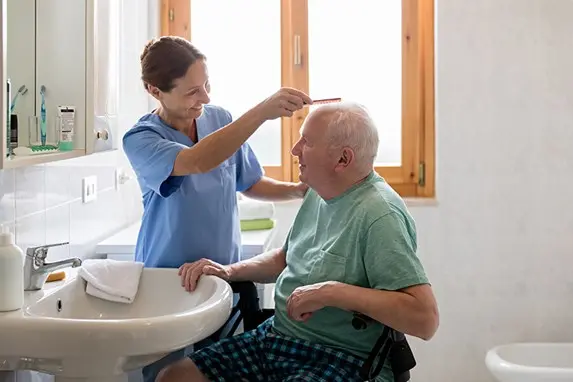
When Robert retired, he looked forward to having more free time.
For a while, retirement felt exactly as he imagined. He spent time fishing, meeting friends for breakfast, and attending community events. But as the years passed, things began to change. Several close friends moved away, others faced health challenges, and driving became less comfortable than it once was.
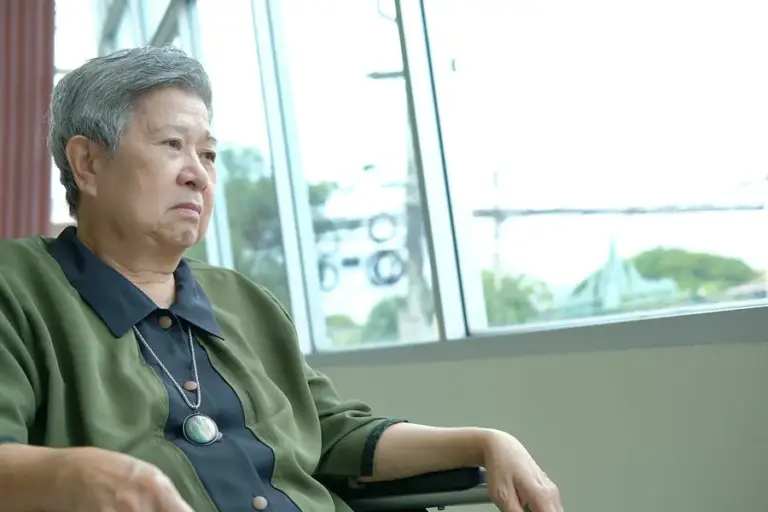
His daughter noticed that Robert was spending more time at home. Activities he once enjoyed became less frequent, and his days seemed increasingly centered around television and short trips to the grocery store.
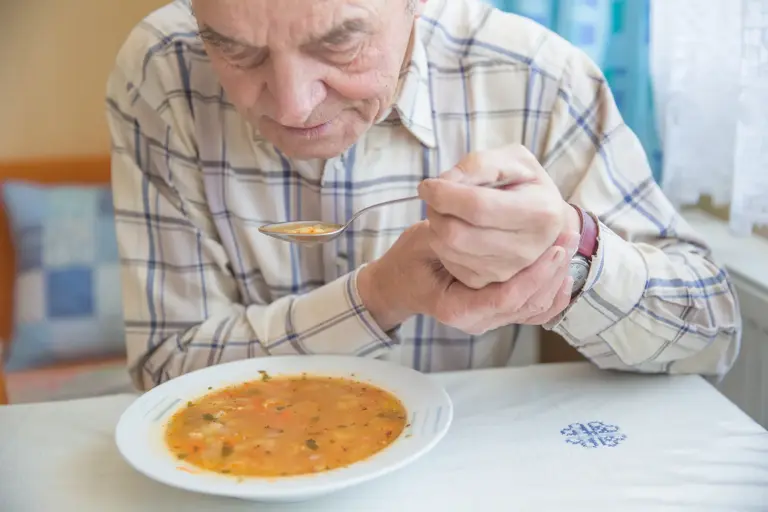
Robert wasn’t in need of extensive assistance. He managed his household, handled his finances, and took care of his personal needs. Yet something important was missing from his daily life: regular opportunities for connection and engagement.
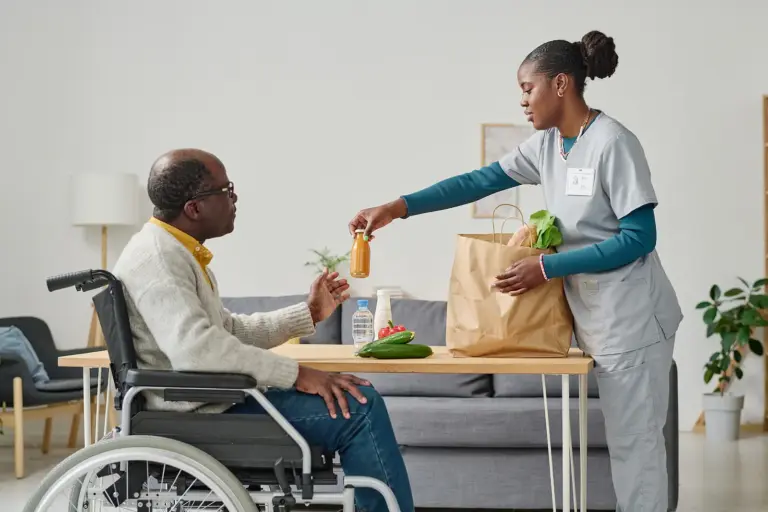
Many seniors experience a similar transition. While they may remain independent, fewer social opportunities can lead to quieter days and reduced participation in activities that once brought purpose and enjoyment. This is where companion care at home can make a meaningful difference.
Staying Active Requires More Than Physical Ability
When families think about staying active, they often focus on physical health. While mobility and strength certainly matter, engagement is equally important.
Many seniors gradually withdraw from activities not because they are physically unable to participate, but because they no longer have someone to share those experiences with.
A favorite hobby may feel less appealing when done alone. Community events may seem less worthwhile without a companion. Even simple outings can become less frequent when motivation declines.
Companion care helps address these challenges by providing encouragement, social interaction, and opportunities for participation.
The Difference Between Being Busy and Being Engaged
A senior’s calendar may appear full of appointments, errands, and responsibilities, yet still lack meaningful engagement.
True engagement often involves activities that provide:
- Enjoyment
- Mental stimulation
- Social interaction
- A sense of accomplishment
- Personal fulfillment
Companionship helps create opportunities for these experiences throughout the week.
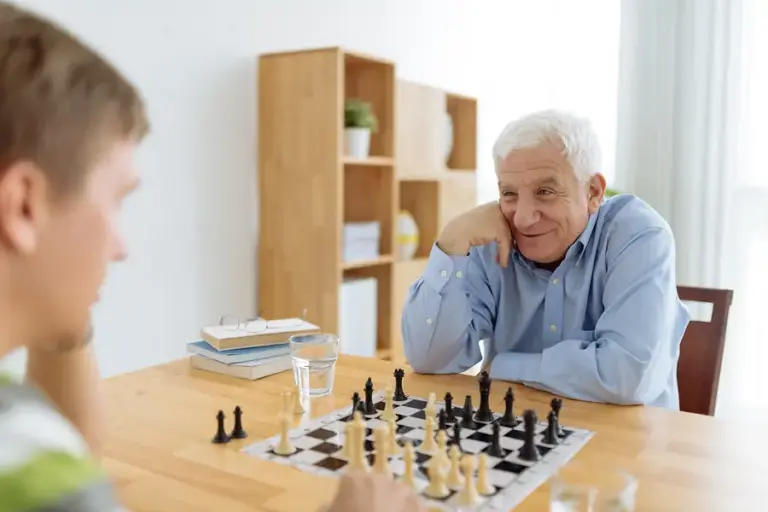
Whether it involves a walk through the neighborhood, working on a puzzle, visiting a local park, or simply sharing stories over coffee, these moments contribute to a richer daily life.
Encouragement Often Makes the Difference
Many older adults become hesitant to try new activities or revisit old interests after spending extended periods alone.
Sometimes all that is needed is a little encouragement.
A companion can help a senior:
- Reconnect with hobbies
- Attend community programs
- Stay involved with favorite pastimes
- Explore new interests
- Maintain daily routines
These activities help keep seniors mentally and emotionally engaged while promoting a greater sense of purpose.
Mental Stimulation Supports Overall Well-Being
Just as physical activity benefits the body, mental activity supports cognitive wellness.
Regular conversation, games, reading, creative projects, and social interaction all provide opportunities to keep the mind active.
Companion care often incorporates activities that naturally encourage mental engagement without feeling structured or clinical.
For many seniors, simply having someone to talk with regularly can provide valuable stimulation and enjoyment.
Helping Seniors Remain Connected to Their Communities
Remaining connected to the outside world is an important part of healthy aging.
However, transportation concerns, mobility limitations, or reduced confidence can make community involvement more difficult.
Companions can help seniors stay connected to the people, places, and activities that matter to them.
This continued engagement often helps older adults maintain a stronger sense of identity and belonging.
Why Families Appreciate Companion Care
Robert’s daughter initially worried about whether her father was becoming lonely.
After several months of companion visits, she noticed positive changes. He talked more enthusiastically about his week, shared stories about activities he had enjoyed, and seemed more interested in making plans.
The support did not change who Robert was. It simply helped him remain connected to the interests and routines that had always been important to him.
Conclusion
Independence is about more than managing daily tasks. It also involves remaining engaged, active, and connected to the people and activities that bring life meaning.
Companion care at home helps seniors maintain those connections by providing encouragement, conversation, and opportunities for meaningful engagement. For many older adults, this support transforms ordinary days into more active, fulfilling experiences that contribute to a higher quality of life.
If you or an aging loved one needs companion care at home in Lone Tree, CO, please contact the caring staff at SYNERGY HomeCare of Parker. 303-953-9924