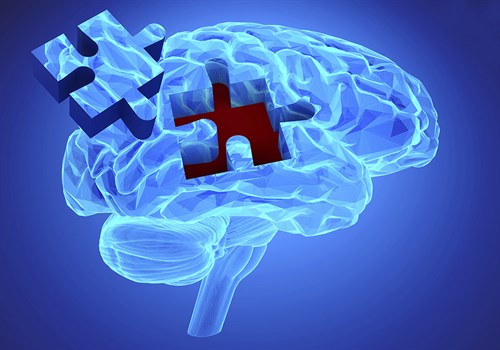
Strokes are among the main causes of disability and mortality globally, particularly in seniors. A stroke happens when the blood flow to a portion of the brain is cut off, depriving brain cells of oxygen and causing major damage. Elder care can help seniors understand the types of strokes and the most effective prevention methods. This knowledge may lower their risk and help them live a healthier lifestyle.
Types of Strokes
It’s important for seniors to understand there is more than one type of stroke. While elder care can provide them with resources and education, seniors with concerns and specific questions should talk with their medical team.
Ischemic Stroke: Ischemic strokes account for roughly 87% of all strokes. They arise when a blood clot or another barrier prevents blood flow to the brain. Common causes include the following:
- Atherosclerosis: the constriction of arteries caused by plaque formation
- Embolism: a clot or debris migrating from another area of the body
- Thrombosis: clot formation in an already constricted artery
Hemorrhagic Stroke: A hemorrhagic stroke occurs when a weakened blood artery ruptures, causing cerebral bleeding. Causes include:
- High blood pressure
- Aneurysms
- Arteriovenous Malformations (AVMs)—improper connections between arteries and veins.
Transient Ischemic Attack (TIA): A transient ischemic attack, sometimes known as a “mini-stroke,” happens when blood supply to the brain is suddenly blocked. Though the symptoms diminish within 24 hours, they are a critical warning indication of a possible larger stroke.
Cryptogenic Stroke: This type of stroke needs to be verified with a medical examination. It is thought that cryptogenic strokes may be linked to underlying heart diseases such as atrial fibrillation (AFib), which can result in clot development.
Brain Stem Stroke: A brain stem stroke affects the brain’s control center, which can cause serious deficits in movement, speech, and even consciousness.
Preventing Stroke in Seniors
Prevention is essential when it comes to lowering the risk of stroke, especially for seniors. Elder care can assist seniors with prevention by encouraging the following:
Maintain Healthy Blood Pressure: High blood pressure is a significant risk factor for stroke. Elder care can remind seniors to check their blood pressure periodically, as well as reduce their salt consumption and stay active throughout the day. Additionally, caregivers can remind seniors to take any prescribed medications.
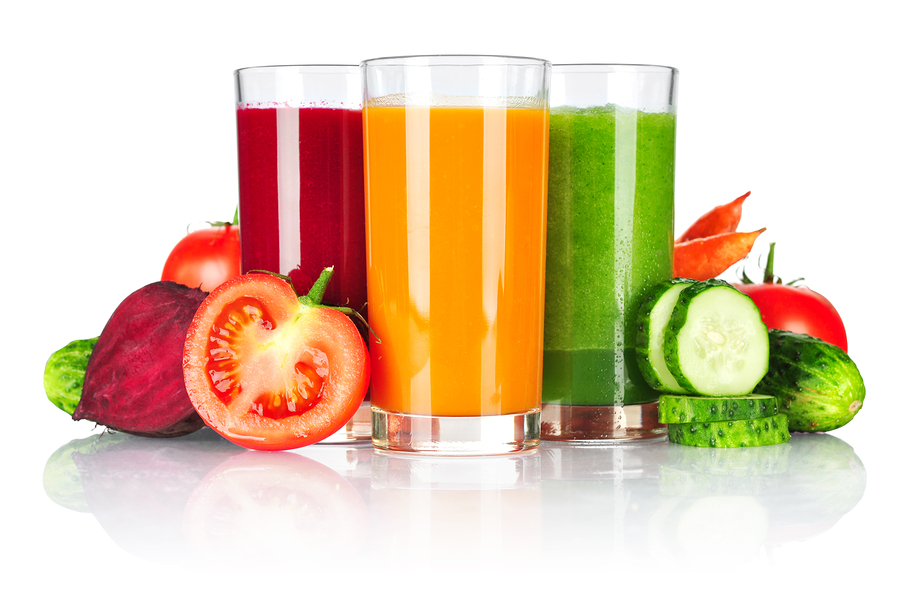
Control Cholesterol Levels: High cholesterol can cause artery blockages, increasing the risk of stroke. With this in mind, seniors should eat heart-healthy foods, such as leafy greens, fatty salmon, nuts, and whole grains. They should also avoid trans fats and processed meals, as well as take any medications they’re prescribed to help lower cholesterol levels.
Manage Diabetes: Uncontrolled diabetes can cause blood vessel damage and raise the risk of stroke. Seniors should monitor blood sugar levels on a regular basis, follow a diabetic-friendly diet, and take insulin or medicines as prescribed.
Recognizing Stroke Symptoms
Prompt medical intervention can help to reduce the damage that strokes can incur. Elder care can help with this by teaching seniors the acronym FAST, which assists them in recognizing stroke symptoms:
F: Face drooping
A: Arm weakness.
S: Speech difficulty
T: Time to contact emergency assistance
Seniors can dramatically lower their risk of stroke and live better lives if they understand the various types and take preventative measures. Elder care can help them with this, as well as encourage them to make and keep regular appointments with their medical team.
Sources:
https://www.mayoclinic.org/diseases-conditions/stroke/symptoms-causes/syc-20350113
https://www.cdc.gov/stroke/prevention/index.html
https://www.heart.org/en/news/2021/05/05/5-critical-steps-to-help-prevent-a-stroke
If you or an aging loved one are considering elder care in Highlands Ranch, CO, please contact the caring staff at SYNERGY HomeCare of Parker. 303-953-9924