Sometimes the first sign that a parent needs more help is not a fall or a medical emergency. It is the refrigerator.
An adult child visits and finds very little fresh food. There are unopened groceries from last week, a few crackers on the counter, and evidence that Dad has been eating cereal for dinner. When asked about it, he says he simply was not hungry.
For older adults in Northridge, senior meal preparation can become difficult for many reasons: fatigue, reduced mobility, memory changes, grief, difficulty shopping, or simply losing the motivation to cook for one person. SYNERGY HomeCare in Chatsworth provides non-medical home care that can help make regular meals, hydration, and daily routines part of the day again.
Why Meals Get Skipped
Cooking involves more steps than we tend to notice until they become difficult. A person has to decide what to eat, check ingredients, shop, stand at the counter, use the stove safely, clean up, and remember to eat what was prepared.
A senior may start relying on snacks or skipping meals because the entire process feels like too much work.
- Arthritis makes chopping or opening containers painful
- Standing at the stove is tiring
- Driving to the grocery store is no longer comfortable
- Memory changes make cooking less safe
- A spouse who used to cook has passed away or become ill
- Low energy makes cleanup feel overwhelming
How a Caregiver Can Help
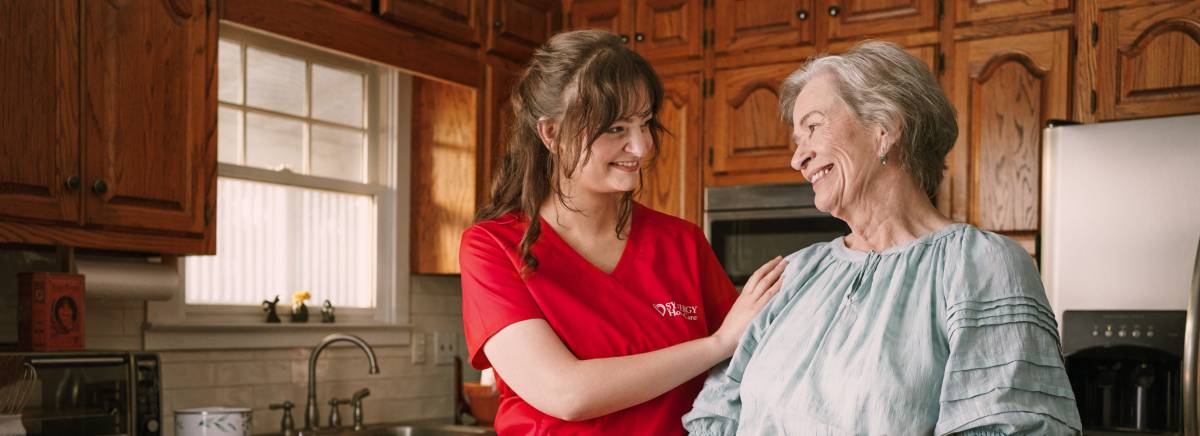
A caregiver can prepare simple meals based on the client’s preferences and household plan, assist with grocery shopping, keep the kitchen tidy, encourage hydration, and provide companionship during mealtime.
That last part can matter more than families expect. Eating alone every day can make meals feel like a chore. Sitting with someone, talking, and keeping a familiar routine may encourage a senior to eat more consistently.
Watch for Changes Beyond the Kitchen
If meals are being missed, it is worth looking at the rest of the day as well. Is laundry piling up? Has bathing become less frequent? Is the person avoiding errands? Are there unopened bills or missed appointments?
Sometimes difficulty with meals is an isolated issue. Other times, it is one of several signs that a parent would benefit from a few hours of regular support.
Meal Preparation May Be Right If
- Fresh food is often missing or going unused
- A parent is losing interest in cooking
- Meals are being replaced by snacks
- Shopping has become difficult or unsafe
- The kitchen is no longer being cleaned consistently
- Family members are worried about hydration or nutrition
Respect Preferences and Independence
Home care should not turn every meal into a rigid program. Seniors have spent a lifetime developing preferences, routines, and favorite foods. Whenever possible, caregiver support should work with those habits rather than replacing them.
The goal is practical: make it easier for the client to eat, drink, and move through the day safely while maintaining as much independence as possible.
Talk With SYNERGY HomeCare in Chatsworth
If you are concerned that a loved one in Northridge is no longer eating regularly or managing daily routines comfortably, SYNERGY HomeCare in Chatsworth can help you discuss what kind of in-home support may be useful.
Frequently Asked Questions
Can caregivers prepare meals for seniors?
Yes. Meal preparation is a common non-medical home care service and can be tailored around the client’s preferences and care plan.
Can a caregiver grocery shop for a client?
Caregivers may assist with errands and grocery shopping as part of the agreed care plan.
Can caregivers manage a medical diet?
Caregivers can follow meal instructions provided by the client, family, or appropriate healthcare professional, but they do not prescribe medical diets.
Can meal preparation be combined with other home care services?
Yes. A visit may also include companionship, personal care, light housekeeping, laundry, transportation, or other approved support.