24-Hour Home Care for Dementia and Alzheimer’s in Tucson, AZ
A person living with Alzheimer’s disease or another form of dementia may be comfortable at home but no longer safe when left alone. Memory loss, impaired judgment, wandering, nighttime confusion, falls, and difficulty with personal care can gradually turn occasional help into a need for continuous support. For Tucson families facing that change, 24-hour home care can provide attentive, one-on-one assistance throughout the day and night while allowing a loved one to remain in familiar surroundings.
At SYNERGY HomeCare of Tucson, our in-home memory care services are personalized around each person’s routines, preferences, abilities, and stage of dementia. Families can begin with a few hours of help and increase care as needs change. When someone requires supervision at all times, trained caregivers can work in rotating shifts so support is available around the clock.
Why Dementia Can Create a Need for 24-Hour Care
Dementia is a general term for changes in memory, reasoning, language, judgment, and other thinking abilities that interfere with everyday life. Alzheimer’s disease is the most common cause, but families may also be navigating vascular dementia, Lewy body dementia, frontotemporal dementia, or mixed dementia.
The need for support varies from person to person. Someone in the early stages may manage well with scheduled visits, reminders, and companionship. As dementia progresses, however, safety concerns can occur unpredictably. A loved one who appears settled in the morning may become disoriented later in the day, forget to take medications. attempt to leave the home, forget to eat, or need hands-on help getting to the bathroom overnight.
The central question is not simply whether memory has declined. It is whether your loved one can be left alone safely. Our guide to who needs 24-hour care at home explains how dementia, fall risk, recovery needs, and limited family support can point toward continuous care.
Signs a Person with Dementia May Need Care Day and Night
A diagnosis alone does not automatically mean that 24-hour care is necessary. Families usually consider continuous care when several risks begin to overlap or when supervision gaps are no longer safe:
Wandering, exit-seeking, or becoming lost inside or outside the home
Frequent confusion about time or place, including nighttime disorientation
Sundowning, agitation, anxiety, or restlessness that is difficult for a family caregiver to manage
Falls, unsafe transfers, or repeated attempts to walk without needed assistance
Forgetting meals, fluids, hygiene, or prescribed medication schedules
Leaving appliances on, opening doors to strangers, or responding unsafely to emergencies
Needing help with bathing, dressing, toileting, incontinence care, or mobility during both daytime and nighttime hours
Repeated hospital or emergency department visits followed by increased weakness or confusion
A spouse or family caregiver who is losing sleep, becoming exhausted, or can no longer maintain safe coverage
An adult child or responsible family member who lives outside Tucson and cannot respond quickly when something changes
If several of these concerns are present, review the more detailed 10 signs it may be time for 24-hour home care. A professional in-home assessment can then help determine whether scheduled visits, overnight assistance, or full 24-hour coverage is the safest fit.
What a 24-Hour Dementia Caregiver Can Do
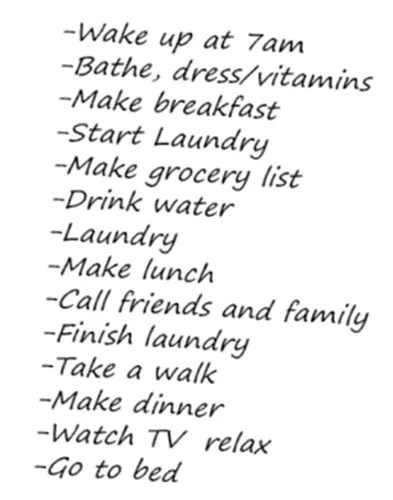
Twenty-four-hour dementia care is non-medical support delivered in the home. Multiple caregivers typically rotate through scheduled shifts so someone is awake, attentive, and available at all times. The care plan should reflect the person’s history, preferences, communication style, physical abilities, and known triggers. And the care plan should evolve as conditions change.
Maintain Familiar Routines
Predictable meals, personal-care routines, familiar music, and a consistent approach to communication can reduce unnecessary stress. Caregivers learn what feels reassuring to the person and use calm redirection when confusion develops.
Provide Continuous Safety Supervision
A caregiver can watch for wandering, unsafe use of appliances, fall hazards, nighttime bathroom needs, and changes in behavior. Continuous presence also means help is available when needs arise instead of after a scheduled visit begins.
Assist with Personal Care and Mobility
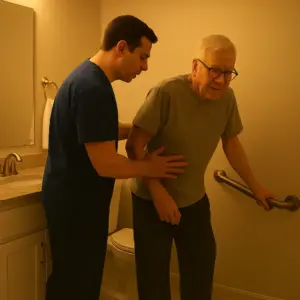
Caregivers can help with bathing, dressing, grooming, toileting, incontinence care, walking, and transfers. Assistance is provided respectfully, with the goal of protecting dignity and encouraging the person to do as much as safely possible.
Support Meals, Hydration and Medication Routines
Dementia can make it difficult to recognize hunger, prepare food safely, drink enough fluids, or remember a medication schedule. Caregivers can prepare meals, offer fluids, observe changes in appetite, and provide medication reminders according to the established care plan.
Offer Companionship and Meaningful Engagement
Conversation, music, family photographs, light exercise, familiar household activities, and sensory engagement can support connection and reduce isolation. Activities should be matched to the person’s interests and current abilities rather than treated as a test of memory.
Communicate with Family
Daily care notes and regular communication help family members understand how their loved one is doing, especially when adult children live outside Arizona. Families can learn about changes in sleep, appetite, mobility, mood, or daily function and decide whether the care plan should be adjusted.
Non-medical home care does not replace physicians, home health nurses, therapists, hospice clinicians, or emergency services. Caregivers support the clinical plan within their permitted scope and communicate concerns so the appropriate professional or family contact can respond.
Overnight Care, Live-In Care or 24-Hour Care
These terms are sometimes used as though they mean the same thing, but the level of supervision can be very different.
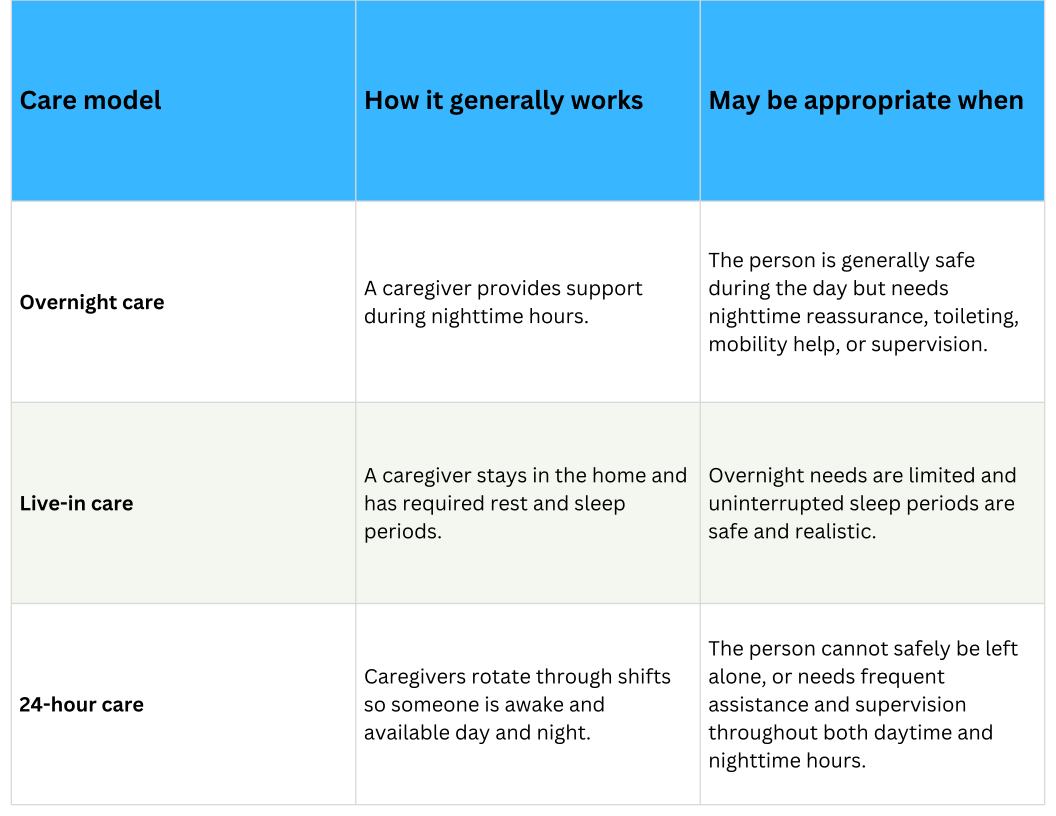

Because the safest choice depends on both daytime and nighttime needs, families may find our Overnight Care vs. 24-Hour Home Care comparison helpful when evaluating the options.
How Remaining at Home Can Help
A familiar home does not eliminate the effects of dementia, but it may reduce the disruption of moving to an unfamiliar setting. The person can remain connected to a spouse, pets, neighbors, personal belongings, and established routines while receiving one-on-one help tailored to the household.
For families, 24-hour care can also change the relationship with their loved one. A spouse or adult child no longer has to provide every night of supervision alone and can spend more time being a family member rather than managing every care task.
Planning for the Cost of 24-Hour Dementia Care
The cost of continuous care depends on the schedule, care model, level of hands-on assistance, overnight needs, and number of caregivers required. Our guide to the cost of 24-hour home care in Tucson explains shift-based care, live-in arrangements, and common payment resources.
Traditional Medicare generally does not pay for ongoing non-medical home care. Depending on eligibility and the individual policy, families may use private funds, long-term care insurance, VA benefits, or Arizona Medicaid long-term care programs. The Medicare GUIDE Model also provides coordinated dementia support and limited respite services for qualifying beneficiaries and family caregivers.
Families can learn more about local participation and eligibility on our CMS GUIDE Model dementia care page. GUIDE respite is not a substitute for long-term 24-hour coverage, but it may provide meaningful short-term relief for an eligible family caregiver.
Choosing a 24-Hour Dementia Care Provider in Tucson
Continuous dementia care depends on more than filling a schedule. Ask each agency how it prepares caregivers, maintains consistency, communicates with families, responds to call-offs, and adjusts the plan when a person’s condition changes.
What dementia-specific training do caregivers receive?
How will caregivers be matched to my loved one’s personality, routines, and needs?
How do you maintain reliable coverage across every shift?
Who is available after hours if a caregiver or family member needs help?
How are care notes and changes in condition communicated to the family?
Can the schedule increase, decrease, or change as dementia progresses?
How do you coordinate with home health, hospice, physicians, or therapists when those services are involved?
SYNERGY HomeCare of Tucson develops a personalized plan based on the individual, not simply the diagnosis. Our goal is to provide reliable care, consistent communication, and the right level of support so families can make decisions with greater confidence.
Frequently Asked Questions About 24-Hour Dementia Care
Can someone with dementia safely continue living at home❯
Many people living with dementia can remain at home when the care plan, home environment, and level of supervision match their needs. If the person cannot safely be alone, 24-hour care may provide the continuous assistance needed to support aging in place.
When is 24-hour care better than overnight care for dementia❯
Overnight care may be sufficient when risks are limited primarily to sleeping hours and the person remains safe during the day. Twenty-four-hour care is usually the stronger option when wandering, falls, confusion, personal-care needs, or unsafe decision-making occur throughout both day and night.
Are 24-hour dementia caregivers awake at night❯
With continuous shift-based 24-hour care, caregivers rotate so someone is awake and available at all times. A live-in arrangement is different because the caregiver requires defined rest and sleep periods. Families should confirm exactly how nighttime coverage will be staffed.
Can caregivers administer medication❯
Non-medical caregivers generally provide medication reminders and help maintain established routines; they do not prescribe medication or replace licensed clinical care. The specific support permitted should be confirmed during the care assessment and documented in the care plan.
Does Medicare cover 24-hour dementia home care❯
Traditional Medicare generally does not cover ongoing non-medical 24-hour home care. Some eligible beneficiaries may receive dementia care coordination, caregiver support, and limited respite through the Medicare GUIDE Model. Long-term care insurance, VA programs, Medicaid long-term care benefits, and private funds may also help, depending on eligibility and coverage.
Can care begin quickly when a family is in crisis❯
Availability depends on the care plan and staffing required. Families facing wandering, caregiver illness, an urgent hospital discharge, or another sudden safety concern should call as soon as possible so the agency can assess the situation and begin coordinating appropriate coverage.
Talk With a Tucson Dementia Care Specialist❯
Deciding that a loved one needs continuous care can feel overwhelming. You do not have to determine the right schedule alone. SYNERGY HomeCare of Tucson will listen to your concerns, assess daily and overnight needs, and explain the care options clearly.
Call SYNERGY HomeCare of Tucson at 520-327-2771 or contact our local care team to schedule a complimentary in-home consultation. We proudly serve Tucson, Oro Valley, Marana, Catalina, SaddleBrooke, Sahuarita, Green Valley and surrounding communities.


Proudly serving Tucson, Oro Valley, Rancho Vistoso, Marana, Vail, Green Valley, SaddleBrooke, and surrounding communities.