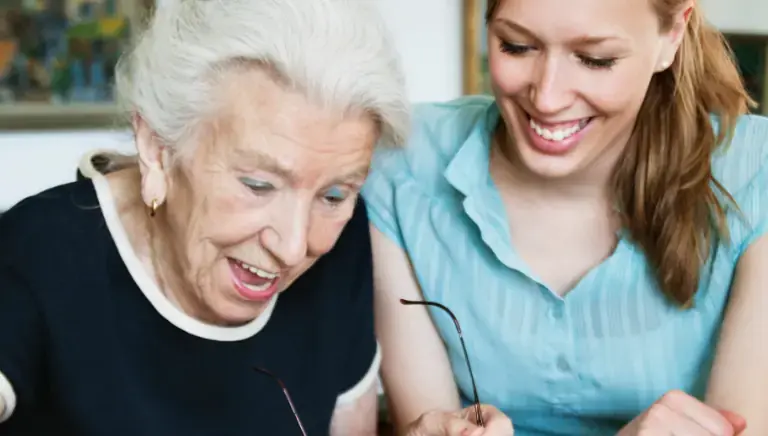
What Do Caregivers for Seniors Do? A Complete Guide for Tucson Families
When an aging parent or loved one begins needing additional help, families often ask an important question: What do caregivers for seniors actually do?
The answer is more comprehensive than most people realize.
Professional caregivers help older adults manage everyday activities that may have become difficult, tiring, or unsafe. Depending on the senior’s needs, a caregiver may assist with personal care, meals, mobility, transportation, medication reminders, companionship, light housekeeping, and other daily routines.
Just as importantly, caregivers provide reassurance. They help seniors preserve their dignity and independence while giving family members greater confidence that someone dependable is there when they cannot be.
At SYNERGY HomeCare of Tucson, our caregivers for seniors provide personalized, non-medical assistance for older adults throughout Tucson, Oro Valley, Rancho Vistoso, Marana, Dove Mountain, Catalina, SaddleBrooke, Sahuarita, Green Valley, and surrounding Southern Arizona communities.
What Is a Senior Caregiver?
A senior caregiver is someone who assists an older adult with daily activities, personal needs, safety, and quality of life.
Professional in-home caregivers for seniors provide this assistance in the client’s own home. Instead of moving into assisted living or relying entirely on relatives, an older adult can receive help while remaining in familiar surroundings and following established routines.
Senior caregivers may provide support for:
- Older adults who need occasional help around the home
- Seniors experiencing mobility or balance problems
- People living with Alzheimer’s disease or another form of dementia
- Individuals with Parkinson’s disease or another chronic condition
- Seniors recovering after surgery or hospitalization
- Older adults who can no longer drive
- Couples who need help remaining at home together
- People receiving hospice or palliative support
- Family caregivers who need time to rest and recharge
Care can range from a few scheduled visits each week to daily, overnight, or continuous 24-hour assistance.
What Services Do Caregivers for Seniors Provide?
Every senior has different abilities, preferences, health concerns, and household routines. A professional home care plan should therefore be customized rather than based on a one-size-fits-all list of services.
Here are some of the most common ways in-home caregivers help Tucson seniors and their families. Senior caregiver services:
-
Personal Care and Hygiene Assistance
Bathing, dressing, and grooming are deeply personal activities. When these tasks become difficult, a compassionate caregiver can provide respectful assistance while protecting the senior’s privacy and dignity.
Personal care for seniors may include:
- Bathing or showering assistance
- Dressing and undressing
- Grooming and personal hygiene
- Oral care
- Toileting assistance
- Incontinence care
- Skin-care reminders
- Help with morning and bedtime routines
Some older adults need hands-on assistance, while others only need reminders or someone nearby for safety. The level of support should be based on the senior’s abilities and comfort.
Personal care can improve hygiene, reduce safety risks, and help an older adult feel more confident and comfortable throughout the day.
-
Mobility Assistance and Fall Prevention
Mobility changes can affect nearly every part of daily life. A senior may have difficulty getting out of bed, standing from a chair, walking to the bathroom, or moving safely through the home.
An in-home caregiver can help with:
- Walking assistance
- Transfers between beds, chairs, toilets, and wheelchairs
- Support when using a walker or other mobility device
- Stand-by assistance during bathing or toileting
- Repositioning and movement assistance
- Encouragement with approved exercises
- Maintaining clear, safer walking paths
- Nighttime mobility and bathroom assistance
A caregiver may also notice changes such as increased unsteadiness, weakness, or difficulty standing and communicate those observations to the family or care team.
For seniors with a history of falls or near falls, professional fall-prevention support can make everyday routines safer and reduce family worry.

-
Meal Planning and Preparation
Preparing nutritious meals can become challenging because of fatigue, limited mobility, memory problems, or difficulty shopping for groceries.
Caregivers can assist with:
- Planning meals
- Grocery shopping
- Preparing food
- Following established dietary instructions
- Serving meals
- Providing eating assistance when appropriate
- Encouraging hydration
- Cleaning the kitchen after meals
- Monitoring changes in appetite
Mealtimes provide more than nutrition. Preparing and sharing a meal can offer companionship, structure, and something enjoyable to anticipate during the day.
Caregivers can also alert families when they notice concerns such as spoiled food, skipped meals, poor appetite, dehydration, or an unexplained change in eating habits.
-
Medication Reminders
Medication schedules can become complicated, particularly when a senior takes several prescriptions at different times of the day.
Non-medical caregivers do not prescribe medications or make clinical decisions. However, they can provide medication reminders and help a senior follow an established routine.
Depending on the care plan, assistance may include:
- Reminding the senior when it is time to take medication
- Bringing a previously prepared medication container to the senior
- Encouraging timely refills
- Observing and reporting missed doses
- Communicating concerns to authorized family members
- Helping maintain routines connected to meals or bedtime
These reminders can be especially helpful for seniors experiencing memory changes or managing time-sensitive medication schedules.
-
Companionship and Social Engagement
A caregiver’s role is not limited to completing tasks. Meaningful companionship is one of the most valuable benefits of senior home care.
Many older adults experience isolation after losing a spouse, giving up driving, developing mobility limitations, or becoming less connected to friends and activities.
Companion care may include:
- Conversation
- Sharing meals
- Playing cards or games
- Looking through photographs
- Reading together
- Listening to music
- Gardening
- Taking walks
- Accompanying the senior to community activities
- Helping the senior stay connected with friends and family
- Participating in hobbies and favorite routines
Regular interaction can bring purpose and enjoyment to the day. It also allows a caregiver to notice changes in mood, memory, mobility, appetite, or behavior that may otherwise go unnoticed.

-
Transportation, Shopping, and Errands
When driving is no longer safe or comfortable, an older adult may have difficulty maintaining independence.
Depending on the care arrangement, caregivers can provide transportation or accompany seniors to:
- Medical appointments
- Grocery stores
- Pharmacies
- Hair appointments
- Religious services
- Social activities
- Family gatherings
- Community programs
- Other errands and appointments
A caregiver can also help the senior get ready, leave the house safely, navigate the destination, and return home comfortably.
This assistance helps older adults remain connected to their community rather than becoming isolated because they no longer drive.
-
Light Housekeeping and Laundry
Home care is not a traditional housekeeping service. However, caregivers can help maintain a clean, comfortable environment by completing light household tasks connected to the senior’s daily care.
These tasks may include:
- Washing dishes
- Wiping kitchen counters
- Sweeping or light vacuuming
- Changing bed linens
- Doing laundry
- Taking out household trash
- Organizing frequently used items
- Keeping walkways free of clutter
- Tidying the senior’s primary living areas
These activities can reduce physical strain on the senior and help address household conditions that could contribute to falls or other safety concerns.
-
Alzheimer’s and Dementia Support
Seniors living with Alzheimer’s disease or another form of dementia often benefit from consistent routines, familiar surroundings, and calm, patient assistance.
A trained dementia caregiver may provide:
- Safety supervision
- Redirection and reassurance
- Support with familiar daily routines
- Meal and hydration reminders
- Personal care assistance
- Meaningful activities
- Companionship
- Help reducing confusion and frustration
- Wandering-risk awareness
- Respite for family caregivers
- Communication with authorized family members
Remaining at home can allow someone with dementia to stay surrounded by familiar rooms, possessions, pets, and routines. Care needs can change over time, so the schedule and care plan should evolve with the senior.
Families exploring Alzheimer’s and dementia home care should ask how caregivers are selected, trained, supervised, and supported.
-
Support After a Hospital Stay
Returning home after surgery, an illness, or hospitalization can be a vulnerable time. A senior may be weaker than usual and have temporary difficulty with mobility, meals, personal care, or household routines.
Hospital-to-home caregivers can help with:
- Transportation home
- Grocery shopping and meal preparation
- Personal care
- Walking and transfer assistance
- Medication reminders
- Appointment transportation
- Light housekeeping
- Safety supervision
- Following an established discharge routine
- Communicating observations to authorized family members
Professional hospital-to-home care can make the transition more manageable and reduce the pressure placed on family members.

-
Respite for Family Caregivers
Many spouses and adult children provide care out of love, but caregiving can eventually become physically and emotionally exhausting.
A professional caregiver can temporarily step in so that the family caregiver can:
- Rest and sleep
- Attend medical appointments
- Go to work
- Run errands
- Spend time with other family members
- Take a vacation
- Participate in social activities
- Simply have time to recharge
Respite care does not replace the family’s involvement. It strengthens the family’s ability to continue supporting their loved one without sacrificing their own health and well-being.
-
Overnight and 24-Hour Care
Some seniors are relatively independent during the day but become confused, anxious, or unsafe at night. Others need support throughout both the day and night.
Overnight caregivers may assist with:
- Bedtime routines
- Nighttime bathroom trips
- Repositioning and mobility
- Fall-risk supervision
- Dementia-related confusion
- Morning routines
- Reassurance for seniors who wake during the night
Seniors with more extensive needs may benefit from 24-hour home care, with caregivers providing ongoing assistance and supervision across multiple shifts.
The appropriate choice depends on when assistance is needed, whether the caregiver must remain awake at night, and the senior’s overall safety concerns.
What Don’t Non-Medical Caregivers Do?
Understanding the limits of non-medical home care is just as important as understanding the services caregivers provide.
Non-medical caregivers generally do not:
- Diagnose illnesses
- Make medical decisions
- Change medication dosages
- Provide skilled nursing procedures
- Develop medical treatment plans
- Create a physical therapy treatment plan or Plan of Care
- Replace physicians, nurses, therapists, or emergency services
Caregivers can observe changes, document concerns, and communicate with authorized family members or healthcare professionals. This communication can help the family recognize when additional medical attention may be needed.
Non-medical home care can also complement services provided by nurses, therapists, hospice teams, physicians, and other healthcare professionals. Our caregivers assist with exercise routines. We also provide the comfort care and support that hospice does not include. Our caregivers can measure and record vital signs (blood pressure, etc.) to provide updates to physicians or determine whether medication is needed at the moment.
How Is a Professional Caregiver Different From a Family Caregiver?
Family caregivers and professional caregivers often work together, but their roles are different.
A family caregiver typically has a personal relationship with the senior and may coordinate appointments, finances, healthcare decisions, and other family responsibilities. A professional caregiver is scheduled to provide defined services according to an established care plan.
Professional caregivers can help families by providing:
- Consistent scheduled support
- Training and experience
- Reliable backup coverage through an agency
- Documentation and communication
- Objective observations
- Physical assistance with demanding tasks
- Transportation to/from medical appointments
- Relief from continuous caregiving responsibilities
Bringing in professional help does not mean the family has failed. It allows relatives to spend more time being spouses, sons, daughters, and grandchildren instead of trying to manage every caregiving responsibility alone.
How Many Hours of Care Does a Senior Need?
There is no single schedule that is right for every senior.
Some people only need several hours of help each week. Others need assistance every morning, throughout the day, overnight, or around the clock.
A care schedule may be based on:
- Personal care needs
- Fall risk and mobility
- Memory loss or confusion
- Meal preparation needs
- Medication schedules
- Whether the senior lives alone
- Family availability
- Nighttime safety
- Recent hospitalization
- The condition of the home
- The family caregiver’s level of stress
Care can begin with a modest schedule and increase as needs change. One of the biggest benefits of home care vs. a senior living facility is the flexibility. Families can learn more about planning and budgeting for assistance in our guide to the cost of senior home care in Tucson.
How Do I Know When It’s Time to Hire a Caregiver?
Families do not need to wait for an emergency before exploring home care. When considering help for elderly parents at home, there are usually signs that indicate the time is right.
Common warning signs include:
- Missed medications
- Falls or near falls
- Poor hygiene
- Unexplained weight loss
- Spoiled food or skipped meals
- Difficulty dressing or bathing
- Increased confusion
- Social withdrawal
- An untidy or unsafe home
- Missed appointments
- Caregiver exhaustion
- Family members constantly worrying about the senior’s safety
Even a few hours of weekly assistance can provide valuable support before the situation becomes a crisis.
Our guide to the signs it’s time for senior home care can help families evaluate changes they may be noticing. Successful aging in place in Tucson requires some planning and the ability to address issues before they become irreversible problems.
What Should Families Look for in a Senior Caregiver?
Caregiving requires practical ability, but skill alone is not enough. The best caregivers combine competence with compassion, patience, and dependability.
Important qualities include:
- A genuine heart for caring for others
- Reliability and punctuality
- Patience
- Respect for the senior’s dignity
- Clear communication
- Attentiveness
- Flexibility
- Relevant training and experience
- The ability to follow a care plan
- A personality that fits the senior
When using a home care agency, families should also ask how caregivers are screened, trained, insured, supervised, and replaced when someone is unavailable.
Reliable backup is an important distinction between hiring an independent caregiver and working with an established home care agency.
How Caregivers Help Seniors Age in Place
Most older adults want to remain in their own homes for as long as possible. However, aging in place is only successful when the senior’s support system evolves along with their needs.
A caregiver can help bridge the gap between complete independence and moving into a senior living community.
With the right assistance, an older adult may be able to:
- Remain in familiar surroundings
- Preserve established routines
- Maintain relationships with neighbors
- Continue living with a spouse or pet
- Receive personalized one-on-one support
- Avoid or delay an unnecessary move
- Stay connected to the Tucson community
- Experience greater comfort, dignity, and independence
Families comparing these choices can read our guide to aging in place versus assisted living in Tucson.
Frequently Asked Questions About Caregivers for Seniors
What does a caregiver do for an elderly person?❯
A caregiver helps an older adult with everyday activities such as bathing, dressing, grooming, mobility, meals, medication reminders, transportation, companionship, laundry, and light housekeeping. Services are customized according to the senior’s needs and abilities.
Can a caregiver help with bathing and toileting?❯
Yes. Personal care caregivers can assist with bathing, dressing, grooming, toileting, incontinence care, and other hygiene routines while protecting the senior’s privacy and dignity.
Do senior caregivers provide medical care?❯
Non-medical caregivers do not diagnose conditions, change medications, or provide skilled nursing treatments. They can provide medication reminders, assist with daily routines, observe changes, and communicate concerns to authorized family members or healthcare professionals.
Can caregivers help seniors with dementia?❯
Yes. Trained caregivers can provide safety supervision, personal care, companionship, redirection, familiar routines, meal assistance, and respite for families caring for someone with Alzheimer’s disease or another form of dementia.
Can a caregiver drive a senior to appointments?❯
Depending on the care arrangement, caregivers may provide transportation or accompany seniors to medical appointments, grocery stores, pharmacies, social activities, and other destinations.
How often can an in-home caregiver visit?❯
Care schedules can range from occasional weekly visits to daily, overnight, or continuous 24-hour care. The right schedule depends on the senior’s needs, safety concerns, family availability, and preferred routines.
Is a home caregiver an alternative to assisted living?❯
For many older adults, yes. In-home caregivers can provide the assistance needed to help a senior remain safely and comfortably at home. Seniors with extensive medical or safety needs may require a combination of home care and clinical services or a different care setting.
How do I find reliable caregivers for seniors in Tucson?❯
Look for a professional home care agency that carefully screens, trains, employs, supervises, and supports its caregivers. Ask about backup coverage, caregiver matching, communication, customized care plans, and experience with your loved one’s specific needs.
Choosing Caregivers for Seniors in Tucson, AZ
At SYNERGY HomeCare of Tucson, we understand that inviting someone into a loved one’s home is an important decision.
We provide compassionate, dependable senior home care built around each client’s personality, needs, preferences, and daily routines. Whether your family needs occasional companionship, personal care, dementia assistance, overnight supervision, respite care, or 24-hour support, we can develop a personalized plan.
Our goal is to provide the kind of service we would expect for our own families—care that helps older adults remain safe, comfortable, and respected at home while giving their loved ones greater peace of mind.
SYNERGY HomeCare of Tucson has served local seniors and families since 2006. We proudly provide in-home senior care throughout Tucson, Oro Valley, Rancho Vistoso, Marana, Dove Mountain, Catalina, SaddleBrooke, Sahuarita, Green Valley, and surrounding Southern Arizona communities.
Call us at 520-327-2771 – 24 hours a day, 7 days a week. We are happy to answer any questions you have.