Summary:
Chemotherapy is taxing but knowing what to expect can make recovery more manageable. Following your first chemotherapy treatment, here’s what to expect and focus on:
- Managing common side effects like fatigue and nausea
- Prioritizing rest, hydration and nutrition
- Knowing when to contact your doctor and knowing what questions to ask
- Relying on emotional and caregiver support
- Gradually easing back into light activity
———————————————————————————————————————
What to Expect After Your First Cancer Treatment
Starting chemotherapy is a major step, and the days that follow your first session are often some of the most difficult. For many patients and caregivers, there’s significant uncertainty about how to deal with the new physical and emotional changes.
During National Cancer Survivors Month, it’s important to remember that you’re not alone and that there are steps you can take to help make things better.
Common Side Effects After Your First Treatment
Every person responds to chemotherapy differently, but some of the most common first chemo treatment side effects include:
- Nausea or loss of appetite
- Fatigue or muscle weakness
- Changes in taste and digestion difficulties
Nausea is typically the first easily noticeable side effect; however, most patients can request prescribed medications or other nausea management resources to ease discomfort.
Preparing for Recovery at Home
Returning home after chemotherapy is a big transition. Some helpful first treatment recovery tips to implement into your at-home routine include:
- Stay consistent with hydration and eating after chemo. Even if it’s a small meal, anything is better than nothing.
- Prioritize rest and follow sleep tips after chemotherapy, like maintaining a calm, cool dark room.
- Adjust your daily routines and be flexible. Your body is working hard to recover, and some needs that weren’t there before now need to be addressed.
Gentle Activity and Looking Ahead
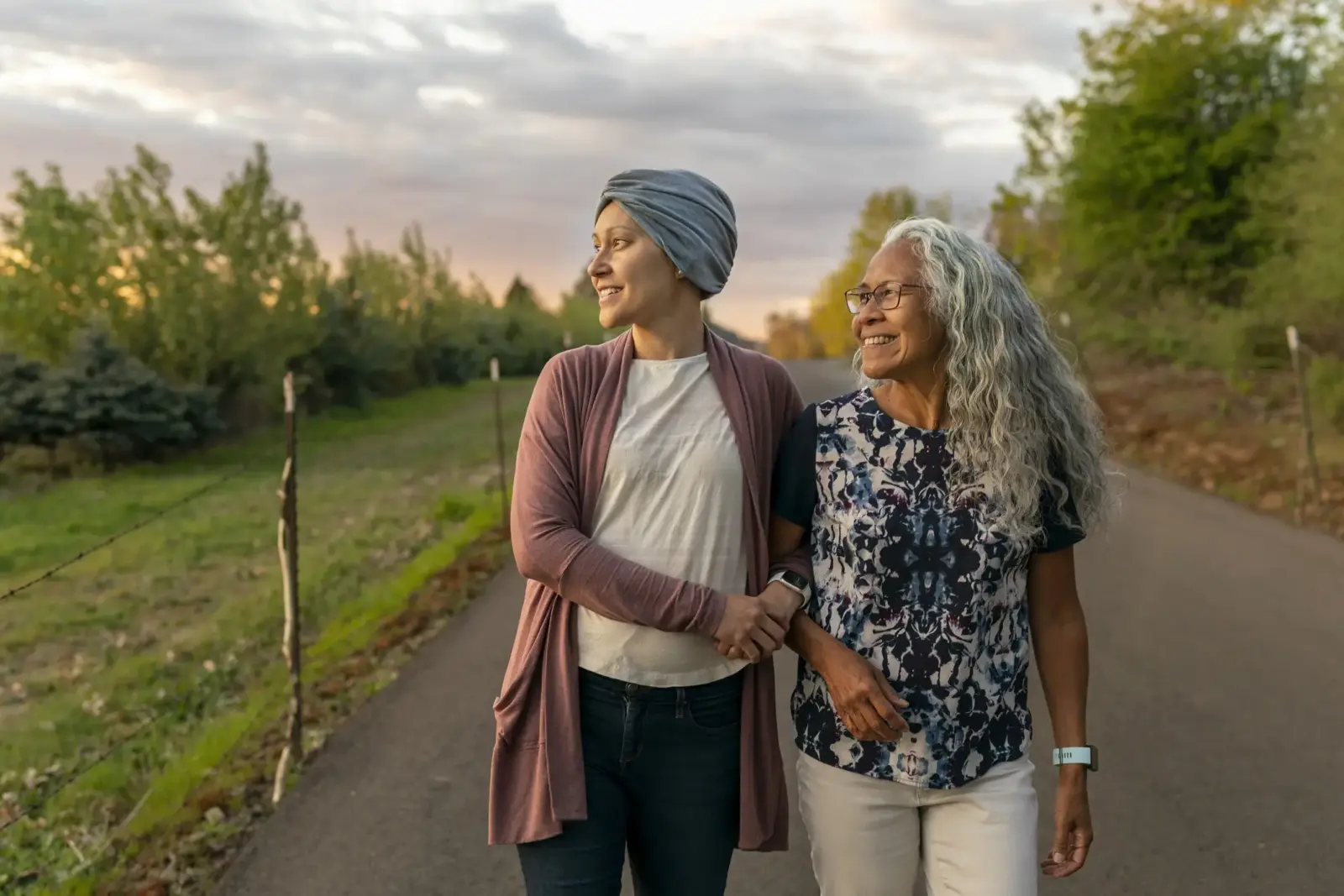
Light movement or exercise is typically encouraged for most cancer patients. Depending on your doctor’s guidance, exercise after chemo can include:
- Short walks
- Gentle stretching or yoga
- Regular light movement to reduce stiffness and fatigue
Always be sure to follow your care team’s recommendations before doing any physical activity.
Questions to Ask and When to Call the Doctor
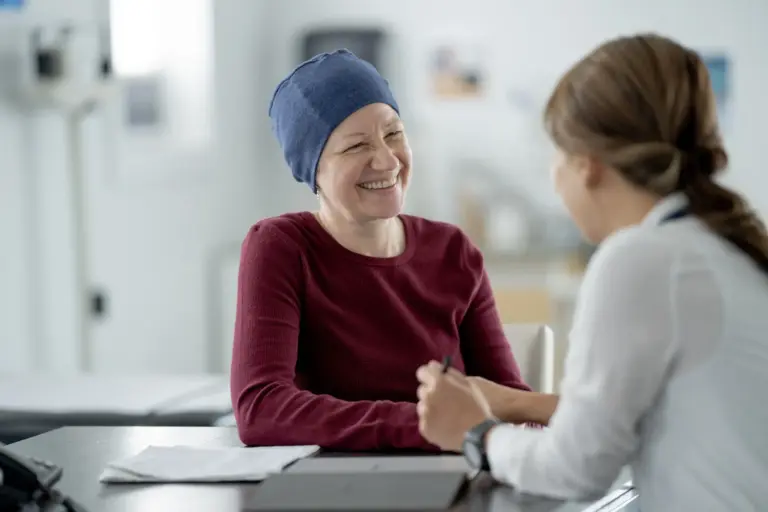
Chemo brings up a lot of questions. To help make sure you get them all addressed, write a list of questions to ask after your chemo appointment, and each time you think of a new one, add it to the list. Whether you want to ask about expected side effects and how long they may last, medication instructions or exercise and dietary restrictions, your doctor understands your confusion and is there to help you.
Equally, it’s just as important to understand when to call the doctor after chemo. If you experience any of the following, you’re justified in giving the doctor a call:
- Severe or persistent nausea
- Fever or signs of infection
- Unusual pain or sudden changes in symptoms
Emotional and Caregiver Support
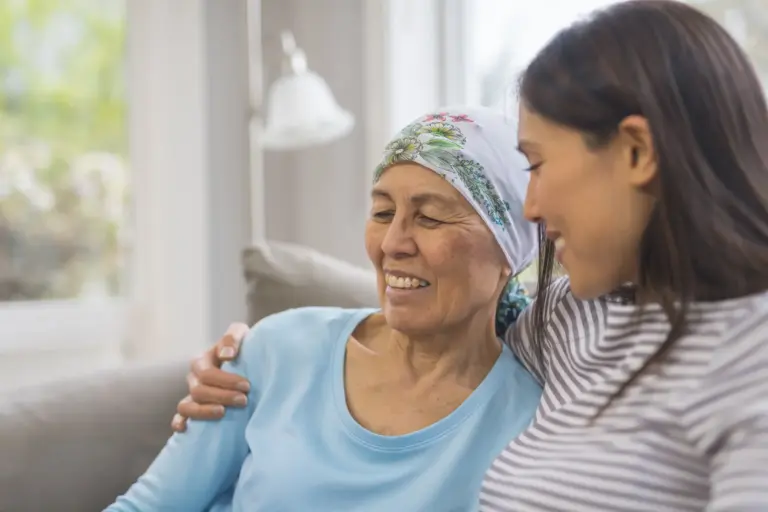
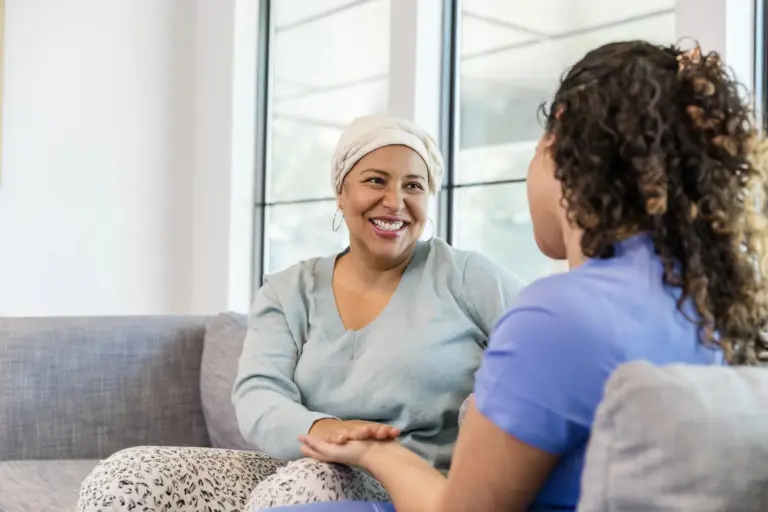
The emotional impact of chemotherapy can be just as significant as the physical effects. Seeking emotional support after chemo is critical, with some options including:
- Joining a support group to connect with others going through similar experiences
- Leaning on family and friends
- Using a caregiver checklist after chemo to stay organized and reduce stress
You don’t need to navigate recovery alone. Many families rely on professional caregivers to meet the needs that they aren’t able to handle on their own. SYNERGY HomeCare’s caregivers are specifically trained to address cancer-related needs and identify any causes of concern.
Whether you need assistance with meals, transportation, medication reminders, or basic companionship, SYNERGY HomeCare can help. To learn more, visit https://synergyhomecare.com/cancer-care/ or call 877-432-2692.
_____________________________________
SYNERGY HomeCare offers no obligation home assessments. Find a location near you or contact us to learn how we can provide additional support to you and your loved ones.