By Amber Merten
Therapy dogs have become a great resource in supporting loved ones with dementia, offering emotional, physical, and cognitive benefits that improve their quality of life. As dementia progresses, individuals often face challenges such as memory loss, anxiety, social isolation, and difficulty communicating. In homecare, therapy dogs have been able to provide a unique form of support. This blog explores the benefits of therapy dogs for people with dementia and how they can promote well-being for your aging loved one.
What Are Therapy Dogs?
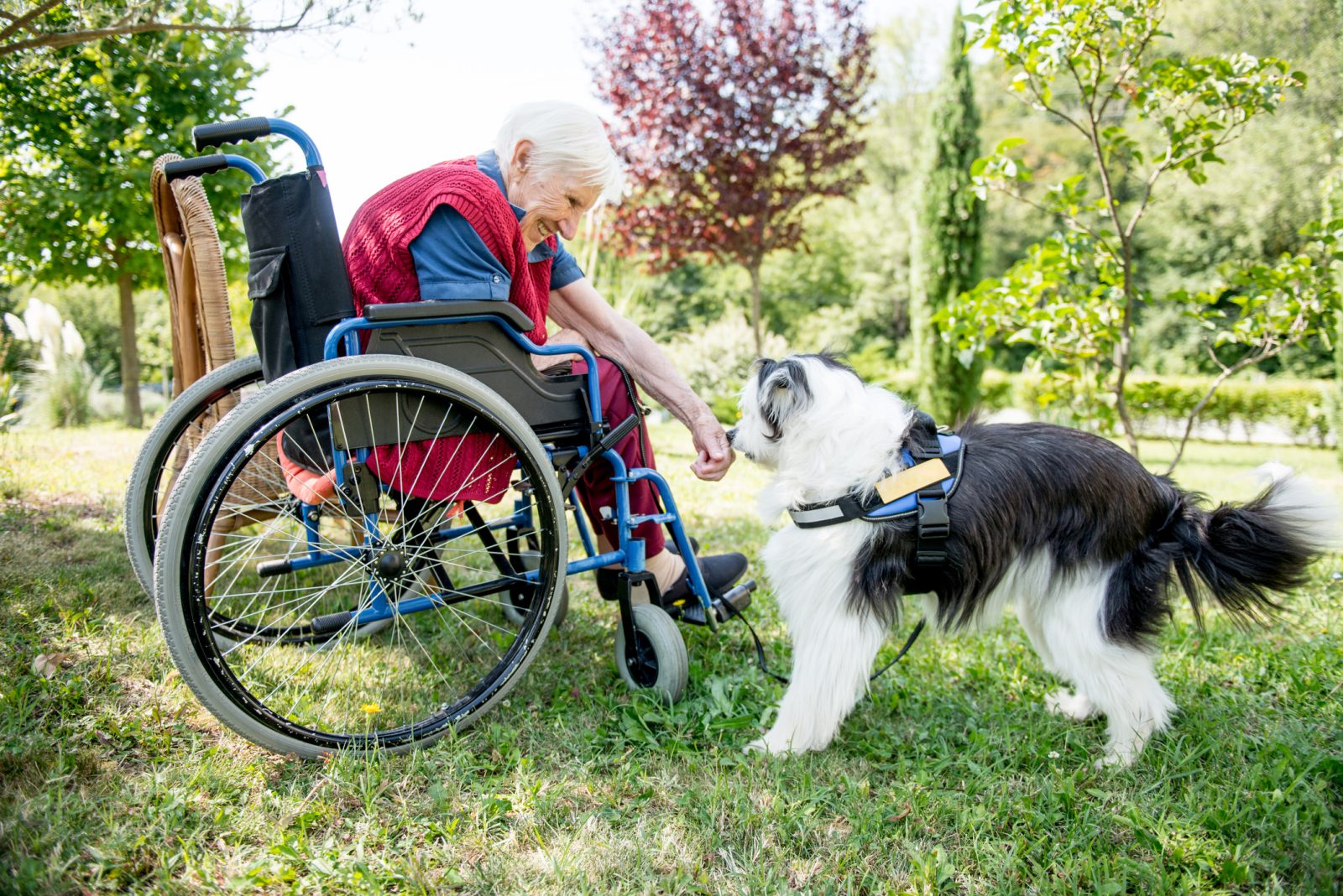
Therapy dogs are specially trained animals that work alongside handlers to provide comfort, companionship, and emotional support. Therapy dogs are trained to interact with multiple people, offering affection and calmness. These dogs are selected for their gentle temperament, sociability, and ability to adapt to diverse environments, making them ideal for supporting individuals with dementia in homecare.
5 Benefits of Therapy Dogs for People with Dementia
1. Emotional Comfort and Reduced Anxiety
Dementia can lead to feelings of confusion, fear, and agitation. The presence of a therapy dog can have a calming effect. Petting or interacting with a dog releases oxytocin, a hormone associated with bonding and stress relief. For individuals with dementia, this interaction can provide moments of joy and emotional connection, even when verbal communication is challenging.
2. Improved Mood and Reduced Depression
Therapy dogs can help alleviate feelings of loneliness and depression, which are common among people with dementia. The unconditional love and nonjudgmental nature of dogs create a positive environment, encouraging smiles, laughter, and engagement. In homecare, where individuals may spend significant time with caregivers or family members, therapy dogs can serve as a source of joy and spark positive interactions.
3. Cognitive Stimulation
Interacting with a therapy dog can stimulate cognitive function in people with dementia. Simple activities like petting, talking to, or playing with a dog can encourage memory recall, especially if the individual has past experiences with pets. For example, they may share stories about pets they owned, which can spark meaningful conversations and strengthen connections with caregivers or family members in the home.
4. Encouraging Physical Activity
Therapy dogs can motivate your loved one to engage in light physical activities, such as walking the dog or tossing a ball. These activities promote mobility, improve circulation, and help maintain physical health. Even small movements, like stroking a dog, can improve fine motor skills and provide sensory stimulation.
5. Social Engagement
Dementia can lead to social withdrawal, as individuals may struggle to communicate or feel disconnected from others. Therapy dogs act as social bridges, facilitating interaction between the person with dementia, their caregivers, and family members. Home care allows caregivers to schedule visits at times when the person with dementia is most receptive, such as during periods of low agitation or high alertness.
Therapy dogs bring warmth, companionship, and therapeutic benefits to individuals with dementia. As home care continues to prioritize person-centered approaches, therapy dogs stand out as a powerful tool for promoting emotional and physical well-being, proving that sometimes, the best medicine comes with a wagging tail.
If you’re interested in exploring therapy dog programs for a loved one with dementia, contact local organizations or speak with the SYNERGY Homecare team to learn about available resources in your area. The paws-itive impact could make all the difference!
___________

Call us to find the home care solution that’s right for you.
850-661-0557