Written by Amber Merten
As we grow older, maintaining bone strength becomes essential for overall health and independence. Our bones naturally lose density after about age 30, where bone rebuilding slows down, and bone loss begins to outpace formation. This can make bones weaker and more prone to fractures.
But don’t fret! There are many things you can do now to protect and strengthen your bones.
Understanding Osteoporosis and Fall Risks
Conditions like osteoporosis—a disease that causes bones to become thin and brittle—affect millions of older adults, especially women after menopause. Osteoporosis is often called a “silent disease” because bone loss happens gradually and without symptoms until a fracture occurs. Common fracture sites include the hip, wrist, and spine, which can lead to chronic pain, reduced mobility, and loss of independence.
Falls are another major concern for older adults. Even a minor trip can result in serious injury if bones are weak. In fact, falls are the leading cause of injury-related deaths among adults over 65. That’s why prevention—through both bone health and safety—is key.
Ways to Keep Your Bones Healthy
1. Get Enough Calcium and Vitamin D
Calcium is the building block of strong bones, while Vitamin D helps your body absorb calcium effectively.
Calcium-rich foods include dairy products, fortified plant milks, almonds, kale, and broccoli.
Vitamin D sources can be sunlight, fortified foods, and supplements (if recommended by your doctor).
2. Stay Active with Weight-Bearing Exercise
Physical activity helps stimulate bone formation and maintain strength.
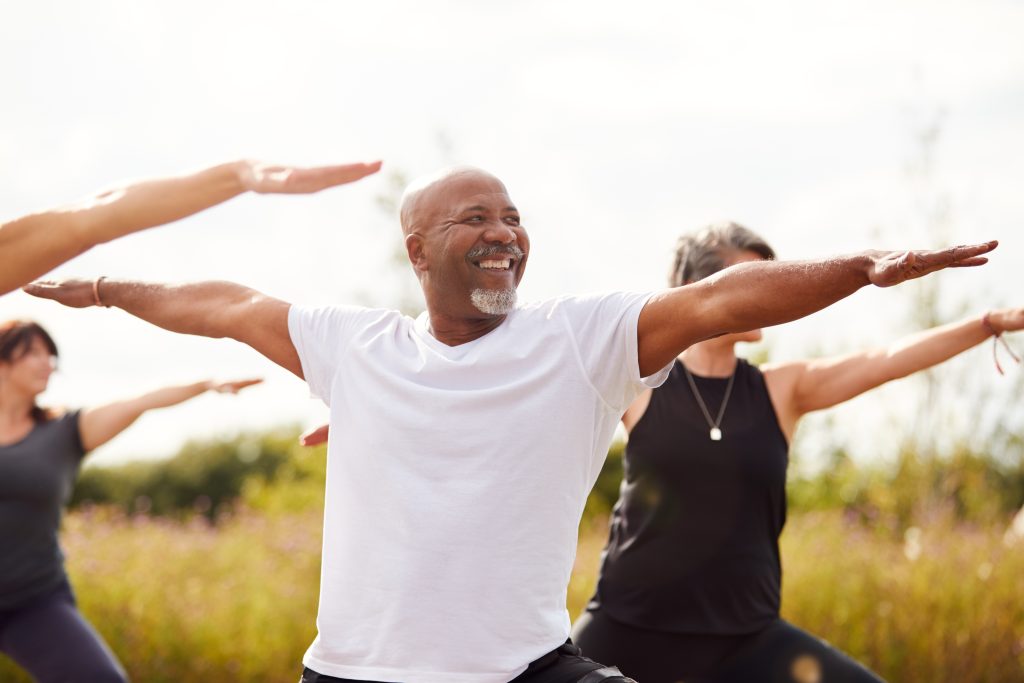
Great exercises include: walking, light jogging, dancing, resistance training, and balance exercises like tai chi or yoga.
Consistency is key—just 30 minutes a day can make a difference.
3. Avoid Smoking and Limit Alcohol
Both smoking and excessive alcohol can accelerate bone loss. Quitting smoking and drinking in moderation can significantly protect your bones.
4. Check Your Medications and Bone Health
Some medications may weaken bones or increase fall risk. Speak with your healthcare provider about your medications and whether you should get a bone density test to check your bone strength.
5. Fall-Proof Your Home
Simple safety changes can reduce the risk of falls:
• Remove tripping hazards like loose rugs or clutter.
• Add grab bars in the bathroom.
• Ensure good lighting in hallways and stairways.
• Wear shoes with non-slip soles.
At Synergy HomeCare, we understand how important it is for seniors to stay active, safe, and independent at home. Building and maintaining bone strength isn’t just about preventing fractures—it’s about preserving your freedom and quality of life. With the right nutrition, exercise, and home safety measures, you can keep your bones strong and your body resilient for years to come.
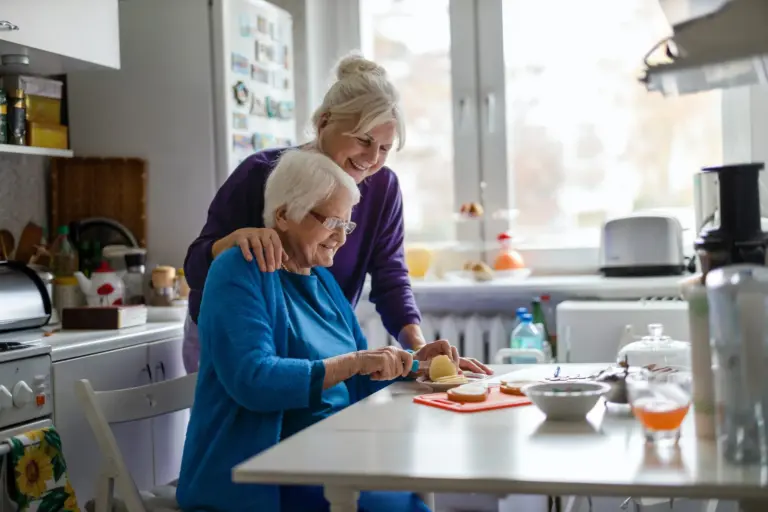
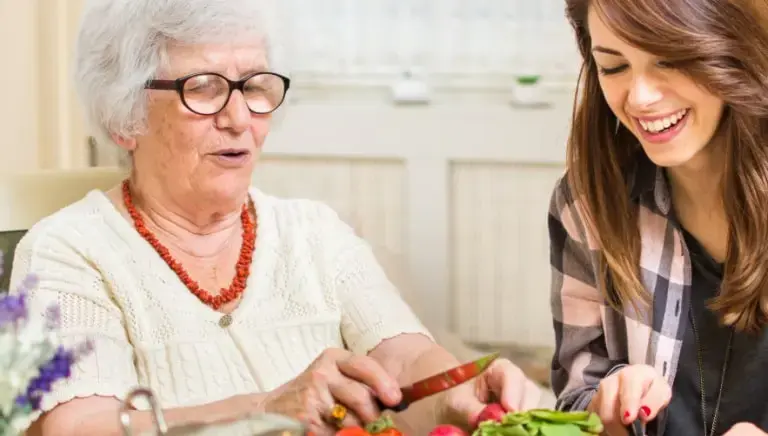
Whether it’s meal preparation rich in calcium and vitamin D or fall prevention support, our compassionate care professionals are here to help you or your loved one live safely, confidently, and comfortably.
___________

Call us to find the home care solution that’s right for you.
850-661-0557