Veterans have made incredible sacrifices for their country, but many return home carrying invisible wounds—one of the most common being post-traumatic stress disorder (PTSD). PTSD can make daily life challenging, affecting mental health, relationships, and the ability to complete everyday tasks. Homecare services play a vital role in helping veterans manage PTSD by providing personalized care, companionship, and a structured environment that promotes healing and stability.
Understanding PTSD in Veterans
PTSD develops after experiencing or witnessing traumatic events, such as combat, injury, or loss. Symptoms can include:
• Flashbacks and nightmares
• Anxiety and Depression/withdrawal
• Difficulty sleeping
• Irritability or anger
• Difficulty trusting others
Without proper support, PTSD can make it difficult for veterans to maintain their independence and quality of life. This is where homecare can make a difference.
How Homecare Helps Veterans with PTSD
1. Providing a Safe and Stable Environment
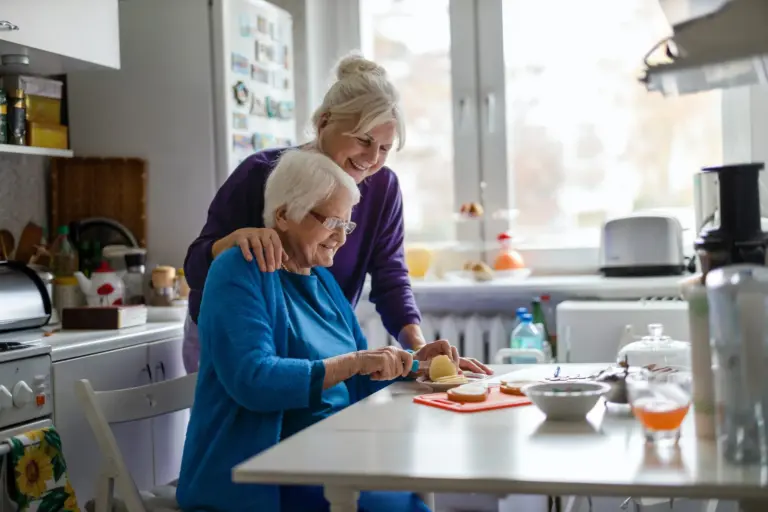
A consistent routine and a calming home environment are essential for veterans with PTSD. Homecare professionals help create stability by assisting with daily activities, such as meal preparation, medication reminders, and household chores, reducing stress and unpredictability.
2. Offering Emotional Support and Companionship
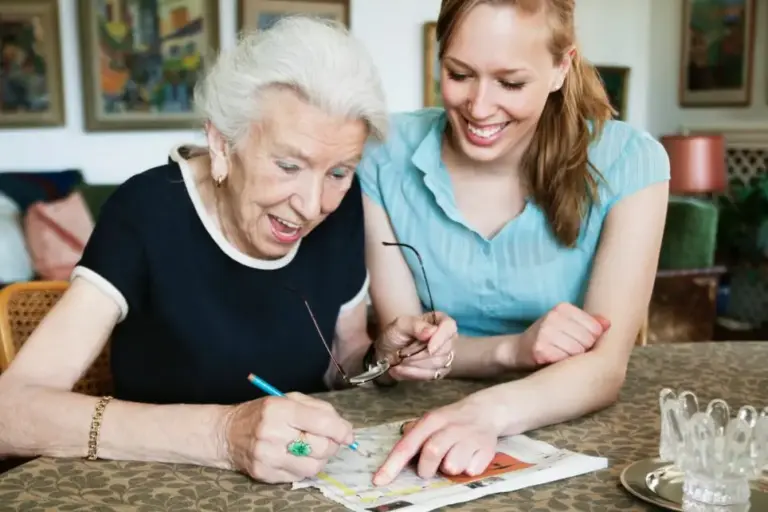
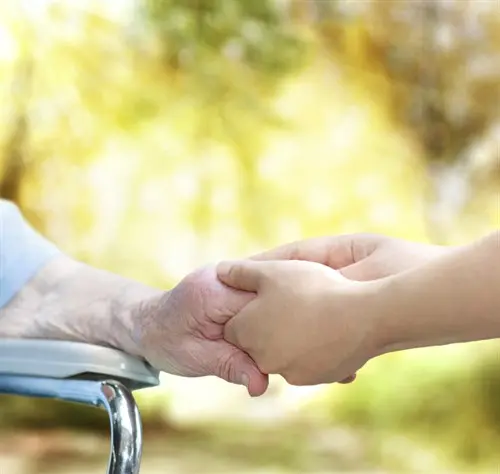
Loneliness and isolation can worsen PTSD symptoms. Caregivers provide companionship and emotional support, helping veterans feel understood and valued. Many homecare agencies match veterans with caregivers who have military experience or training in PTSD care, ensuring a deeper connection and understanding.
3. Assisting with Medication and Therapy Compliance
Managing PTSD often involves therapy and medication. Home caregivers can remind veterans to take prescribed medications and attend therapy sessions, ensuring they stay on track with their treatment plan.
4. Reducing Triggers and Stressors
Certain sights, sounds, or situations can trigger PTSD symptoms. Experienced homecare providers recognize and help veterans avoid these triggers, whether by maintaining a peaceful environment or assisting with coping strategies during stressful situations.
5. Encouraging Healthy Lifestyle Choices
A healthy lifestyle can improve PTSD symptoms. Homecare aides assist with meal preparation, encourage regular physical activity, and help establish sleep routines—important factors in managing anxiety and mood disorders.
6. Supporting Family Caregivers
Family members often take on the role of caregiver, but supporting a loved one with PTSD can be overwhelming. Professional homecare offers respite for family caregivers, allowing them to rest and recharge while knowing their veteran loved one is in good hands.
Honoring and Caring for Those Who Served
Veterans deserve compassionate care that acknowledges their sacrifices and supports their well-being. Home care services provide the personalized assistance, emotional support, and structure that veterans with PTSD need to regain confidence, stability, and a sense of normalcy in their daily lives.
If you or a loved one is a veteran struggling with PTSD, home care services may be an invaluable resource to help navigate the challenges and improve overall quality of life. Give us a call for more information on VA benefits and how SYNERGY can support the specific needs of your family!