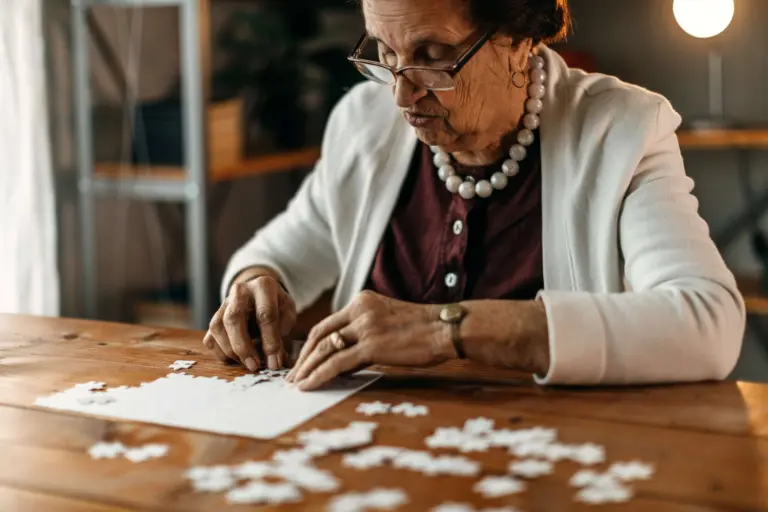
Maybe it was a near-fall in the shower, a pot left on the stove, or a phone call that went unanswered a little too long. Moments like these can leave you worried about a parent or spouse at home and wondering whether you’re doing enough.
For families thinking about home safety for older adults in Naples, the most useful place to start is with the parts of daily life you can actually change: remove fall hazards, simplify routines, prepare for extreme heat and hurricanes, and make sure help is available when it is needed.
No home can be made risk-free, but small changes can make everyday life steadier without taking away someone’s independence.
Reduce Fall Risks Room by Room
According to the CDC, falls are the leading cause of injury for adults 65 and older, and more than 14 million older adults (about one in four) report falling each year. Try a slow walk through the home together, asking what feels harder than it used to.
The National Institute on Aging recommends steps such as:
- Floors and hallways: Remove throw rugs and keep walking paths clear of clutter and cords.
- Stairs: Install secure handrails on both sides, with light switches at the top and bottom.
- Bathroom: Add grab bars near the toilet and in the tub or shower, plus nonskid mats.
- Bedroom: Keep a light switch, night-light, and charged phone within reach of the bed.
- Kitchen: Keep frequently used pots, pans, and utensils within easy reach.
Encourage your parent to tell their doctor about any falls or unsteadiness. They can also ask their doctor or pharmacist whether any medications could be contributing to their fall risk.
Cover the Basics: Alarms, Medications, and Calling for Help
The U.S. Fire Administration recommends testing smoke alarms every month. It also recommends installing and maintaining carbon monoxide alarms inside the home. The U.S. Consumer Product Safety Commission recommends setting the water heater to 120°F to help reduce the risk of scalds.
Keep a current list of medications, doctors, and emergency contacts somewhere easy to find. If a weekly pill organizer suits their medication routine, it may make doses easier to keep track of. If medications are already being missed or taken twice, ask their doctor or pharmacist about a more reliable system.
A medical alert pendant or bracelet can provide a quick way to call for help in an emergency. Having a trusted neighbor, friend, or relative nearby with a spare key can add another layer of backup.
Plan Ahead for Naples Heat and Hurricane Season
The CDC notes that adults 65 and older are more prone to heat-related illness. Older adults may adjust to sudden temperature changes more slowly, while some medications and chronic conditions can affect the body’s response to heat.
Keep the air conditioning working and water within easy reach, while checking with their doctor about any fluid limits. During very hot weather, the CDC’s caretaker guidance recommends visiting an older person in your care at least twice a day and watching for signs of heat stress.
Our guide to hurricane preparedness for seniors in Naples covers storm supplies and planning. If your parent has special medical or functional needs and no other suitable place to shelter, they may be eligible to pre-register with Collier County’s Special Needs Program.
Registration is required each year and doesn’t guarantee shelter placement, so it should remain a backup to your family’s own emergency plan.
Signs It May Be Time for More Support at Home
Often, it’s a pattern of small changes rather than one dramatic event. It may be worth talking about extra help if you notice:
- A recent fall or near-fall, or unexplained bruises
- Steadying themselves on furniture or walls to get around
- Scorched pans, a burner left on, or doors left unlocked
- Skipped meals or expired food in the refrigerator
- Trouble rising from a chair or getting in and out of the shower
- Pulling back from friends and outings
If memory changes are involved, our guide to leaving someone with dementia home alone explains what to watch for.
How In-Home Care Can Help Without Taking Over
Sometimes what helps most is simply having another person in the home.
Depending on what your parent needs, a caregiver from SYNERGY HomeCare of Naples can provide companion care, help with bathing and dressing, prepare meals, handle light housekeeping and errands, and provide medication reminders.
For people who feel unsteady, the Naples team also offers fall and injury prevention support, including help with walking and moving around the home.
This support is non-medical: caregivers assist with daily life at home, while diagnosis and treatment remain with your parent’s healthcare professionals.
Every caregiver is background-checked, trained, bonded, and insured, and caregiver matching considers needs, schedule, and personality. You can ask to meet a caregiver in advance and request a change if the fit does not feel right. The service agreement can also adapt as needs change.
The Naples office is locally owned and operated by Amanda Mancuso, who brings more than a decade of home-care leadership experience.
Balancing Their Independence With Your Own Worry
For many families, this is the hardest part. You want your parent to be protected, and they want to keep living their own way, in their own home. Both wishes are reasonable. Pushing too hard can feel like taking something away from them, while stepping back can feel like ignoring a risk you can already see.
The home belongs to the person living in it. When decisions are made with your parent rather than for them, changes can feel less like a set of rules and more like choices about how they want to live.
There’s also the guilt of not being there more. Work, children, distance, and your own responsibilities all compete for your time, and every hour away can start to feel like letting them down.
No one can cover every hour themselves, and trying to do so can quickly make family care difficult to sustain. Bringing in help can give you room to rest, work, and handle the other parts of life that still need you.
None of this means you’ve stepped back. Instead, your time together can go to conversation and shared meals rather than chores and worry. A caregiver simply adds another dependable person to the circle of support around them.
In-Home Support That Fits Their Life in Naples
Helping someone stay comfortable at home is usually a series of small adjustments, made together and revisited as needs change.
SYNERGY HomeCare of Naples provides personalized, non-medical in-home care, from companion care and personal care to respite and evening support, with an emphasis on consistency, privacy, and discretion.
If you’ve started to notice changes, you do not need to have a complete plan before reaching out. We are here to listen, learn about your parent’s routines and priorities, and talk through what support could look like in their day-to-day life.
Contact SYNERGY HomeCare of Naples at (239) 799-5898 to schedule a free in-home consultation.
Frequently Asked Questions
What are the biggest home safety risks for older adults?❯
Falls deserve particular attention because the CDC identifies them as the leading cause of injury among adults 65 and older. Families may also want to plan for cooking and fire hazards, scalds, extreme heat, medication mix-ups, and how someone would call for help after a fall or other emergency.
How can I support a parent in Naples if I live out of state?❯
Agree on a regular call time so a missed call stands out, and identify a local person who can stop by if something seems off. Before hurricane season, decide who will help with evacuation planning and what will happen if conditions change quickly. Companion care visits can also add in-person support between family calls and visits.
How do I stop feeling guilty about arranging help at home?❯
It can feel uncomfortable to bring in outside help, especially if you have been handling most things yourself. A caregiver does not replace your role in your parent’s life. Sharing some everyday responsibilities can give you more room to rest and more opportunities to spend your time together as family.
Is in-home care the same as home health care?❯
No. In-home care is non-medical assistance with daily activities, companionship, and household tasks. Home health care involves clinical services, such as nursing or therapy, prescribed by a doctor and provided by licensed professionals. The two can work side by side.