When seniors with diabetes face health challenges that land them in the hospital, they might be surprised to realize that they need to pay closer attention than usual to possible complications. Blood sugar may not be as easy to stabilize when seniors are sick or recovering from surgery or injuries. Hospital to home transition care experts can help aging adults watch out for possible complications that could land them back in the hospital.
Skin Changes
Damage to nerves, reduced circulation, and other skin changes can have a big impact on skin’s appearance and texture, especially while seniors are recovering from a hospital stay. Paying close attention to any differences in skin, especially the possible formation of pressure sores, can keep seniors from having to deal with new wounds. Home care providers can help aging adults change positions and inspect their skin regularly.
Slow Digestion
Diabetes and uncontrolled blood sugar can affect the digestive system, but so can a hospital stay. Even a short hospital stay can interfere with seniors’ systems, leaving them feeling uncomfortable and experiencing reduced appetites. Seniors may find that their time recovering makes digestive issues like nausea and heartburn more common. Addressing those issues with the help of medical providers can help seniors to rebuild their appetites, which can further speed healing.
Mental Health Changes
When seniors come home from the hospital, they’re likely to be happy to be home. But the challenges involved in healing might make them feel anxious or even depressed, especially if it’s tough to get back to their normal lives. Hospital to home transition care experts can help family members understand what types of mood changes and mental health challenges to watch for so that they can help seniors find the resources they need.
Neuropathy
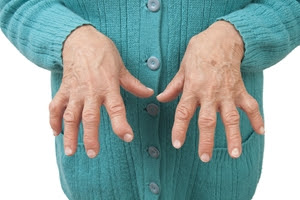
Nerve damage to the feet and hands can be extremely common for seniors with diabetes. Seniors with diabetes can develop neuropathy as a result of uncontrolled blood sugar, but they can also experience this nerve problem because of other health issues. Staying on top of neuropathy can help seniors to avoid injuries that might send them back to the hospital.
Cardiovascular Disease
Over time, high blood sugar damages blood vessels throughout the body. This leaves seniors more susceptible to heart disease, high blood pressure, and even strokes. If seniors are particularly at risk of cardiovascular disease, they may want to pay special attention to their individual risk factors. Hospital to home transition care experts can work with medical providers to develop plans for seniors that help them to stay as healthy as possible while they continue to recover.
Diabetes itself is complicated enough, especially as seniors continue to age. But combined with other health issues and a hospitalization, it’s more important than ever for seniors and family caregivers to understand what complications might be related to diabetes. Hospital to home transition care services lend their expertise to educating families and helping them to find the services and therapies they need to help seniors return home and avoid rehospitalization for as long as possible.
If you or an aging loved one are in need of hospital to home transition care in Littleton, CO, please contact the caring staff at SYNERGY HomeCare of Parker. 303-953-9924