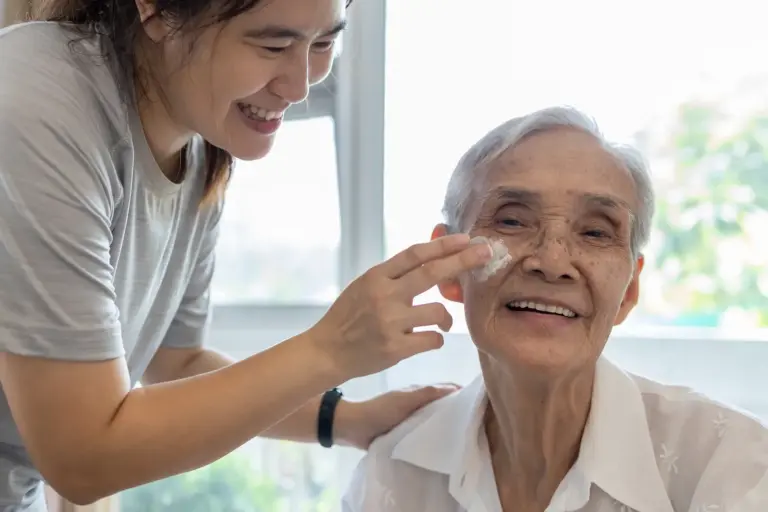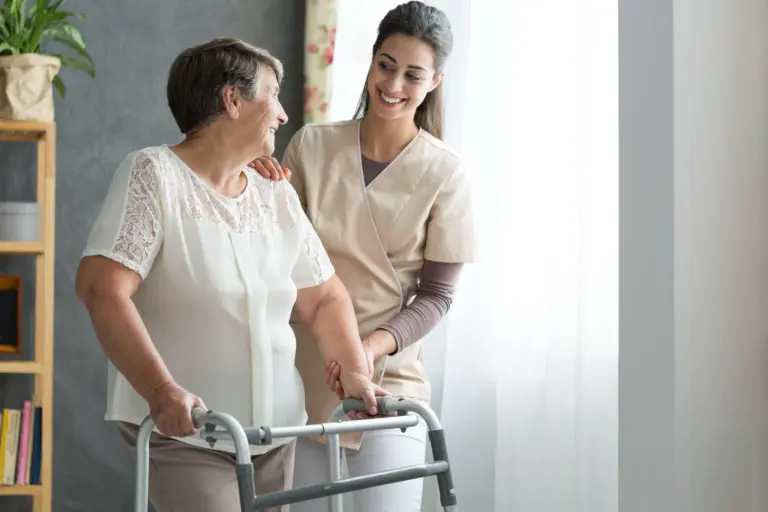
Growing older often comes with unexpected challenges, and one of the most difficult can be learning to speak up for personal needs. Many seniors find themselves hesitating to voice their preferences, whether it’s about healthcare decisions, daily routines, or social activities. While it might seem like adding companion care at home to their support system would cause them to withdraw even more, the presence of a supportive caregiver can ignite a sense of empowerment that helps them rediscover their voice and start advocating for what matters most to them.
Building a Foundation of Trust
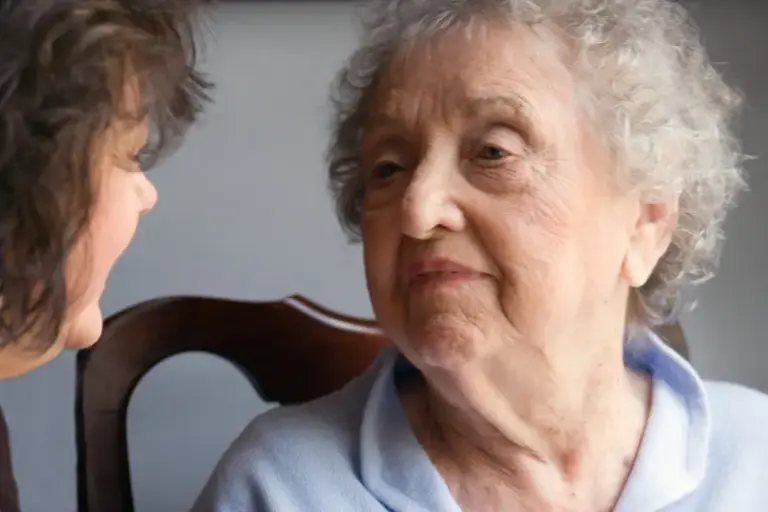
The relationship between a senior and their caregiver builds gradually, rooted in daily interactions and shared moments. This consistent presence creates a safe environment where seniors feel heard and respected. When caregivers actively listen without judgment, they demonstrate that the senior’s thoughts and preferences truly matter. This validation becomes a powerful catalyst, encouraging seniors to express themselves more freely. Over time, what might have started as small requests about meal preferences or activity choices evolves into more significant conversations about healthcare, living arrangements, and personal goals.
Practice Builds Confidence
Companion care at home provides daily opportunities for seniors to practice self-advocacy in low-stakes situations. Deciding what to have for lunch, choosing which park to visit, or selecting an afternoon activity might seem trivial, but these moments are actually training grounds for bigger decisions. Each time a caregiver honors these preferences, it reinforces the senior’s understanding that their voice has value. This regular practice builds confidence that extends beyond interactions with their caregiver, helping seniors feel more prepared to speak up during doctor’s appointments, family discussions, or community gatherings.
Breaking Through Isolation
Social isolation can silence even the most articulate individuals. When seniors spend extended periods alone, they may begin to question whether their needs and opinions still matter. Caregivers break through this isolation, providing regular social engagement and meaningful conversation. This connection reminds seniors that they remain valuable members of their communities with important perspectives to share. The caregiver becomes both a sounding board and a cheerleader, helping seniors voice their thoughts out loud and encouraging them to share them with others.
Knowledge Is Power
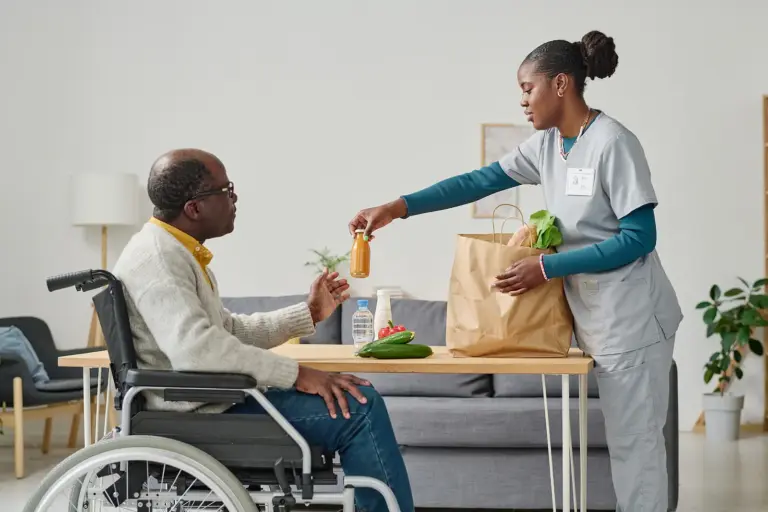
Many seniors feel hesitant to advocate for themselves simply because they don’t have all the information they need. Caregivers often help bridge this knowledge gap, explaining medical terminology, researching community resources, or clarifying confusing instructions. When seniors better understand their situations, they feel more equipped to ask informed questions and make decisions aligned with their values. This educational support transforms uncertainty into confidence, enabling more effective self-advocacy.
Witnessing Respectful Communication
Companion care at home models how to communicate needs respectfully yet firmly. Seniors observe how their caregivers navigate conversations with healthcare providers, family members, and service professionals. They see firsthand that it’s possible to be both courteous and assertive, to ask questions without apologizing, and to disagree while maintaining relationships. This modeling provides a template that seniors can adapt to their own advocacy efforts.
As seniors grow more comfortable advocating with companion care at home providers, this confidence naturally extends to other relationships. They begin speaking up during family gatherings, asking doctors for clearer explanations, and expressing preferences about their care plans. Ultimately this support leads to greater autonomy, dignity, and quality of life.
Sources:
https://hearinghealthfoundation.org/blogs/nurturing-self-advocacy-by-learning-how-to-speak-up
https://www.heartwisesupport.org/post/how-to-encourage-self-advocacy-and-independence-in-daily-activities
https://www.verywellmind.com/self-advocacy-benefits-and-strategies-8697994
If you or an aging loved one are considering companion care at home in Franktown, CO, please contact the caring staff at SYNERGY HomeCare of Parker. 303-953-9924