Aging brings inevitable changes that can feel overwhelming for seniors who wish to remain in their own homes. From shifting daily routines to evolving health needs, these transitions often require support that goes beyond what family members can provide alone. Elder care services can help seniors and their families navigate these changes while also ensuring that seniors maintain their independence and dignity in familiar surroundings.
Adapting to New Daily Routines
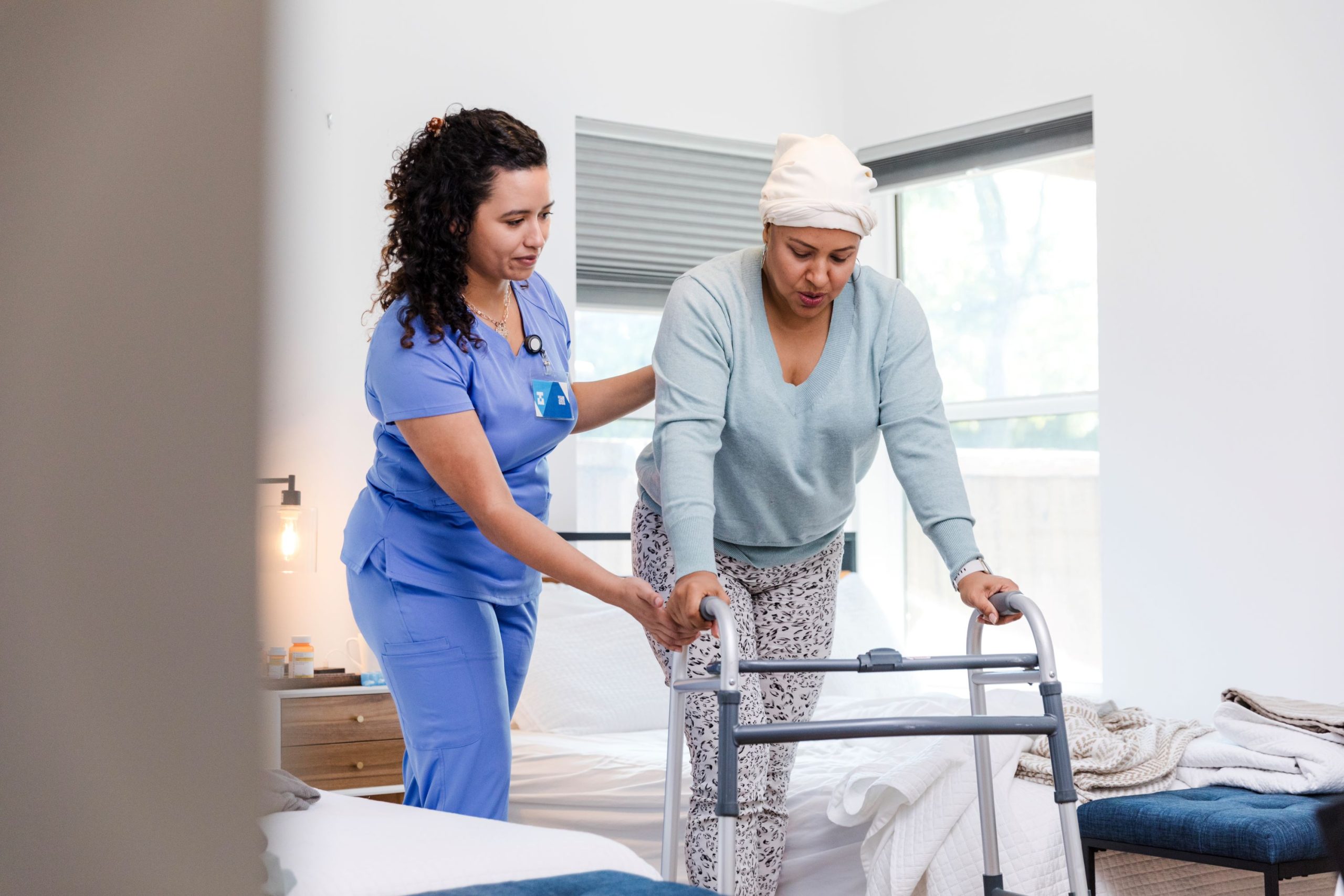
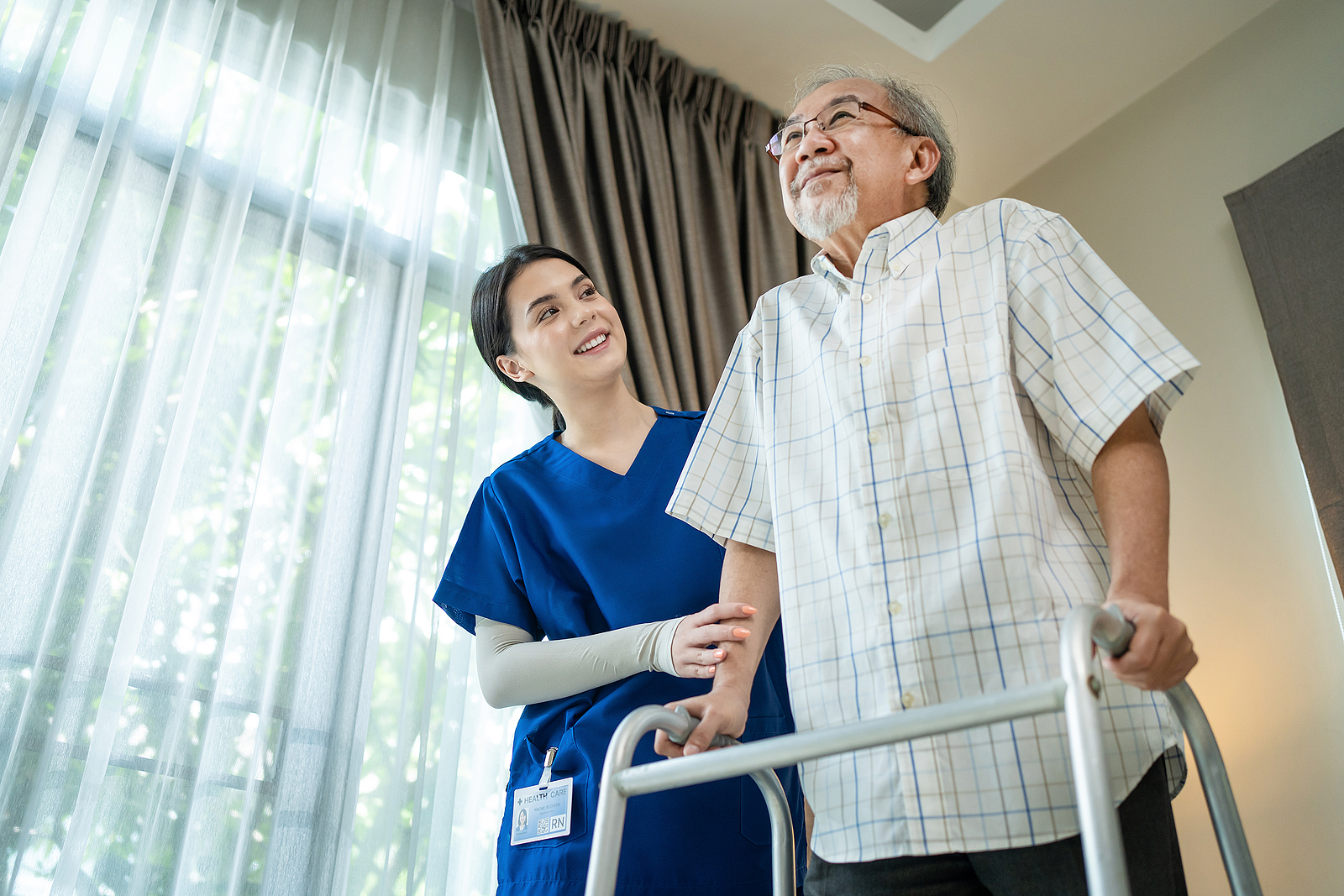
As seniors age, their energy levels, mobility, and cognitive patterns naturally shift. What once felt like a simple morning routine may become more challenging, requiring adjustments that can feel disorienting. Caregivers trained in elder care understand these transitions and work closely with seniors to establish new routines that honor both their capabilities and preferences. For instance, the day might be restructured to accommodate slower mornings, incorporate rest periods, or reorganize tasks based on when energy levels are highest. This personalized approach ensures that seniors maintain a sense of control over their daily lives while receiving the support they need to function safely and comfortably.
Managing Evolving Health Conditions
Health changes often represent the most significant challenge for seniors aging in place. New diagnoses, medication adjustments, and physical limitations can create complex care needs that require ongoing attention and expertise. Elder care provides continuity of care that helps seniors and their families navigate these medical complexities with confidence.
Caregivers work closely with healthcare providers to ensure medication compliance, monitor symptoms, and recognize when medical intervention may be necessary. They also monitor for subtle changes in a senior’s condition and communicate those alterations with medical teams. This collaborative approach helps prevent minor issues from becoming serious complications while ensuring that seniors receive appropriate care without unnecessary hospitalization.
Accessing Benefits and Resources
Navigating senior benefits and community resources can be confusing for many seniors, especially if they are trying to figure things out on their own. Elder care provides valuable information regarding available resources and how to access them effectively. They can help seniors understand their benefits, connect with community programs, and advocate for services that support aging in place. This guidance ensures that seniors maximize the support available to them while avoiding common pitfalls that might result in missed opportunities or unnecessary expenses.
Building a Comprehensive Support Network
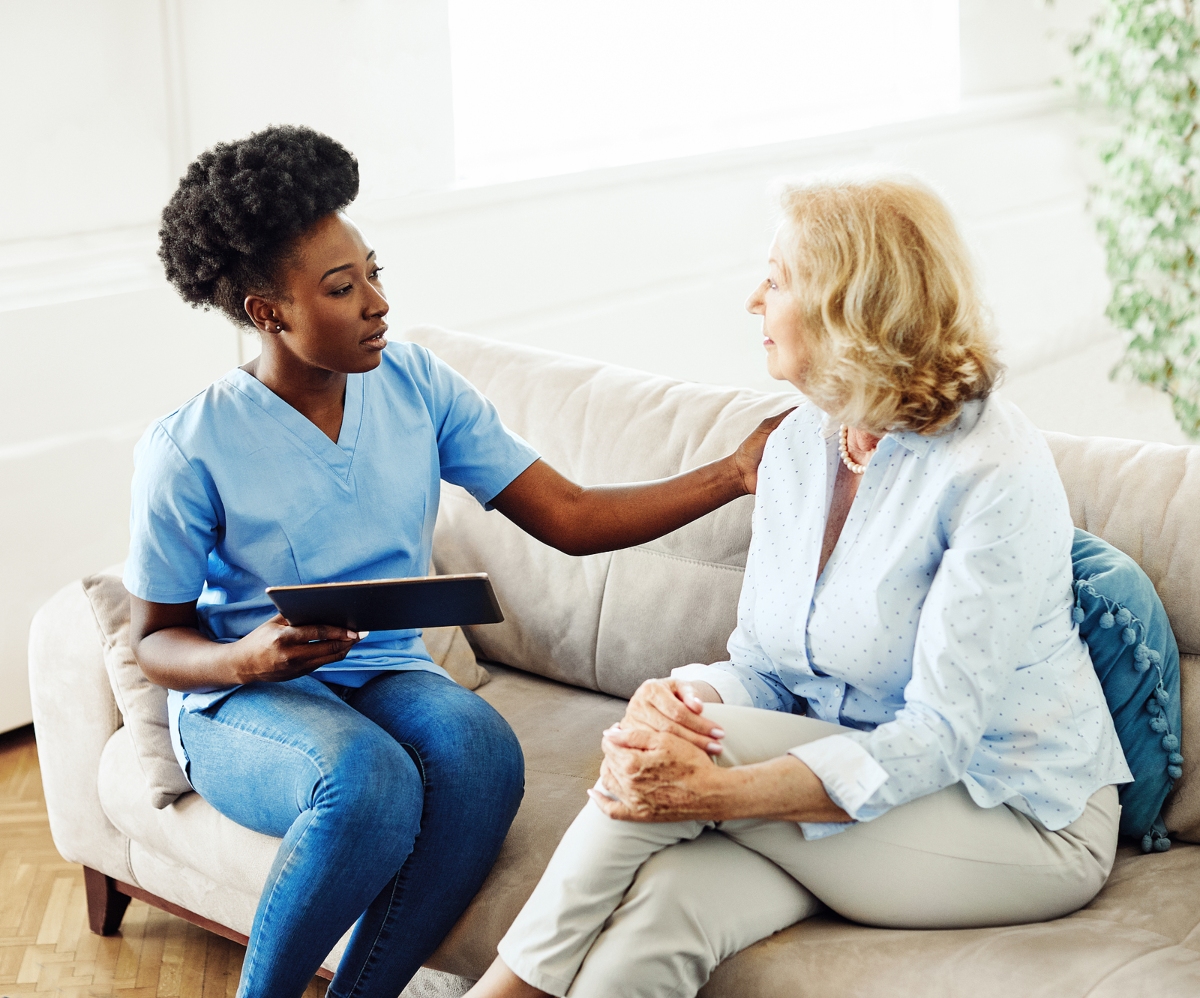
Professional caregivers become trusted companions who understand each senior’s unique needs, preferences, and concerns. This relationship provides emotional support during difficult transitions while offering practical assistance with daily challenges.
The presence of skilled caregivers also provides peace of mind for adult children and other family members who may live far away or have demanding responsibilities of their own. Knowing that their loved one has consistent, professional support allows families to maintain their relationships without the stress of trying to manage all care needs independently.
Elder care services recognize that successful aging in place requires more than just meeting basic needs. By providing comprehensive support that adapts to changing circumstances, these services help seniors maintain their independence, dignity, and quality of life while navigating the inevitable changes that come with aging.
Sources:
https://www.psychologytoday.com/us/basics/aging/caring-aging-loved-ones
https://www.helpguide.org/aging/healthy-aging/staying-healthy-as-you-age
If you or an aging loved one are considering elder care in Littleton, CO, please contact the caring staff at SYNERGY HomeCare of Parker. 303-953-9924