Aging can bring many changes, from physical decline to health concerns to shifts in cognitive abilities. While some of these changes are inevitable, others can be slowed or minimized with the right habits. One factor that families often overlook is the decline that comes from lack of use. Just as muscles weaken when they aren’t exercised, the brain also requires regular activity to stay sharp. For older adults, engaging in activities that stimulate the mind is an important part of maintaining independence and aging well. When seniors spend much of their time at home, having support through companion care at home can make it easier to incorporate these brain-boosting activities into daily life.
Why Regular Brain Exercise Matters
Keeping the brain active is about more than just memory games—it’s about strengthening the mind in the same way physical exercise strengthens the body. Regular mental activity challenges the brain to perform functions such as problem-solving, recalling information, or adapting to new tasks. This stimulation not only sustains current cognitive function but also builds resilience against age-related decline.
For many seniors, incorporating daily mental activities can slow the progression of conditions like dementia or mild cognitive impairment. In fact, brain exercises promote neuroplasticity, or the brain’s ability to form new neural pathways, which supports learning and memory at any age.
Five Types of Brain Activities That Keep Seniors Engaged
Keeping the brain active doesn’t have to be complicated. Even simple activities done regularly can provide important benefits. Here are five ways seniors can maintain brain health:
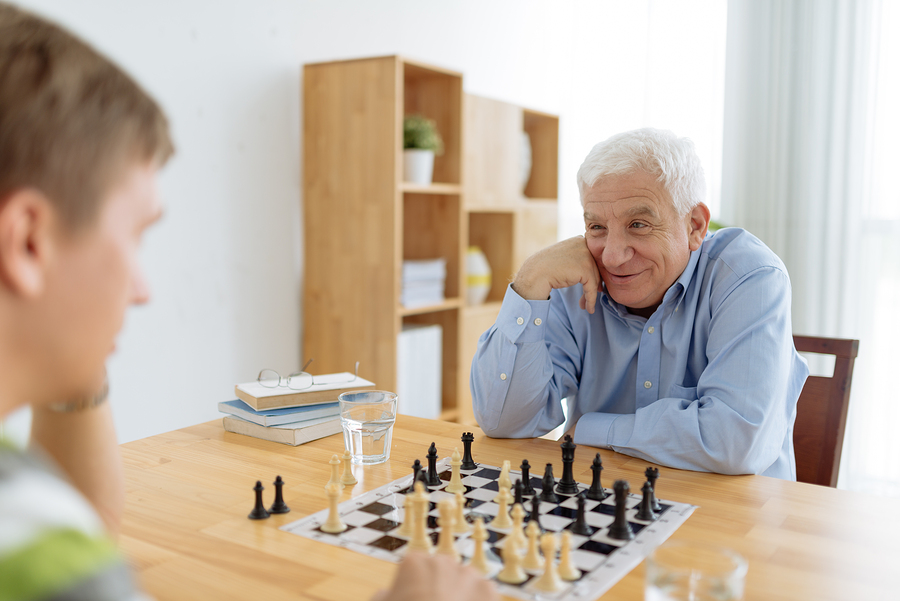
- Playing Games. Nearly any type of game has cognitive benefits. Card games, online games, or even classic board games encourage strategy, memory, and problem-solving. Social games like trivia or word games also add the benefit of interaction.
- Solving Puzzles. Jigsaw puzzles, Sudoku, or crosswords demand focus and recall while strengthening spatial awareness and memory. Completing puzzles also brings a sense of accomplishment, which boosts mood.
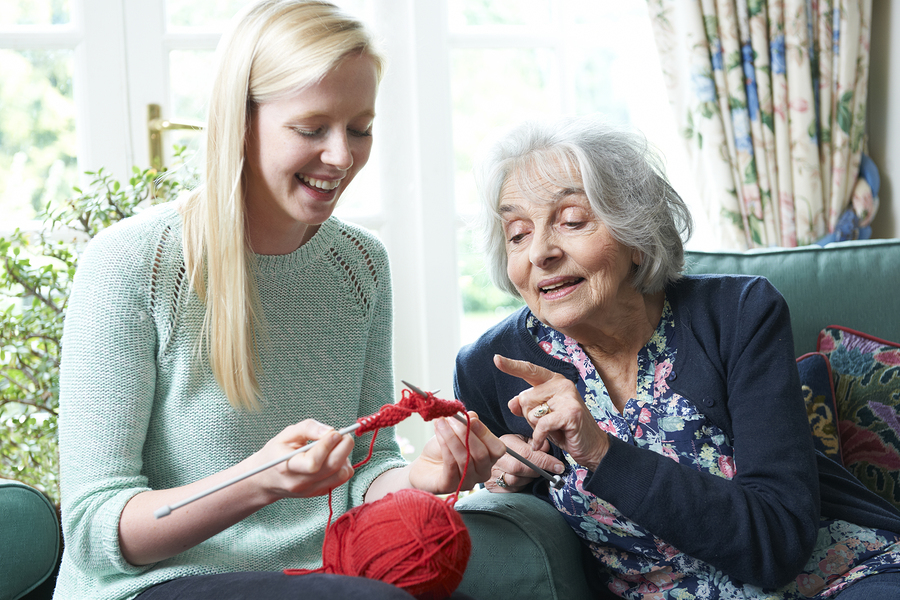
- Learning a New Skill. Whether it’s painting, playing an instrument, or using a new piece of technology, learning keeps the brain flexible. The process of practicing something new challenges the brain to build fresh connections.
- Participating in Physical Activities. Exercise isn’t only for the body. Walking, swimming, or cycling helps improve circulation, which increases oxygen to the brain and supports better mental function.
- Socializing. Conversations require the brain to listen, process information, and respond. Staying connected with others through clubs, phone calls, or group activities helps prevent isolation and keeps the mind active.
Making Brain Exercise a Part of Daily Life
Many brain exercises happen naturally throughout the day. Deciding on a meal, preparing it step by step, and then cleaning up afterward involves planning, sequencing, and memory. Reading the newspaper, watching an educational program, or tackling a household project are all ways to challenge the mind.
Still, building intentional “workouts” into the daily routine is even more effective. Scheduling time for puzzles, a morning walk, or a weekly game night helps ensure that mental exercise becomes a regular habit. These activities not only strengthen the brain but also create moments of joy and purpose.
The Role of Companion Care at Home
When seniors spend much of their time alone, it can be harder to maintain these routines. That’s where companion care at home plays an important role. Having a trusted companion visit regularly provides both social interaction and encouragement to stay engaged. Companions can play games, share in puzzles, or even learn a new skill alongside your loved one. They can also help set up daily activities, encourage walks, or simply provide conversation that stimulates thought and memory.
By filling in gaps where family members may not always be available, companion support ensures that seniors don’t miss out on the activities that help them stay mentally sharp. For many older adults, this support makes the difference between passively passing time and actively engaging in life.
Building a Lifestyle that Supports Brain Health
Cognitive health isn’t maintained by one activity alone. A well-rounded approach that includes mental, physical, and social engagement creates the strongest foundation. Families can support their loved ones by encouraging variety and consistency. Something as simple as alternating between puzzles, walks, and phone calls with friends throughout the week creates steady stimulation without becoming overwhelming.
Just as importantly, these activities bring enjoyment and connection. Brain health is not only about preventing decline—it’s also about living well, finding fulfillment, and maintaining independence for as long as possible.
Final Thoughts
The brain thrives on activity. Seniors who regularly challenge their minds with games, puzzles, social interaction, and new learning opportunities are more likely to stay sharp and independent. Building these activities into daily life requires intention, but the rewards are significant.
With the support of companion care at home, seniors gain encouragement, structure, and companionship that make it easier to keep both the mind and the spirit strong. By taking simple but consistent steps, families can help their loved ones age with dignity, confidence, and vitality.
If you or an aging loved one are considering companion care at home in Castle Pines, CO, please contact the caring staff at SYNERGY HomeCare of Parker. 303-953-9924