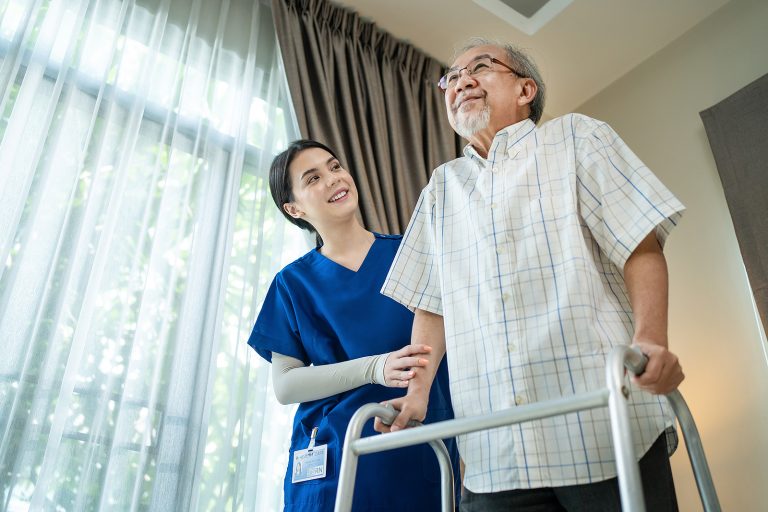
It’s common knowledge that the body undergoes many changes as the years pass by. However, there are some changes that don’t get as much attention as others. One of those is muscle atrophy. This natural process affects millions of seniors worldwide, but with proper understanding and professional support, its impact can be substantially minimized, which is where senior home care comes in.
What Is Muscle Atrophy?
Muscle atrophy refers to the gradual loss of muscle mass and strength that occurs when muscle fibers shrink or deteriorate. While some degree of muscle loss is a normal part of aging—beginning as early as our thirties—the process accelerates significantly after age 65. Seniors can lose between 3–8% of their muscle mass per decade, with the rate increasing even more dramatically after age 75.
This condition doesn’t just affect physical appearance. Muscle atrophy directly impacts a senior’s ability to perform daily activities, maintain balance, and live independently. Simple tasks like climbing stairs, carrying groceries, or even getting up from a chair can become increasingly difficult and dangerous.
The Underlying Causes
Several factors contribute to muscle atrophy in seniors. Decreased physical activity is perhaps the most significant contributor—the “use it or lose it” principle applies strongly to muscle tissue. Hormonal changes, particularly declining testosterone and growth hormone levels, also play an important role. Additionally, chronic conditions common in seniors, such as diabetes, heart disease, and arthritis, can accelerate muscle loss through inflammation and reduced mobility.
Nutritional deficiencies can also be linked to muscle atrophy. Many seniors struggle with adequate protein intake, which is essential for maintaining muscle mass. Poor appetite, dental problems, medication side effects, and social isolation can all contribute to inadequate nutrition.
How Senior Home Care Helps
Senior home care services offer comprehensive solutions to combat muscle atrophy through personalized, in-home support. These services recognize that each senior’s needs are unique and require tailored approaches.
- Physical Activity Support: Home care can suggest safe, appropriate exercise routines designed specifically for seniors. This includes gentle strength training, balance exercises, and flexibility work. Additionally, caregivers can provide motivation, ensure proper form, and adapt activities based on the senior’s current abilities and medical conditions.
- Nutritional Guidance: Professional caregivers can help plan and prepare protein-rich meals that support muscle maintenance. They can assist with grocery shopping, meal preparation, and even feeding when necessary.
- Medication Management: Proper medication adherence is essential for managing underlying conditions that contribute to muscle atrophy. Senior home care can help seniors stay on track with their prescribed treatments, reducing the risk of complications that might worsen muscle loss.
- Encouraging Daily Movement: Beyond structured exercise, home care providers encourage increased daily activity. This might include short walks, household tasks, or simple movements throughout the day that keep muscles engaged and active.
Senior home care provides the personalized attention and professional expertise necessary to effectively address muscle atrophy. With its support, seniors can enjoy benefits that extend far beyond physical strength. For instance, improved muscle mass leads to better balance, reducing fall risk and associated injuries. In addition, enhanced strength helps seniors remain independent, along with boosting confidence and mental health.
Sources:
https://ketteringhealth.org/preventing-and-reversing-muscle-atrophy-as-you-age/
https://my.clevelandclinic.org/health/diseases/22310-muscle-atrophy
https://www.healthline.com/health/muscle-atrophy
If you or an aging loved one are considering senior home care in Larkspur, CO, please contact the caring staff at SYNERGY HomeCare of Parker. 303-953-9924