Brain injuries, also called TBIs or traumatic brain injuries, can occur for so many different reasons. Depending on the severity of the injury, seniors may find that they have to spend some time in the hospital after surgery or simply to recover. During their recovery, seniors and family members may also find that there are some behavior changes that occur related to the TBI. Hospital to home transition care experts can help families understand these behavior changes and find solutions to help.
Trouble Concentrating
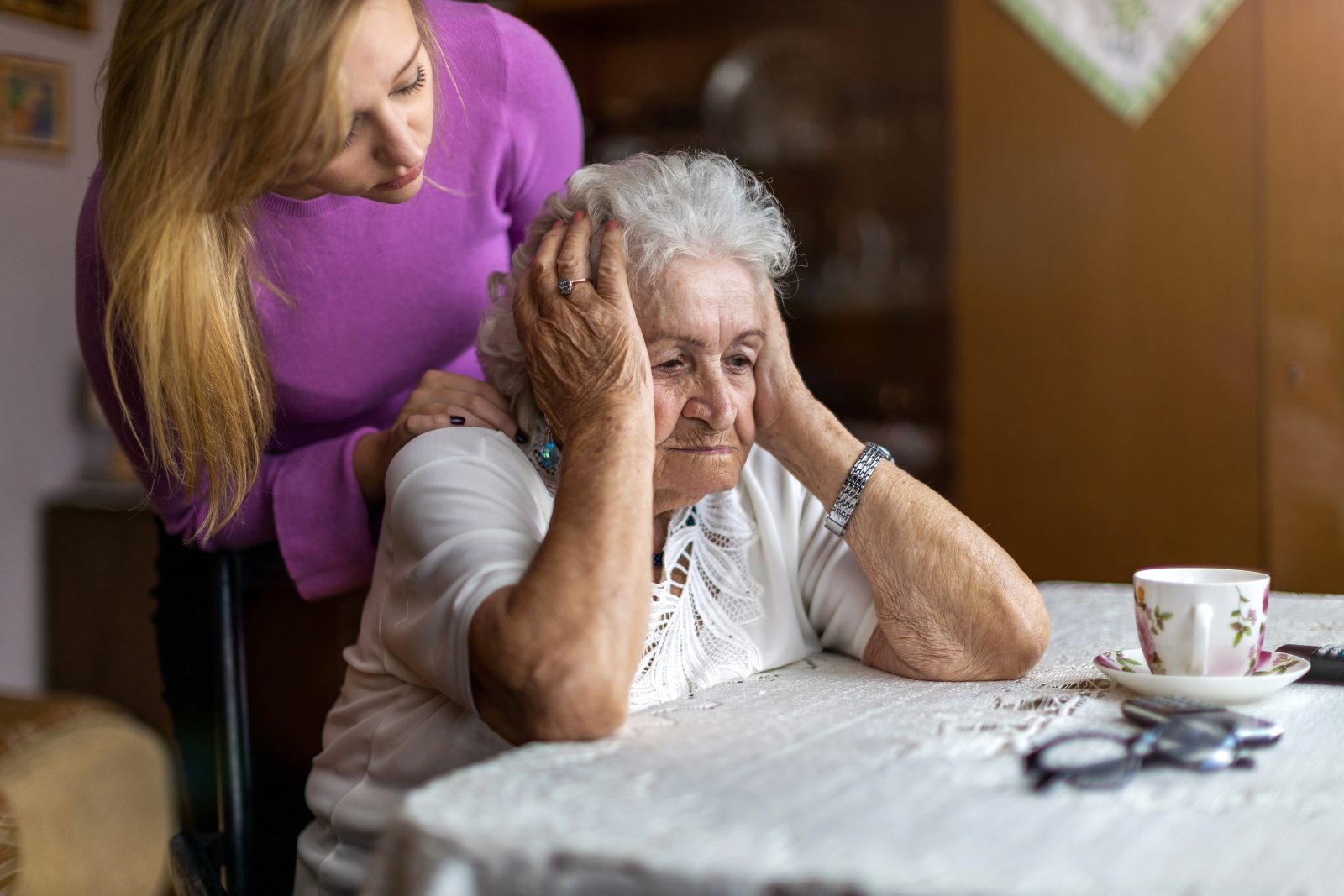
Some brain injuries can leave seniors having trouble concentrating. That could mean that they start to have trouble following conversations or easily get overwhelmed when they encounter new information. This is often frustrating and upsetting, especially when seniors want to get their lives back to normal. Learning how to cope is easier with the right resources, and hospital to home transition experts can help.
Memory Problems
Memory issues can be another change that seniors experience after a TBI. Amnesia, short-term memory loss, or trouble forming new memories may all be an issue to some extent. Sometimes these changes disappear as seniors heal, but there are lots of variables that play a role. Home care services can help seniors to deal with daily challenges and activities.
Personality Changes
Big personality changes can unexpectedly happen after a brain injury. In rare cases, someone may experience a complete personality change that is the opposite of their existing personality. They may be aware or unaware of the changes, which can be difficult for everyone around them to understand and manage.
Emotional Regulation Issues
Volatile emotions, inappropriate emotional responses, and other issues related to emotional regulation can also be a problem. Some of the signs of these emotional issues could include seniors responding differently than expected to stimuli, such as laughing when it doesn’t make sense to do so. They might also experience mood swings that don’t seem to make sense.
Aggression
Aggression after someone sustains a brain injury can also happen. The aggression may occur because of emotional dysregulation or it could occur because of specific triggers. Understanding those triggers can help seniors avoid situations where they’re more aggressive than they want to be. Sometimes the aggression is related to memory issues or concentration trouble, since these issues can be so very frustrating to experience.
Empathy Issues
Because of the various changes seniors experience after a brain injury, they may have more trouble feeling or expressing empathy for others. They might seem more demanding or have more trouble thinking about how actions might impact other people around them. This isn’t a deliberate action, but an aftereffect of the brain injury.
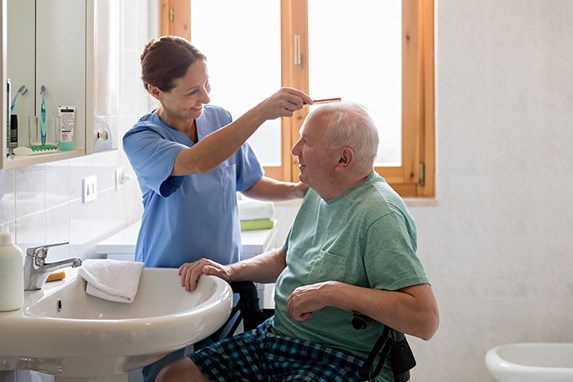
Coming home from the hospital is a chance for seniors recovering from a brain injury to relax and continue to heal in a comfortable and familiar setting. But it can also feel overwhelming if seniors experience changes to their personalities and abilities. Hospital to home care experts can help families learn more about these changes and find solutions that might help, like elder care services, therapy, and respite care assistance.
If you or an aging loved one are considering hospital to home care in Lone Tree, CO, please contact the caring staff at SYNERGY HomeCare of Parker. 303-953-9924