Social wellness is just as important to overall health as physical or emotional well-being. It’s often the piece that gets overlooked as people age in place. Staying connected to other people supports mood, cognitive health, and a general sense of belonging that can be easy for seniors to lose as their social circles naturally shrink. Companion care at home is built specifically around helping seniors to maintain their social wellness, day in and day out.
What Is Social Wellness?
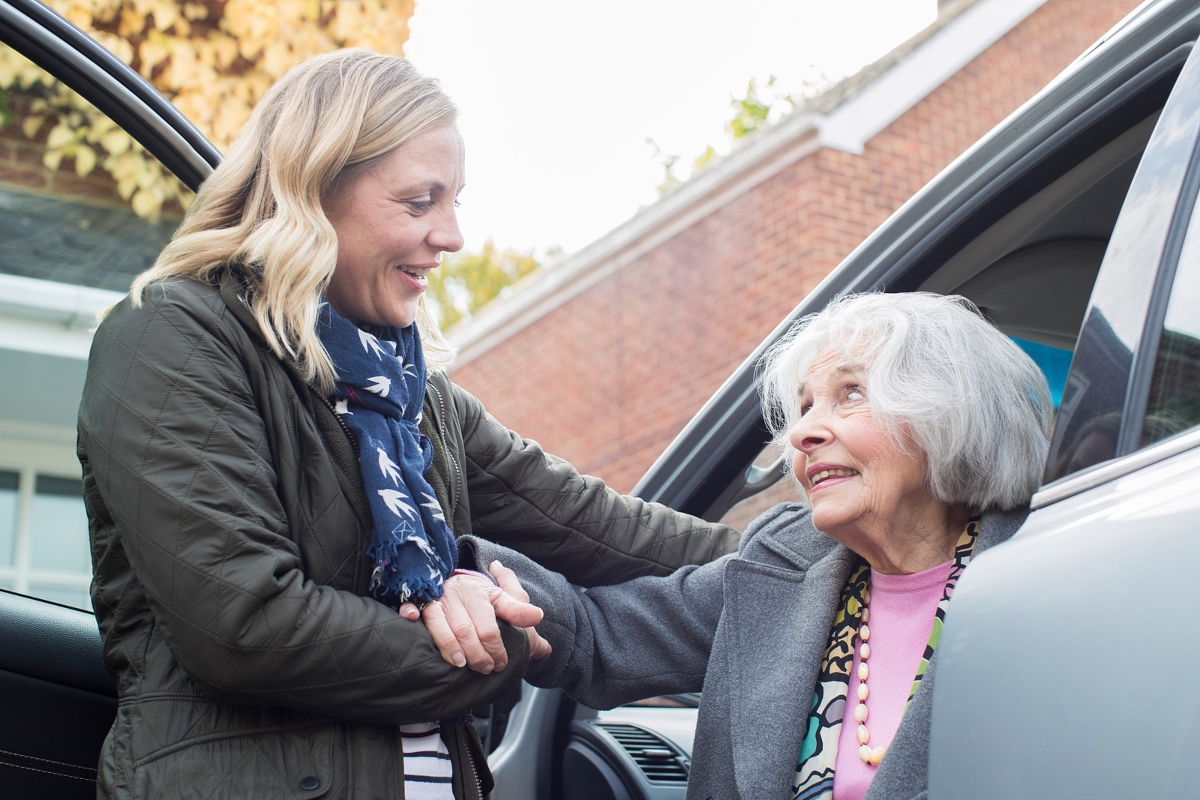
The term social wellness refers to the quality and consistency of a person’s relationships and interactions with other people. It doesn’t necessarily mean that seniors are always out and about or attending events constantly. Social wellness does include meaningful conversations, shared activities, and a sense of being understood by the people around them. Companion care at home focuses on building genuine connections with the seniors who need help.
Social Wellness and Physical Health
Seniors with strong social connections with other people in their lives tend to have better physical health outcomes, including lower rates of some chronic conditions. They’re also more likely to have improved recovery times after illnesses. Isolation has been linked to negative effects on physical health, sometimes even contributing to significant health issues. Home care providers can help to protect against these types of issues by offering consistent, reliable interactions that seniors can count on.
Supporting Emotional Balance
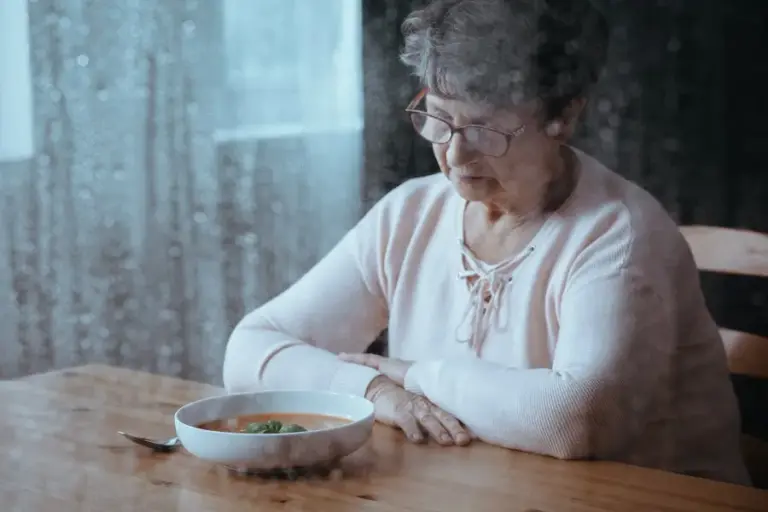
Regular social contact helps to regulate moods for aging adults. It can also help to reduce symptoms of anxiety and depression that become more common with age. When seniors live alone, they’re especially vulnerable to isolation and the side effects that come with it. Companion caregivers can customize their interactions with seniors to match their interests and preferences, which helps to support emotional stability.
Keeping the Brain Engaged
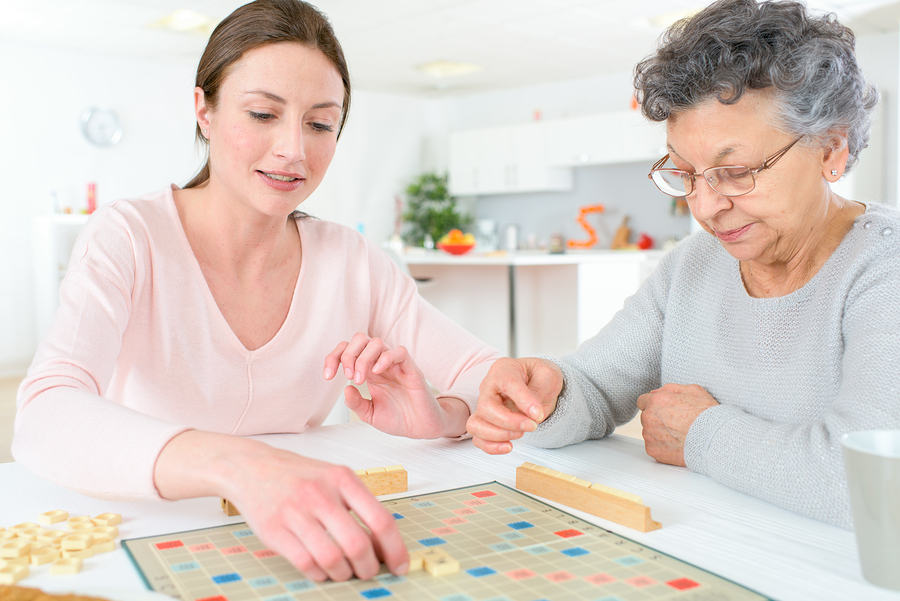
Conversations, telling stories, and sharing activities with someone else all provide mental stimulation that helps with brain health over time. These types of activities keep the brain engaged and active in ways that time alone can’t duplicate for aging adults. Companion care at home keeps engagement interesting and enjoyable for aging adults. Interactions don’t end up feeling stale or repetitive, because companion caregivers work to keep social interactions meaningful and fresh.
Building Social Wellness Into Everyday Life
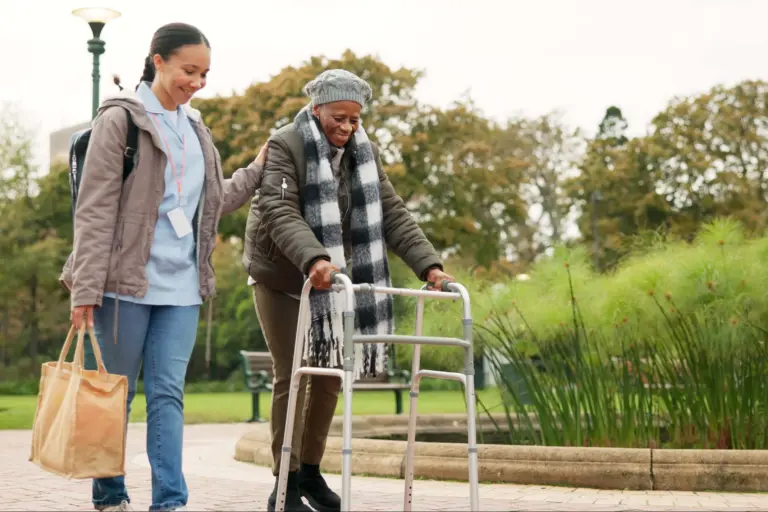
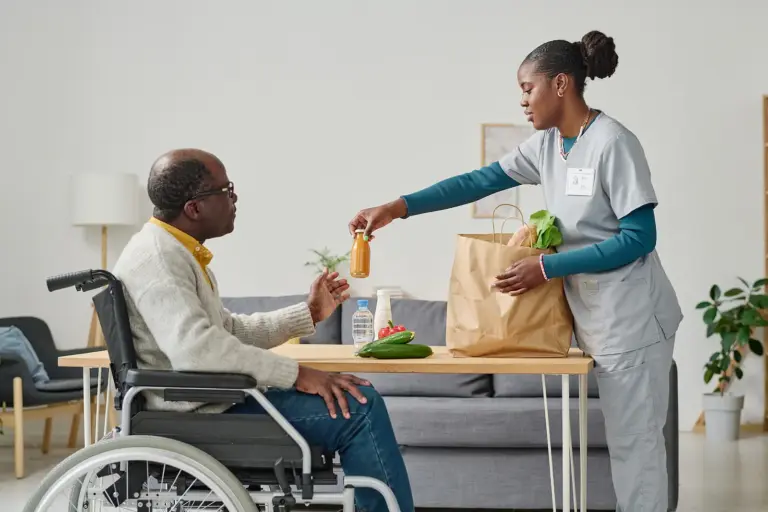
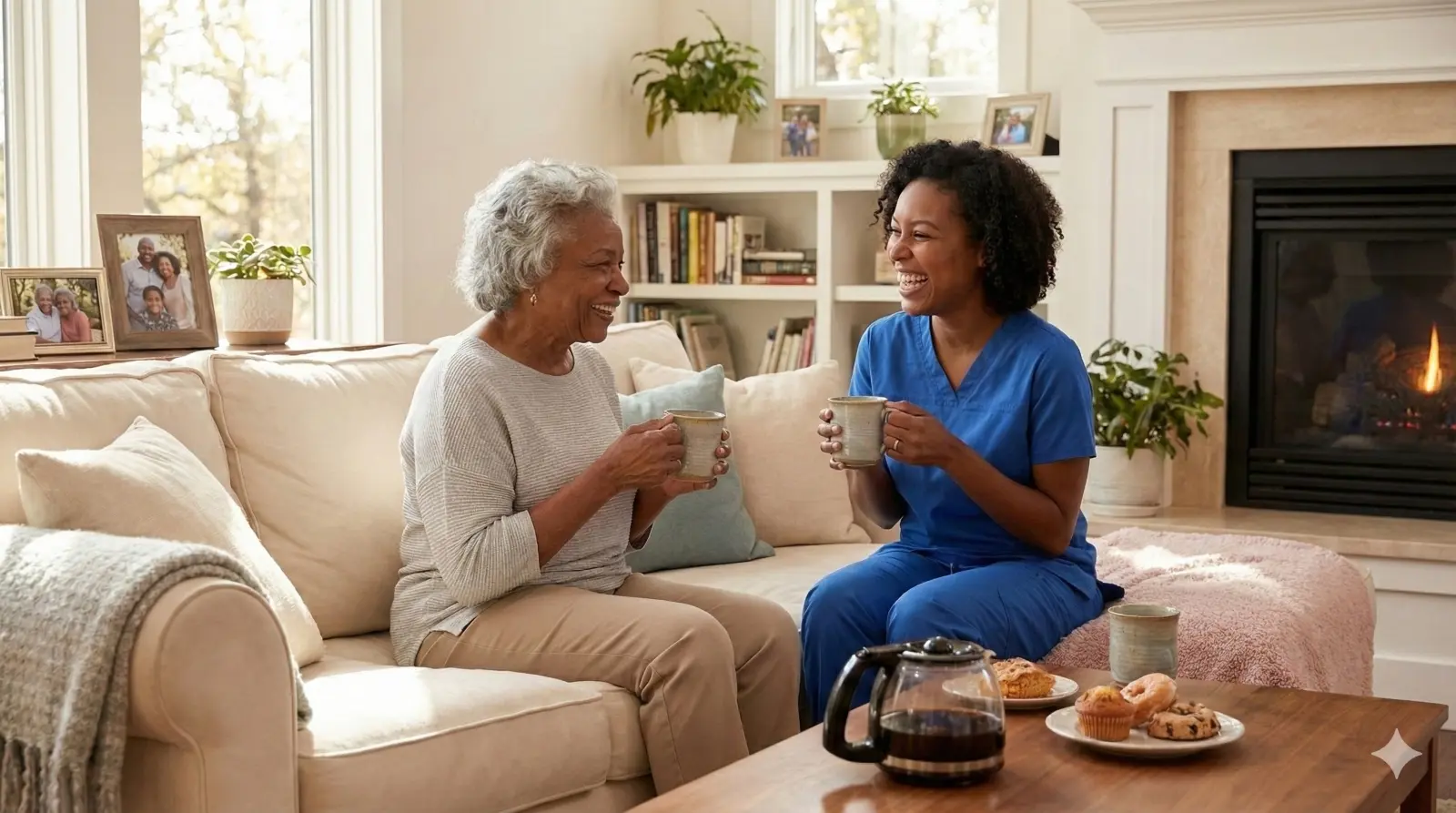
Social wellness doesn’t have to mean big events or frequent outings. It’s something that can be built into everyday moments like sharing a meal with seniors, having a conversation over tea, or taking a walk around the neighborhood. Companion care at home can help to make these small moments a consistent part of a senior’s week, instead of something that happens only once in a while.
Social wellness is another pillar of good health, not an optional aspect that families can ignore. It becomes even more important as seniors age in place and their social interactions change over time. Companion care at home helps families to have additional options to make sure that seniors get the social interactions and engagement they need to remain healthier on multiple levels.
If you are considering companion care at home in Littleton, CO, for an aging loved one, please contact the caring staff at SYNERGY HomeCare of Parker. 303-953-9924