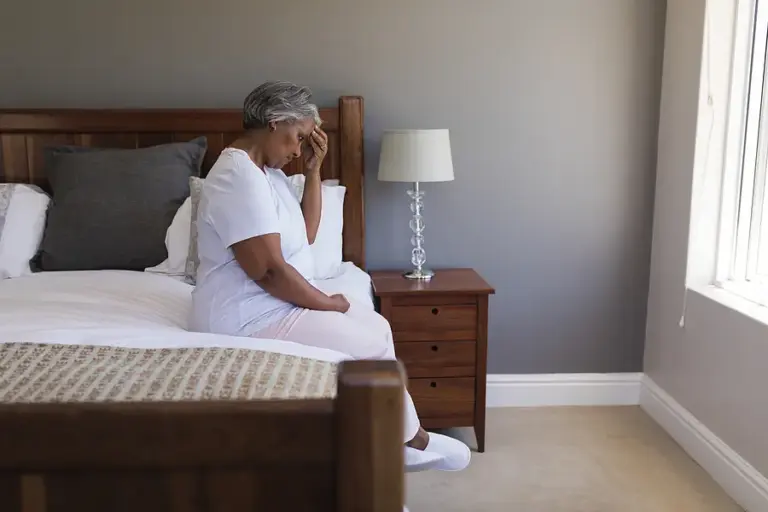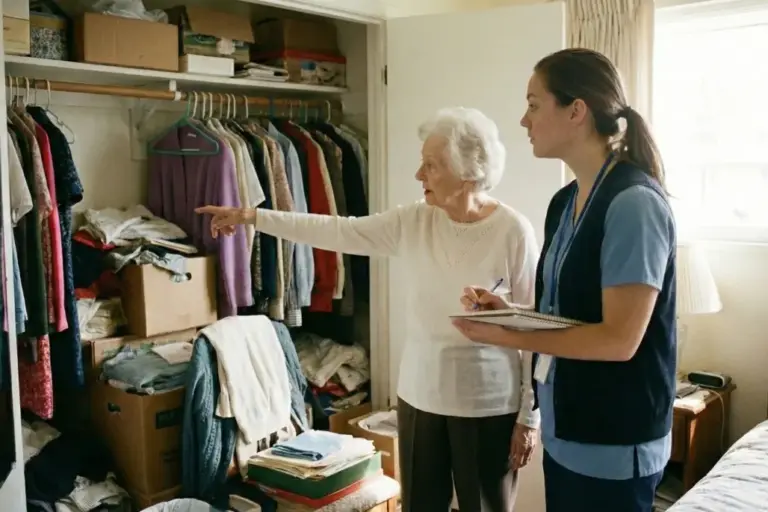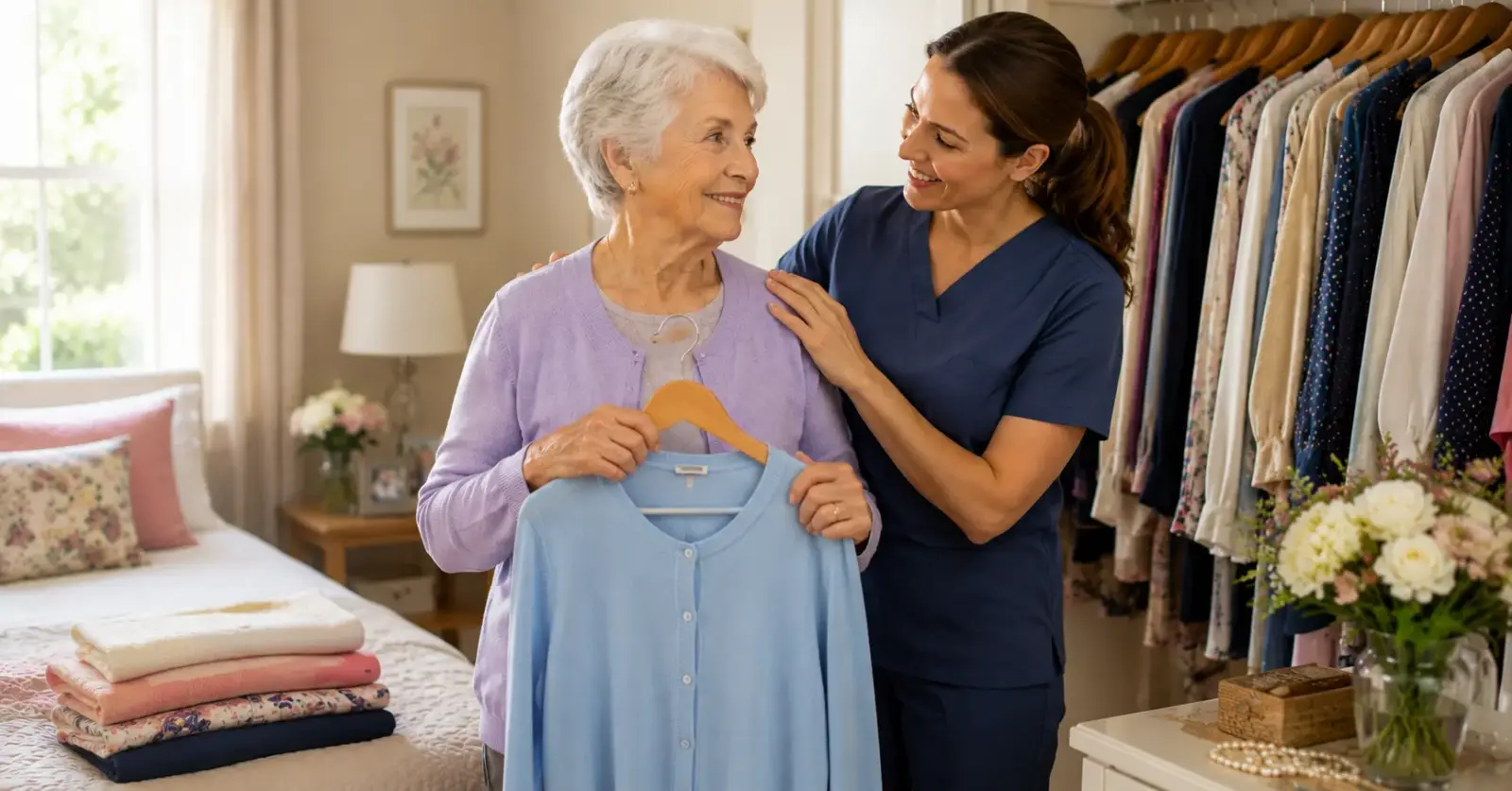
A parent’s closet can reveal changes long before the family hears a direct request for help. Favorite blouses stay on the hanger, polished shoes are replaced by slippers, and clothing choices become limited to whatever is easiest to put on. Personal care at home can help when dressing has become physically difficult, allowing older adults to keep expressing their style instead of quietly giving up the clothes that once made them feel like themselves.
Families may first interpret the change as a new preference. Comfort matters more with age, and there is nothing wrong with choosing simpler clothing. The concern arises when the senior still likes certain outfits but no longer wears them because buttons, zippers, sleeves, shoes, or undergarments have become too challenging.
Clothing Is Connected to Identity
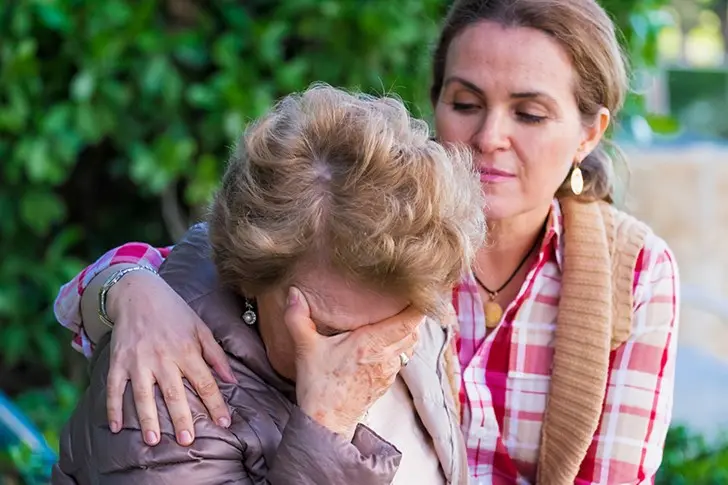
What people wear often reflects personality, habits, culture, and the roles they have held throughout life. A parent may have always dressed neatly for church, worn a favorite color for family gatherings, or taken pride in matching shoes and accessories. When physical limitations interfere, the loss can feel more personal than the family realizes.
The senior may not say, “I cannot fasten this anymore.” They may simply stop choosing the item. Over time, the closet remains full while daily clothing becomes increasingly limited.
The Hidden Work of Getting Dressed
Dressing requires balance, flexibility, grip strength, coordination, and endurance. Pulling a shirt over the head demands shoulder movement. Fastening a bra, belt, or button requires fine motor control. Putting on pants may involve standing on one foot or bending farther than feels safe.
Common challenges include:
– Arthritis making buttons, hooks, and zippers painful to manage.
– Shoulder limitations making sleeves or overhead clothing difficult.
– Swelling changing how shoes or familiar garments fit.
– Balance concerns making lower-body dressing feel unsafe.
– Fatigue turning the entire routine into an exhausting process.
These difficulties can develop gradually, allowing the senior to adapt without discussing them.
Convenience Can Slowly Replace Choice
When dressing becomes hard, the person may choose the same loose outfit repeatedly. The clothes are not necessarily their favorites; they are simply the least demanding. This practical adaptation can reduce frustration, but it may also affect confidence and willingness to go out.
A parent who does not feel comfortably dressed may decline invitations, avoid photographs, or stop attending activities where appearance once mattered to them. The family may see withdrawal without realizing that the barrier begins in the bedroom closet.
Ask About the Clothes They Miss
Conversations about dressing can feel intrusive if they focus on what the parent is wearing wrong. A more respectful approach is to ask about preferences. “You always loved that blue jacket. Is it still comfortable?” may open a useful discussion without criticism.
The answer could reveal that the zipper is difficult, the sleeves are hard to manage, or the shoes that complete the outfit no longer feel secure. Once the specific barrier is understood, the family can look for support or adaptations that preserve the overall style.
Assistance Should Preserve Choice
Personal care is most respectful when the senior continues making decisions. The caregiver can offer clothing options, help with the physically difficult steps, and allow the person to complete whatever parts they can manage independently.
Personal care at home may include help with:
– Selecting clothing appropriate for the day and the senior’s preferences.
– Managing fasteners, sleeves, socks, shoes, or compression garments.
– Dressing safely while seated when balance is limited.
– Organizing the closet so favorite items are easier to reach.
– Completing grooming routines that help the person feel fully prepared.
The goal is not to dress the senior according to someone else’s taste. It is to make personal choice possible again.
Adaptive Clothing Does Not Have to Look Clinical
Families may assume easier clothing means giving up style. Many garments are available with simplified fasteners, wider openings, elastic features, or other adaptations that are not obvious to others. A tailor may also be able to modify a favorite item while preserving its appearance.
The best solution depends on the person. Some seniors prefer adapted clothing, while others want assistance with the wardrobe they already own. The important point is to avoid replacing everything without involving them in the decision.
A Better Dressing Routine Can Change the Day
When getting dressed is less tiring, seniors may have more energy for breakfast, appointments, visitors, or hobbies. They may also feel more willing to leave the house because they are wearing clothes that feel familiar and appropriate.
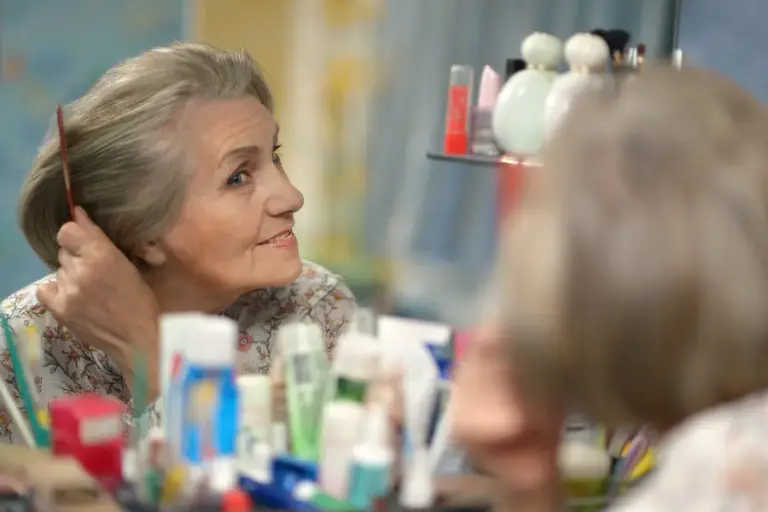
Families often notice an emotional difference. The parent may stand a little taller, smile at their reflection, or show more interest in an upcoming event. These responses are not superficial. They reflect renewed comfort and control.
Respect Privacy While Offering Help
Dressing is personal, and some seniors feel embarrassed accepting assistance from family members. Professional caregivers can provide support with discretion and routine, allowing adult children to step away from a role that may feel uncomfortable for everyone.
A caregiver should explain what they are doing, ask permission, and avoid rushing. The senior should have as much privacy and participation as safely possible. Trust grows when assistance feels collaborative rather than controlling.
The Closet Can Become a Place of Possibility Again
Aging may change how someone gets dressed, but it does not erase personal style. When families notice that favorite clothes are disappearing from daily life, the answer is not always to simplify the wardrobe further. Sometimes the person needs help accessing the choices they still care about.
Personal care at home can remove the physical barriers that make dressing frustrating while preserving dignity, identity, and independence. The result is about more than clothing. It helps an older adult continue recognizing themselves in the mirror and feeling prepared to take part in the day.
If you are considering personal care at home in Castle Rock, CO, for an aging loved one, please contact the caring staff at SYNERGY HomeCare of Parker. 303-953-9924