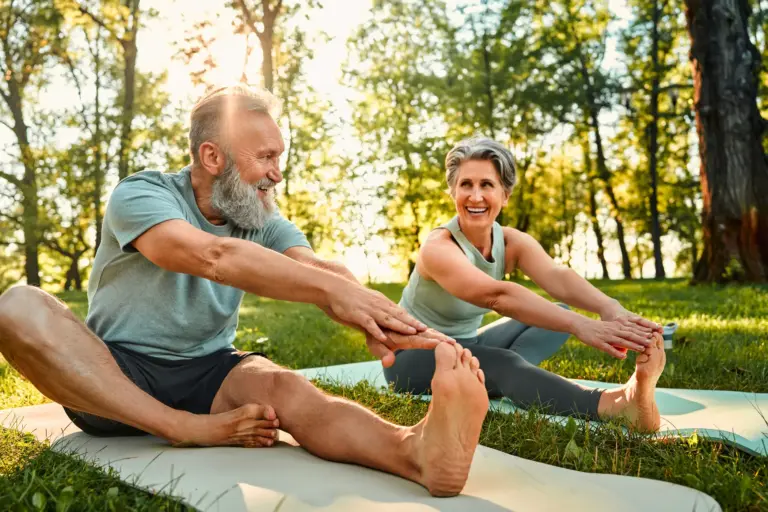
For many older adults, the word “exercise” can feel intimidating. It may bring up memories of routines they can no longer do or expectations that no longer feel realistic. But movement in later life doesn’t have to look like structured workouts or rigid plans. In fact, redefining exercise can make it more approachable, more enjoyable, and far more sustainable.
Instead of focusing on what used to be possible, the conversation is shifting toward what is possible—right now, in ways that feel safe, natural, and even enjoyable.
Letting Go of the Old Definition of Exercise
For years, exercise has often been framed in clinical or performance-based terms. It’s been associated with goals like improving strength, preventing falls, or maintaining certain health metrics. While those outcomes are important, the framing can unintentionally make movement feel like an obligation or even a burden.
When exercise feels like something you have to do, it’s easy to avoid it altogether. And for seniors navigating physical limitations, chronic conditions, or fatigue, traditional ideas of exercise can feel out of reach.
Redefining exercise means removing that pressure. Movement doesn’t need to be intense, structured, or measured to be meaningful.
Making Movement More Realistic
Exercise for seniors should reflect real life—not idealized routines. That means recognizing limitations without letting them become barriers.
Movement can be:
- Slow instead of fast
- Supported instead of independent
- Short instead of prolonged
- Gentle instead of strenuous
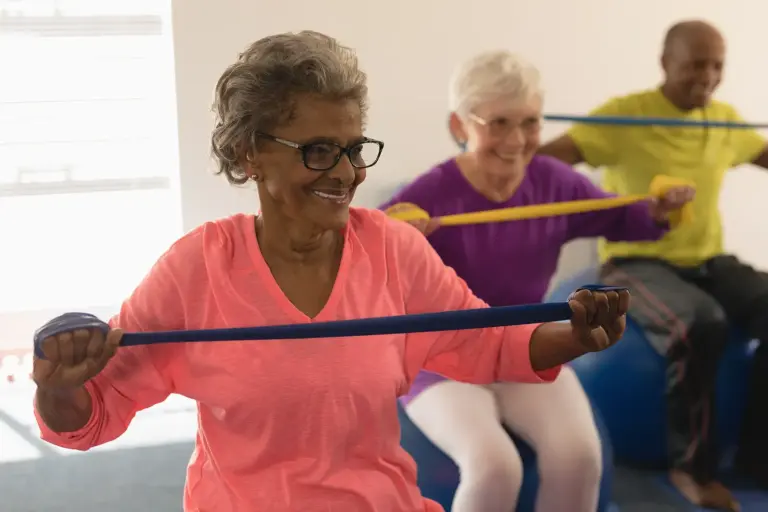
A few minutes of stretching in a chair, standing up and sitting down with support, or walking across the room multiple times throughout the day all count. These small, realistic efforts are not only safer but also more sustainable over time.
Creative Ways to Stay Active Without “Exercising”
One of the most effective ways to redefine exercise is to stop calling it exercise altogether. Movement can be woven into everyday moments in ways that feel natural and even enjoyable.
Some simple, creative approaches include:
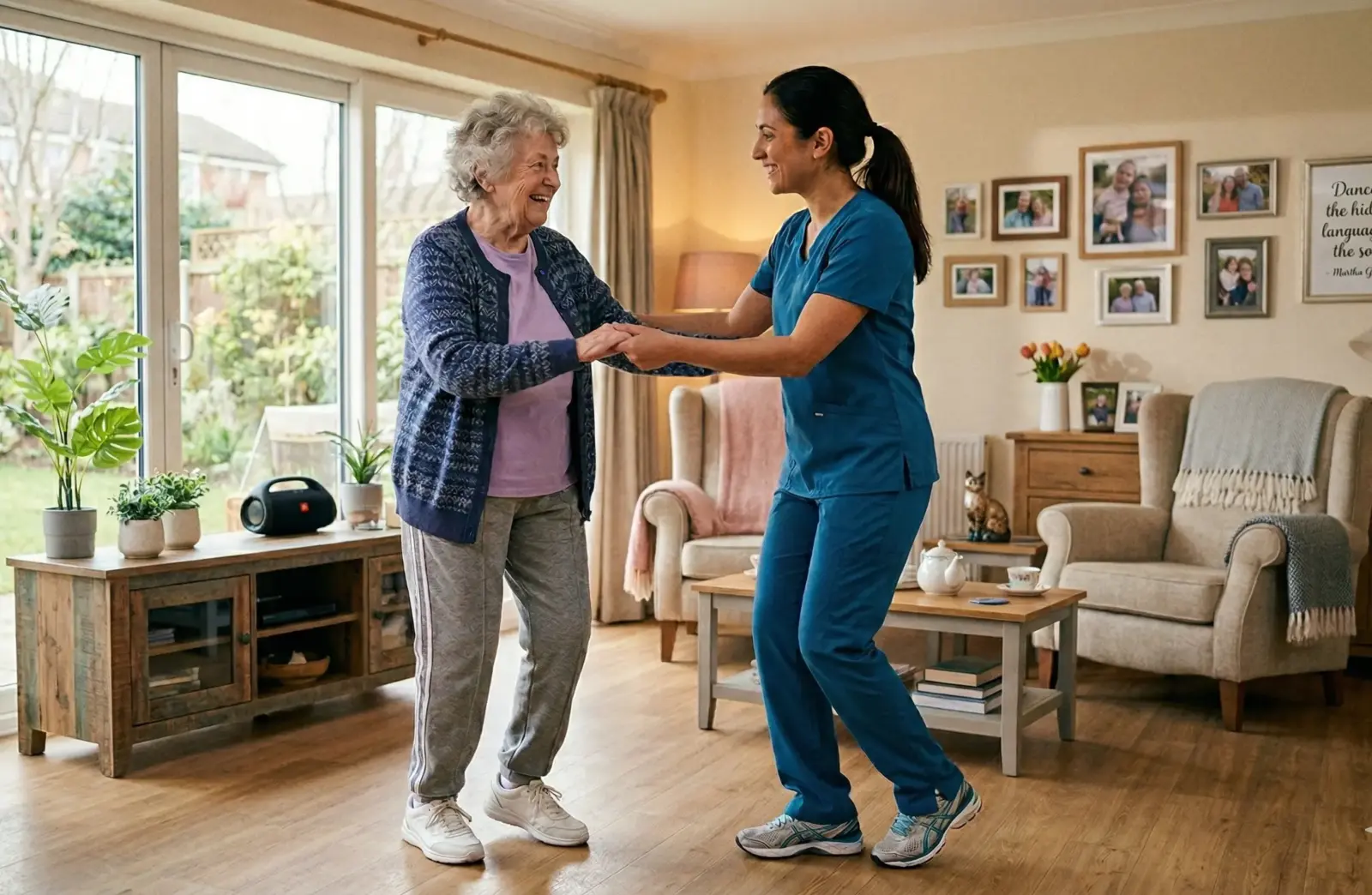
- Turning music into movement: Swaying, tapping feet, or lightly dancing to a favorite song
- Incorporating movement into routines: Stretching while watching TV or standing during commercial breaks
- Engaging in hobbies: Gardening, folding laundry, or light tidying all involve physical activity
- Walking with purpose: Moving through the house, checking the mail, or stepping outside for fresh air
- Playing with pets or grandchildren: Gentle, interactive movement that feels more like connection than exercise
These activities don’t require special equipment or formal instruction. They simply encourage the body to keep moving in ways that feel comfortable.
The Role of Elder Care: Support, Not Structure
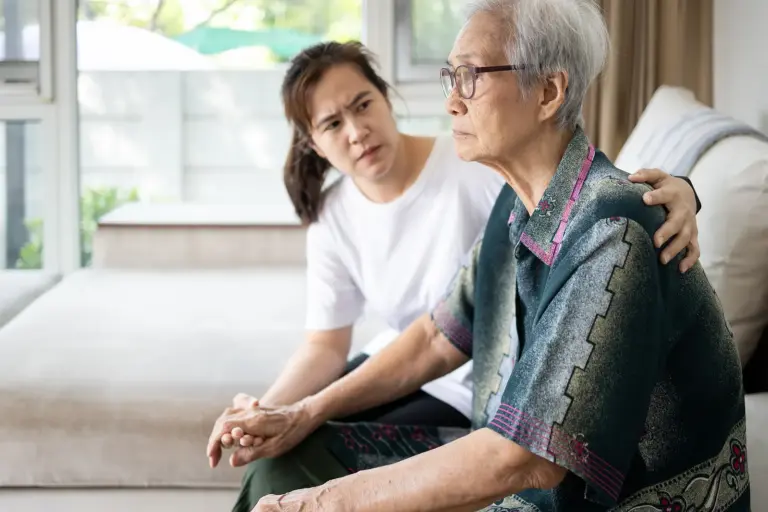
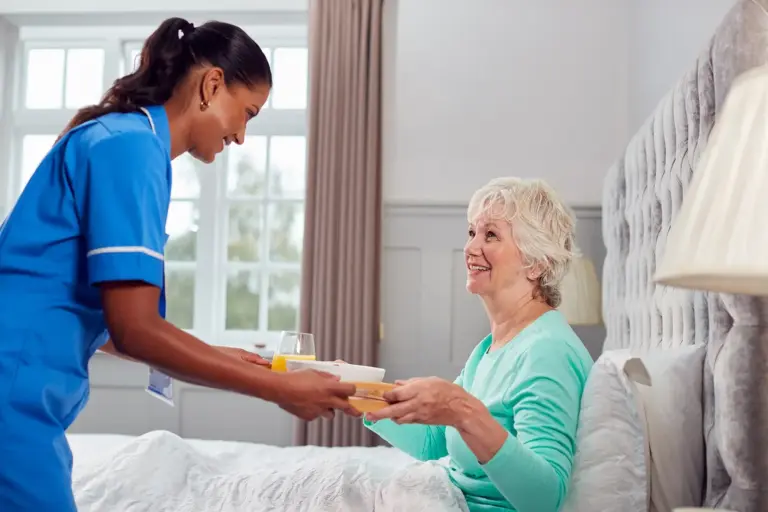
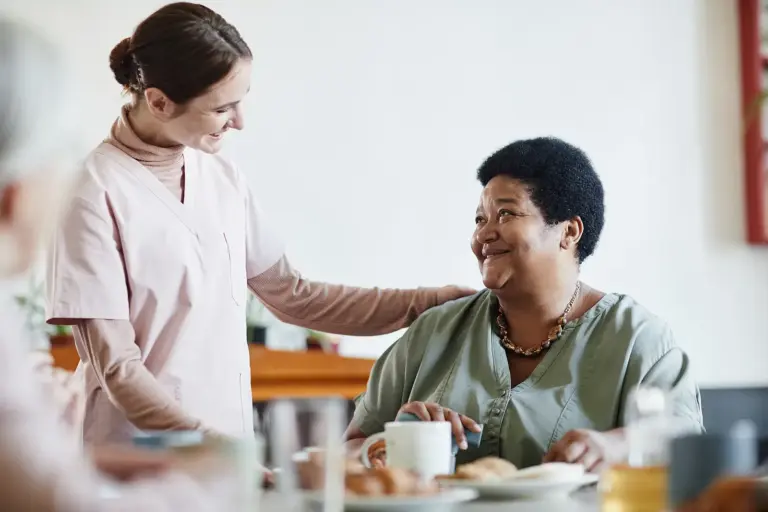
Elder care plays an important role in helping seniors stay active—but not by acting as fitness instructors or creating structured exercise plans.
Instead, caregivers provide something far more valuable: a safety net.
They help ensure that movement happens safely, offering:
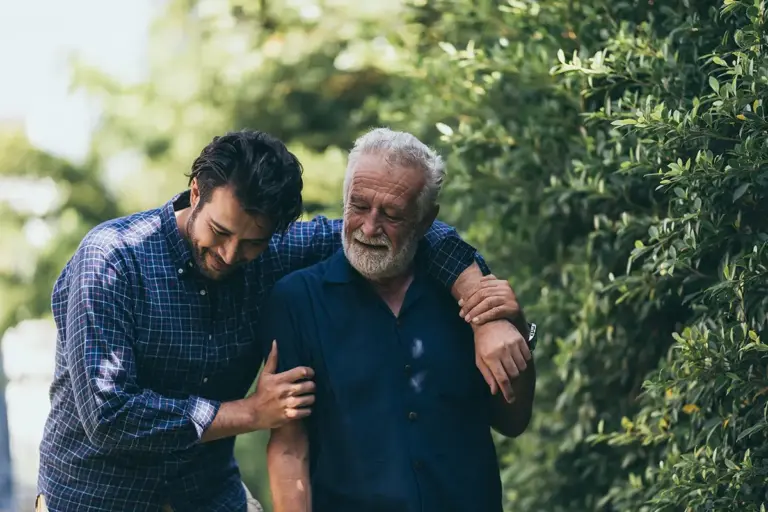
- A steady presence to prevent falls
- Gentle reminders to change positions or take short walks
- Assistance with balance during everyday activities
- Encouragement without pressure
Rather than directing or managing exercise, caregivers support seniors in moving at their own pace. Their role is to make movement feel possible, not prescribed.
Encouragement Through Companionship
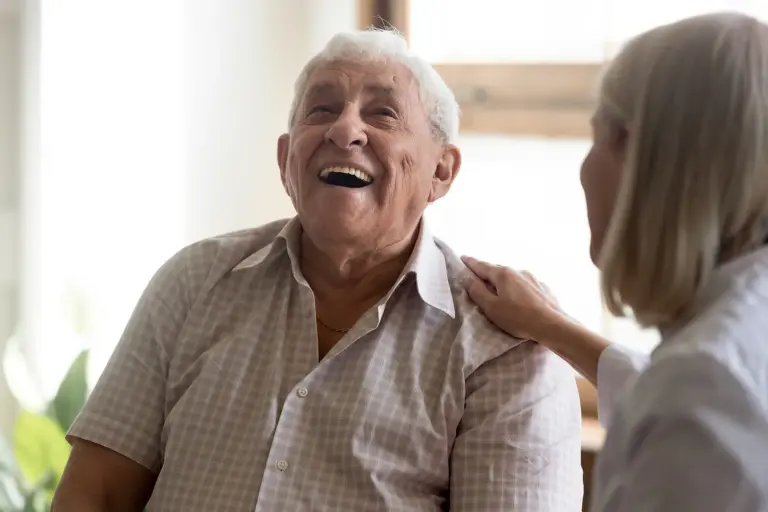
One of the biggest barriers to staying active is simply feeling alone. Movement becomes much easier—and more enjoyable—when it’s shared.
Companionship transforms activity from a task into a moment of connection. A short walk becomes a conversation. Light stretching becomes part of a daily routine shared with someone else. Even standing up and moving around the room feels easier when someone is there for support.
This kind of encouragement is subtle but powerful. It helps seniors stay engaged without feeling pushed or overwhelmed.
Focusing on What’s Possible
Perhaps the most important shift in redefining exercise is changing the mindset around ability.
Instead of focusing on limitations or comparing the present to the past, the emphasis becomes:
What feels good today
What feels safe
What brings a sense of accomplishment
Even the smallest movements matter. A few extra steps, a gentle stretch, or a moment of standing instead of sitting can all contribute to overall well-being.
When seniors are supported and encouraged in what they can do, confidence naturally grows. And with confidence comes a greater willingness to keep moving—not out of obligation, but because it feels good.
A New Perspective on Movement
Exercise doesn’t have to be formal to be effective. It doesn’t have to be difficult to be meaningful. And it certainly doesn’t have to look the same as it once did.
By redefining exercise as simple, safe, and integrated into everyday life, seniors can stay active in ways that feel realistic and empowering. With the right support and encouragement, movement becomes less about meeting expectations—and more about maintaining independence, comfort, and quality of life.
Sources:
https://www.mindful.org/5-ways-to-make-exercise-less-boring/
https://www.cdc.gov/physical-activity-basics/health-benefits/older-adults.html
https://www.ncoa.org/article/the-life-changing-benefits-of-exercise-after-60/
If you or an aging loved one needs elder care in Castle Pines, CO, please contact the caring staff at SYNERGY HomeCare of Parker. 303-953-9924