It’s amazing how many ways not getting enough sleep can affect a person’s well-being. While adequate sleep is important for everyone, it’s especially crucial for older adults who rely on rest to stay physically strong, emotionally balanced, and mentally sharp. For families who are already using senior home care services, building healthy sleep habits is a key part of maintaining quality of life.
Why Sleep is Important for Seniors
Sleep plays a powerful role in how your elderly loved one functions day to day. A good night’s sleep improves physical energy, helps regulate emotions, and supports healthy brain activity. Without it, seniors may find even simple daily routines more difficult to manage.
- Cognitive benefits: During sleep, the brain organizes and stores memories, processes information, and solves problems. Seniors who sleep well are better able to recall important details, make decisions, and maintain independence.
- Emotional benefits: Adequate rest reduces stress and helps regulate mood. Poor sleep, on the other hand, can contribute to irritability, anxiety, or even depression.
- Physical benefits: Restful sleep gives the body time to repair and restore. Consistent sleep lowers the risk of chronic conditions such as diabetes, heart disease, and obesity. Research also suggests that quality sleep may help protect against age-related memory loss and dementia.
Six Common Causes of Insomnia in Seniors
Unfortunately, sleep doesn’t come easily for everyone. Many seniors struggle with recurring bouts of insomnia. Below are six common reasons older adults may not sleep well at night:
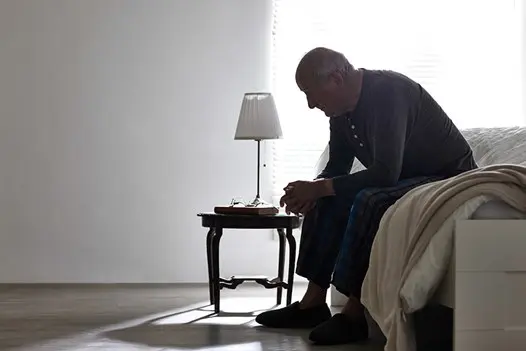
- Pain and discomfort. Arthritis, neuropathy, and other chronic conditions can make it difficult to fall or stay asleep. Unmanaged pain often leads to restless nights.
- Medication side effects. Some prescriptions interfere with sleep cycles. Seniors may feel groggy during the day and overly alert at night, creating an unbalanced rhythm.
- Stress. Concerns about health, finances, or family can weigh heavily on seniors, keeping them awake with worry.
- Depression. While some people oversleep when depressed, others struggle with insomnia. Depression may also reduce daytime activity, leaving the body less ready for rest.
- Uncomfortable sleep environment. Too much light, noise, or even an old mattress can interrupt sleep. Creating a calm and comfortable bedroom is essential.
- Staying home too much. Social isolation and lack of physical activity contribute to poor sleep. Regular outings, fresh air, and natural sunlight help regulate the body’s sleep-wake cycle.
Preparing for Better Sleep Long Before Bedtime
Improving sleep often starts with daily routines. Many of the causes of insomnia can be prevented—or at least improved—by adjusting habits during the day. Here are some simple but effective strategies:
- Stay active. Encourage light exercise, such as walking, stretching, or chair yoga. Movement during the day helps the body feel naturally ready for rest at night.
- Create a bedtime routine. Gentle activities like reading, listening to calming music, or drinking a warm, non-caffeinated beverage can signal the body that it’s time to wind down.
- Limit naps. While short naps may help with fatigue, long or late-afternoon naps can make nighttime sleep harder.
- Monitor caffeine and sugar intake. Too much stimulation close to bedtime can prevent deep sleep.
How Senior Home Care Can Support Better Sleep
Making lifestyle changes can feel overwhelming for some seniors, but this is where professional help makes a difference. A senior home care provider can:
- Provide transportation to social outings, exercise classes, or medical appointments that promote physical and emotional wellness.
- Assist with medication reminders to help seniors take prescriptions at the right time, reducing the chance of disrupted sleep patterns.
- Offer companionship. Having someone to talk with during the day eases loneliness and lowers stress, which can lead to better rest.
- Encourage daily routines. Caregivers can gently reinforce healthy habits such as meal schedules, physical activity, and relaxation rituals before bedtime.
- Create a restful environment. Assistance with tasks like adjusting lighting, arranging pillows, or setting up white noise can make a big difference in comfort.
When seniors have support in place, they are more likely to feel secure, calm, and ready for quality sleep each night.
The Bigger Picture: Sleep as Part of Overall Wellness
Good sleep doesn’t exist in isolation—it’s part of a larger picture of health. Seniors who rest well often have more energy to engage in hobbies, connect with family, and maintain independence. In contrast, chronic insomnia can create a cycle of fatigue, stress, and declining health that becomes harder to break.
Families who notice persistent sleep problems in an elderly loved one should consider talking with a doctor to rule out medical conditions, reviewing medications for possible side effects, and working with a trusted senior home care provider to make positive daily changes.
Final Thoughts
Sleep is far more than just “rest.” For seniors, it is the foundation of mental clarity, emotional balance, and physical health. By identifying the root causes of insomnia and making intentional lifestyle adjustments, older adults can enjoy longer, more restful nights. With the added support of compassionate caregivers, better sleep—and better days—are within reach.
If you or an aging loved one are considering home care assistance in Castle Rock, CO, please contact the caring staff at SYNERGY HomeCare of Parker. 303-953-9924