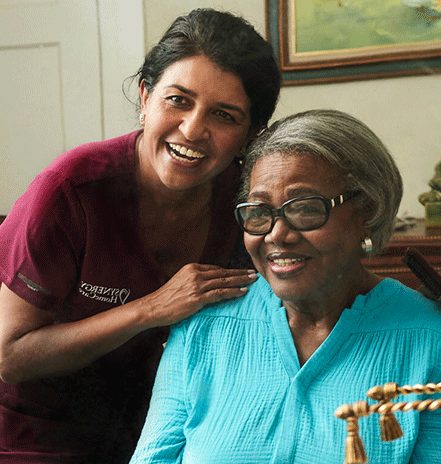
Deciding to transition a loved one into memory care is never easy. For many Santa Monica families, it comes after months or even years of dedicated caregiving. The decision often brings a mix of emotions including relief, guilt, uncertainty, and hope.
Whether you are considering in-home memory care or a more structured care setting, having a clear plan can make the process smoother and less overwhelming.
At SYNERGY HomeCare of Santa Monica, we help families navigate memory care transitions with compassion, clarity, and personalized support.
Step 1: Recognize When Additional Support Is Needed
The first step is acknowledging that your loved one’s needs may have progressed beyond what you can safely manage alone.
Signs that memory care support may be necessary include:
- Increased wandering or getting lost
- Frequent confusion about time or location
- Difficulty managing medications
- Decline in personal hygiene
- Repeated falls or mobility concerns
- Caregiver burnout
In Santa Monica, where many seniors live independently in condos or homes near busy streets, safety concerns can escalate quickly. Early recognition allows families to plan rather than react during a crisis.
Step 2: Schedule a Medical Evaluation
Before making care decisions, consult with a physician or specialist. A cognitive assessment can clarify the stage of dementia and identify other treatable conditions that may be contributing to confusion.
A medical evaluation helps you:
- Understand the progression of memory loss
- Review medications
- Develop a long term care strategy
- Identify safety concerns
This step provides a foundation for informed decision making.
Step 3: Explore Care Options
Memory care does not always mean moving into a facility. Many individuals in Santa Monica can remain safely at home with structured in-home memory care.
Options may include:
- Part-time in home memory support
- Full day assistance
- Overnight supervision
- 24-hour care
- Specialized memory care communities
In home care allows individuals to remain in familiar surroundings, which often reduces anxiety and confusion.
Evaluate your loved one’s safety, mobility, and behavioral needs when comparing options.
Step 4: Have an Open and Compassionate Conversation
Talking about memory care can feel intimidating. Approach the conversation calmly and respectfully.
Tips for discussing the transition:
- Choose a quiet and comfortable setting
- Focus on safety and well being
- Avoid arguing about memory gaps
- Emphasize support rather than loss of independence
- Involve your loved one in decisions when possible
In Santa Monica families, preserving dignity and autonomy is often a top priority. Frame memory care as a way to protect independence rather than remove it.
Step 5: Prepare the Home for Memory Care Support
If you choose in-home memory care, preparing the environment is essential.
Consider:
- Removing tripping hazards
- Securing medications
- Installing grab bars
- Improving lighting
- Labeling rooms or drawers
- Using door alarms if wandering is a concern
A calm, organized environment supports smoother adjustment.
Step 6: Introduce Care Gradually
Transitions are easier when changes happen gradually. If possible, start with shorter caregiver visits and increase hours as comfort grows.
Consistency is key. Building trust between your loved one and their caregiver creates stability.
Caregivers trained in memory care use structured routines and gentle redirection techniques to ease adjustment.
Step 7: Provide Emotional Support for Yourself
The transition into memory care can feel like a loss, even when it is the right decision. It is common for family caregivers to experience guilt or grief.
Remember:
- Seeking help protects your loved one’s safety
- Professional support does not replace family love
- Burnout benefits no one
- You are making decisions out of care and responsibility
Connecting with local Santa Monica support groups or counseling services may also help during this period.
Step 8: Monitor and Adjust the Care Plan
Memory care needs evolve over time. Regular communication with care providers ensures services remain aligned with changing conditions.
Professional caregivers can help monitor:
- Behavioral changes
- Mobility shifts
- Nutritional intake
- Sleep patterns
- Emotional well being
Flexibility allows the care plan to grow alongside your loved one’s needs.
Why Santa Monica Families Choose SYNERGY HomeCare
At SYNERGY HomeCare of Santa Monica, we understand how emotional this transition can be. Our caregivers are trained in dementia support techniques that prioritize safety, respect, and compassion.
Families trust us because we:
- Develop personalized memory care plans
- Offer flexible scheduling options
- Provide respite care for family caregivers
- Maintain clear and consistent communication
- Support both clients and families through each stage
Whether your loved one lives near Ocean Avenue, Montana Avenue, or elsewhere in Santa Monica, we are here to provide steady guidance.
Taking the Next Step With Confidence
Transitioning a loved one into memory care is not about giving up. It is about ensuring safety, dignity, and quality of life as needs evolve.
If you are considering memory care support in Santa Monica, SYNERGY HomeCare is here to guide you through every step.
Call (424) 289-6766 to schedule your complimentary care consultation. We are ready to listen, answer your questions, and help your family move forward with confidence.
Frequently Asked Questions
How do I know when it is time for memory care?
When safety risks increase or caregiving becomes overwhelming, additional support may be necessary.
Can someone with dementia remain at home?
Yes. Many individuals remain safely at home with structured in home memory care and supervision.
How long does it take to transition into memory care?
The timeline varies depending on individual needs and family decisions. Gradual introductions often ease adjustment.
What areas do you serve?
We proudly serve Santa Monica and surrounding West Los Angeles communities.
___________

Call us to find the home care solution that’s right for you.
(424) 289-6766