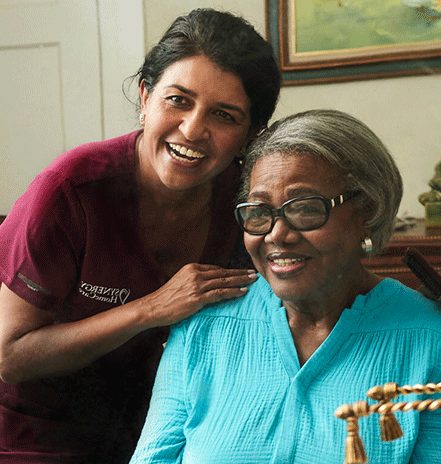
A memory loss diagnosis changes daily life, but it does not eliminate the need for joy, purpose, and connection. In fact, structured and meaningful activities become even more important for seniors living with Alzheimer’s disease or other forms of dementia.
For families in Santa Monica, in-home memory care provides the opportunity to create a safe and enriching environment where seniors can continue engaging with the world around them. The familiar surroundings of home often reduce confusion and anxiety, making activities more successful and less overwhelming than in unfamiliar settings.
At SYNERGY HomeCare of Santa Monica, we design activity plans that support cognitive function, emotional well being, and physical safety. Thoughtful engagement is not simply about passing time. It is about preserving dignity and enhancing quality of life.
Why Activities Matter in Memory Care
Structured activities provide stability and rhythm to the day. For individuals living with memory challenges, unpredictability can increase anxiety and agitation. A consistent routine that includes purposeful activities can create a sense of security.
Engagement helps:
- Stimulate areas of the brain that remain active
- Reduce restlessness and confusion
- Improve sleep patterns
- Encourage social interaction
- Maintain physical coordination
- Support emotional balance
In Santa Monica, where many seniors have led active and independent lifestyles, continuing to participate in meaningful daily activities helps preserve identity and self worth.
The key is adapting activities to match current abilities rather than focusing on what has been lost.
Music and Memory Stimulation
Music is one of the most powerful tools in memory care. Even in moderate to advanced stages of dementia, individuals often respond to familiar songs and rhythms.
Listening to music from earlier decades can trigger emotional memories and create moments of recognition. Singing along to favorite songs may encourage speech in individuals who otherwise speak very little.
At home in Santa Monica, caregivers can create personalized playlists that reflect a senior’s life history. Gentle background music during meals or relaxation periods can also create a calming atmosphere.
Music can be particularly helpful during times of increased confusion, such as late afternoon or early evening, when some individuals experience heightened restlessness.
Light Physical Activity and Movement
Physical movement plays an important role in maintaining circulation, muscle tone, and overall mood. While strenuous exercise may not be appropriate, gentle movement can significantly improve daily well being.
Depending on mobility levels, activities may include:
- Supervised neighborhood walks during cooler coastal hours
- Simple stretching exercises
- Chair based movement routines
- Guided breathing exercises
- Light gardening in patio containers
Santa Monica’s mild climate offers opportunities for safe outdoor activity throughout much of the year. Exposure to natural light and fresh air can improve sleep and reduce agitation.
All physical activities should prioritize safety and be tailored to the individual’s balance and endurance.
Creative and Artistic Expression
Creative activities provide a meaningful outlet for expression, especially when verbal communication becomes more challenging.
Artistic engagement might include:
- Painting with large brushes
- Coloring with bold outlines
- Simple collage projects
- Clay shaping
- Flower arranging
The process is more important than the result. Art activities encourage sensory stimulation and fine motor coordination while fostering a sense of accomplishment.
For many seniors who once enjoyed creative hobbies, reconnecting with these interests can spark positive emotions.
Reminiscence and Story Sharing
Long term memories often remain accessible even as short term memory declines. Revisiting familiar stories and experiences can create comfort and connection.
Caregivers can support reminiscence by:
- Reviewing photo albums together
- Creating personalized memory books
- Watching classic films
- Listening to favorite radio programs
- Discussing significant life events
In Santa Monica, seniors may have vivid memories of decades spent near the beach, raising families, or participating in community activities. Revisiting these stories strengthens emotional bonds and reinforces identity.
Reminiscence activities also encourage conversation and social engagement.
Sensory Based Activities for Comfort
As dementia progresses, sensory experiences often become more meaningful than complex tasks. Gentle tactile and sensory activities can promote calmness and reduce anxiety.
Examples include:
- Folding soft fabrics
- Brushing textured materials
- Using scented lotions
- Listening to nature sounds
- Handling smooth stones or familiar objects
Baking simple recipes can also engage multiple senses, including smell and touch, creating comforting experiences.
These activities do not require complex thinking but still provide purposeful engagement.
Cognitive Games Adapted for Ability
Cognitive stimulation remains important, but activities should be simplified to prevent frustration.
Appropriate options may include:
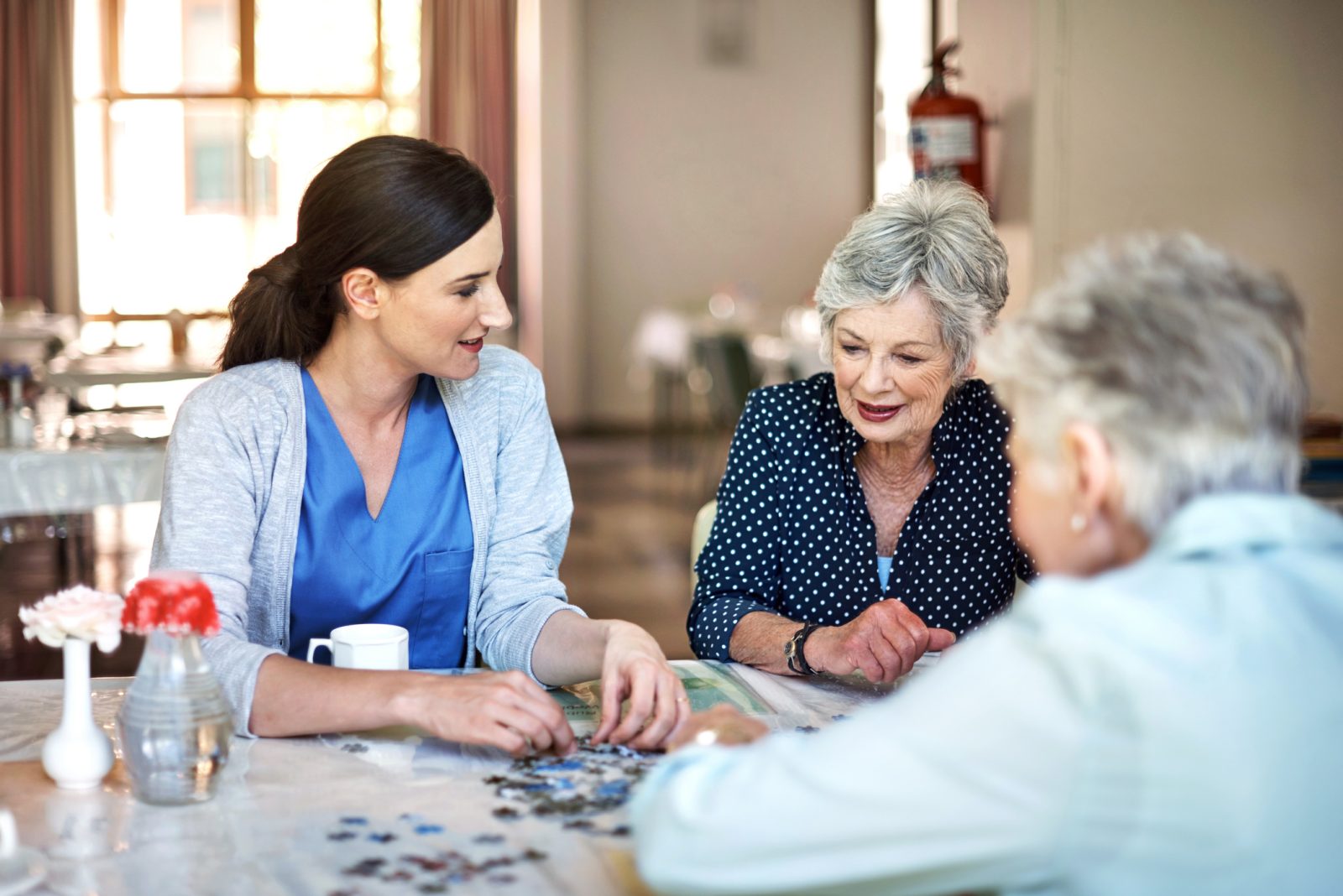
- Large piece puzzles
- Matching games
- Simple word association exercises
- Sorting activities by color or shape
- Reading short passages aloud
Caregivers observe responses carefully and adjust difficulty levels to maintain enjoyment. The goal is gentle stimulation, not testing memory.
Encouragement and positive reinforcement are essential.
Daily Living Activities With Purpose
Participating in everyday household tasks can foster a sense of contribution and normalcy.
Even simple responsibilities such as:
- Setting the table
- Watering plants
- Folding laundry
- Organizing drawers
- Wiping surfaces
These familiar tasks often feel natural and comforting, especially when performed in the familiar home environment of Santa Monica residences.
Maintaining Social Connection
Isolation can accelerate cognitive decline. Maintaining social connection supports emotional stability and reduces loneliness.
Caregivers can help facilitate:
- Video calls with family members
- Visits from close friends
- Participation in faith based services
- Short outings to quiet coastal parks
- Small family gatherings at home
Supervised social engagement helps seniors remain connected without feeling overwhelmed.
Adapting Activities as Needs Change
Memory conditions evolve over time. Activities that work well today may need adjustment later.
Professional caregivers monitor:
- Energy levels
- Mood fluctuations
- Physical abilities
- Attention span
- Signs of frustration
Flexibility ensures that activities remain supportive rather than stressful.
A personalized approach is always more effective than a one size fits all routine.
Why Santa Monica Families Choose SYNERGY HomeCare
At SYNERGY HomeCare of Santa Monica, we understand that meaningful engagement is a core part of quality memory care. Our caregivers are trained to incorporate purposeful activities into daily routines while maintaining safety and respect.
Families trust us because we:
- Develop individualized care plans
- Adapt activities to cognitive stages
- Encourage safe physical engagement
- Provide flexible scheduling
- Maintain consistent communication
Whether your loved one lives near Ocean Avenue, Montana Avenue, or elsewhere in Santa Monica, we are committed to delivering compassionate in-home memory support.
Supporting Purpose and Joy at Home
Living with memory loss brings challenges, but it does not remove the need for laughter, creativity, and connection. With structured activities and professional guidance, seniors can continue experiencing meaningful moments each day.
Call SYNERGY HomeCare of Santa Monica at (424) 289-6766 to schedule your complimentary care consultation. We’ll answer your questions, discuss your needs, and help you create a personalized care plan that supports safety, dignity, and peace of mind.
Frequently Asked Questions
What activities are best for someone with moderate dementia?
Activities that are familiar, simple, and sensory based are often most effective. The key is adapting tasks to current ability levels.
How often should structured activities occur?
A balanced daily routine with gentle engagement throughout the day works best, with flexibility based on energy and mood.
Can caregivers provide daily activity planning?
Yes. Our care team can design structured routines that include cognitive stimulation, physical movement, and emotional engagement for caregivers to execute.
What areas do you serve?
We proudly serve Santa Monica and surrounding West Los Angeles communities.
___________

Call us to find the home care solution that’s right for you.
(424) 289-6766