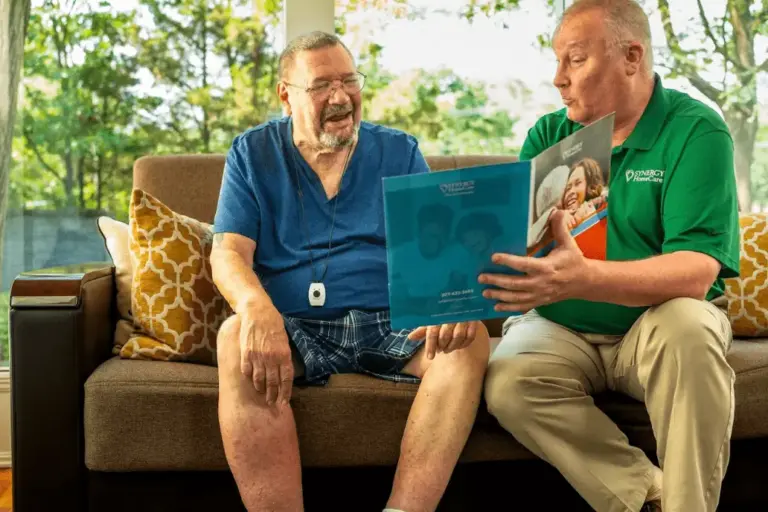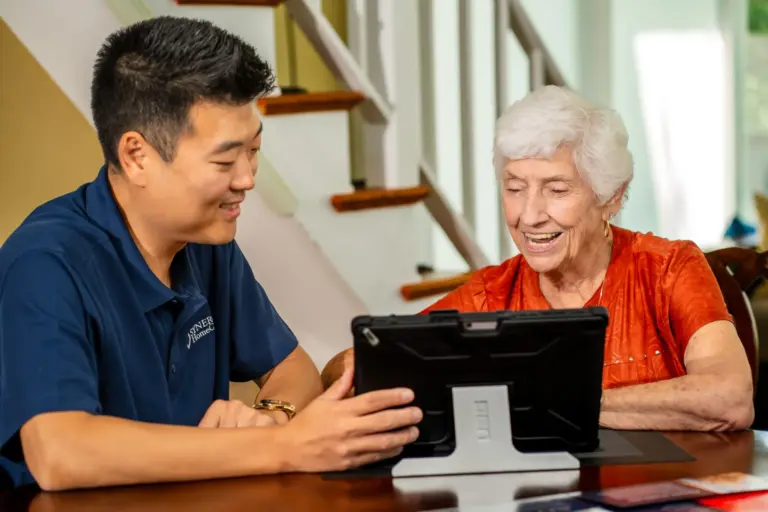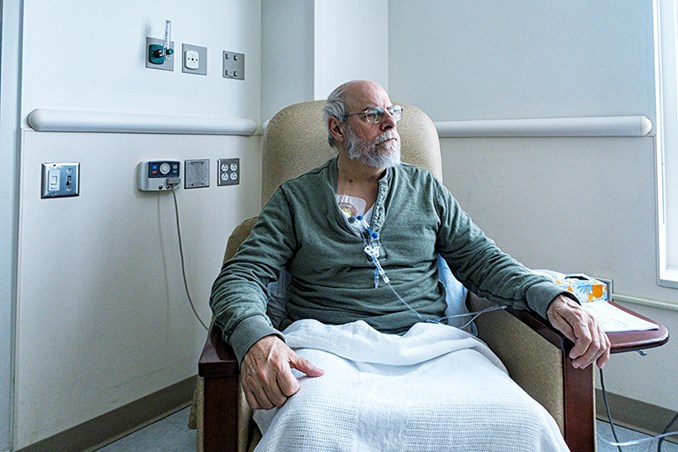
Families naturally look forward to discharge day. After several days in a hospital or rehabilitation setting, getting a parent back home feels like progress. Then everyone walks through the front door and realizes how many ordinary tasks suddenly require help.
Who is making dinner? Can Mom safely get to the bathroom? Who will pick up groceries? What happens when the adult child who stayed the first night has to return to work? For families in Oak Park, home care after a hospital stay can fill some of those practical gaps. SYNERGY HomeCare in Chatsworth provides non-medical support while the client and family adjust to being home again.
Caregivers do not replace nurses, doctors, or therapists. They help with the daily routines between appointments: meals, mobility, personal care, reminders, transportation, light housekeeping, and companionship.
The First Week Can Reveal Unexpected Needs
Hospital discharge instructions often focus appropriately on medical follow-up. At home, however, families also have to manage the routines between appointments.
A person may be medically cleared to go home but still be tired, unsteady, or uncomfortable doing things that were easy before the hospitalization.
- Getting dressed may take much longer
- Standing long enough to prepare a meal may be difficult
- Stairs or long hallways may feel intimidating
- Laundry and housekeeping may fall behind
- A spouse may not be physically able to provide hands-on help
- Transportation to follow-up appointments may need to be arranged
How Non-Medical Home Care Can Help
A caregiver can help prepare meals, assist with bathing and dressing, provide mobility support, handle light housekeeping and laundry, run errands, offer transportation, and provide companionship during the recovery period.
Caregivers can also provide reminders based on the family’s established plan, but they do not change medications, provide injections, perform wound care, or replace skilled nursing services.
Plan for the Actual Home Environment
Recovery looks different in a real home than it does in a hospital room. Think about the route from the bed to the bathroom. Is there clutter? Does the client normally sleep upstairs? Is the kitchen easy to use with limited mobility? Is someone available during the hours when the client is usually most tired?
Walking through an ordinary day can help a family identify where caregiver support would be most useful.
Home Care After Discharge May Be Right If
- Your loved one is weaker than before the hospital stay
- Bathing, dressing, or walking safely is difficult
- Family members cannot be present during the day
- Meals, laundry, or errands are not manageable yet
- Transportation is needed for follow-up appointments
- A spouse needs relief from the physical demands of caregiving
Short-Term Care Can Still Be Valuable
Not everyone who uses home care after discharge needs it permanently. Some families arrange additional help for the first few weeks and reduce the schedule as strength and independence return.
Others discover that the hospitalization exposed challenges that were already developing before the hospital stay. In that case, the care plan can evolve rather than ending abruptly.
Talk With SYNERGY HomeCare in Chatsworth
If a loved one in Oak Park is preparing to return home from a hospital or rehabilitation facility, SYNERGY HomeCare in Chatsworth can help your family plan non-medical support around the daily routines that may be difficult during recovery.
Frequently Asked Questions
How soon can home care begin after discharge?
Families can contact a home care agency before discharge so the care needs and desired schedule can be discussed in advance.
Can a caregiver help with bathing after a hospital stay?
Yes. Non-medical caregivers can provide personal care assistance such as bathing, dressing, grooming, and toileting within the care plan.
Do caregivers provide medical treatment?
No. Skilled nursing, wound care, injections, and other clinical services must be provided by appropriately licensed healthcare professionals.
Can home care be temporary?
Yes. Some families use home care during a short recovery period and adjust the schedule as the client becomes more independent.