For many families, looking for memory care in West Hollywood starts with a simple question: can a loved one continue living at home, and what support would make that possible?
For some people, a residential memory care community is the right choice. For others, one-on-one support at home can provide the help they need while allowing them to stay in familiar surroundings and keep the routines they know.
What Does Memory Care Mean?
Memory care is support for people living with Alzheimer’s disease or another form of dementia. It can be provided in a residential setting or in the person’s own home.
Residential memory care means living in a dedicated memory care community or another setting that provides dementia care.
In-home memory care brings a caregiver into the person’s home, whether that’s for a few hours a week, scheduled visits or care throughout the day and night.
In every situation, the person’s needs, preferences, home environment and existing support all play a part in deciding what works.
What Can In-Home Memory Care Include?
In-home memory care is nonmedical support focused on everyday life. Depending on the person’s needs, a caregiver may help with:
- Personal care: bathing, dressing, grooming, toileting and mobility
- Meals and medication reminders: preparing meals, encouraging hydration and helping keep medication routines on track
- Daily routines: keeping familiar mealtimes, activities and rest periods consistent
- Safety and supervision: providing support around activities such as cooking, going outside or periods of confusion
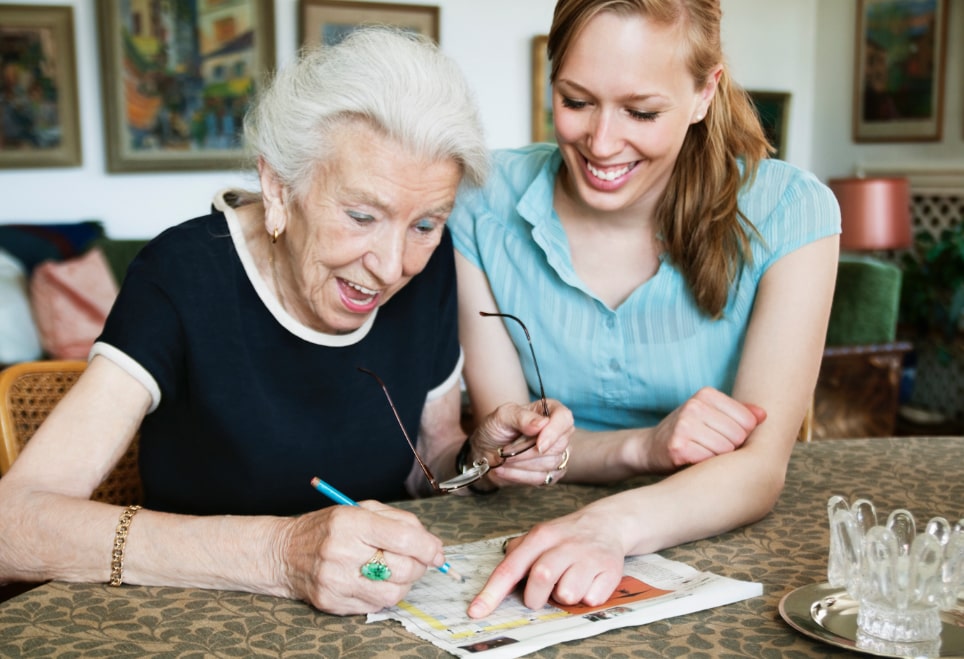
- Companionship and engagement: conversation, music, photos, hobbies and other familiar activities
- Appointments and errands: accompanying your loved one to appointments and familiar outings
- Family support: providing planned time away for the person who usually provides care
The aim is to support the person while preserving as much independence and choice as possible.
Is Home Still the Right Place?
For many people living with dementia, familiar surroundings can be reassuring. Staying at home may also allow family members to remain closely involved while sharing some of the practical responsibilities of care.
Families often start considering additional support after noticing changes such as missed meals or medication, difficulty with personal care, getting disoriented in familiar places or a family caregiver struggling to get enough rest.
These changes don’t automatically mean someone needs to leave home. They can be a reason to have a conversation about what support would make things easier and safer.
The National Institute on Aging recommends planning for long-term care as early as possible after an Alzheimer’s or dementia diagnosis.
In-home memory care doesn’t replace medical or clinical services. If your loved one needs skilled care, their doctor or healthcare team can advise on what additional support may be appropriate.
Adapting a West Hollywood Home for dementia
A few thoughtful changes can make a familiar home easier and safer to navigate.
The National Institute on Aging recommends looking around the home for potential hazards, including poor lighting, loose rugs and other fall risks, and reviewing safety as needs change.
In a West Hollywood apartment or condominium, it can also be useful to think about how your loved one uses shared areas such as entrances, elevators and parking areas. Keeping these routines familiar and making sure caregivers understand the building can make everyday outings feel more manageable.
A caregiver can also help maintain familiar activities outside the home, whether that’s a regular walk, a favorite cafe or another place your loved one enjoys visiting.
Questions to Ask an In-Home Memory Care Provider
Before choosing a provider, it can help to ask:
- How are caregivers selected and matched?
- What dementia-specific training do caregivers receive?
- What happens if a caregiver is sick or unavailable?
- How will the family receive updates?
- Can the level of care change as needs change?
- Can we meet the caregiver before care begins?
It’s also worth asking how the agency handles continuity. For someone living with dementia, having familiar caregivers who know their routines and preferences can make a real difference.
In-Home Memory Care from SYNERGY HomeCare of Beverly Hills
SYNERGY HomeCare of Beverly Hills provides one-on-one, nonmedical memory care in West Hollywood, Beverly Hills and nearby communities. Care can start with a few hours a week and increase to live-in or 24-hour support as needs change.
Care begins with a free in-home consultation. The team learns about your loved one’s routines, preferences, history and the parts of the day where they need more support, then builds a care plan around those needs.
Caregivers are W-2 employees who are vetted and background checked, with matching based on the person’s needs, schedule, personality and preferences. The local team also carries out monthly quality assurance reviews.
Since opening in October 2023, the local team reports zero missed shifts and caregiver turnover of approximately 16%.
For families, that consistency can mean fewer new faces and less time spent explaining the same routines and preferences.
Frequently Asked Questions
Can Someone Living With Dementia Have 24-Hour Care at Home?
Yes. When someone needs continuous support, 24-hour care in West Hollywood can provide coverage through scheduled caregiver shifts throughout the day and night.
Does Medicare or Insurance Pay for In-Home Memory Care?
Medicare generally does not pay for long-term care, which includes most ongoing nonmedical help with everyday activities at home.
Some long-term care insurance policies may help cover eligible in-home care. Coverage varies, so check the terms of your policy and speak with your insurer about what is covered.
How Soon Can Care Start?
Care can often be arranged within 24 to 48 hours of a referral, depending on the care required, the schedule and caregiver availability.
What If My Loved One Doesn’t Want a Caregiver?
This can be a common concern. Someone who has always managed independently may understandably feel uncomfortable about having a new person in their home.
Start by talking about what kind of help would actually be useful to them and involve them in the decision wherever possible. A shorter first visit, a familiar activity or having a say in caregiver selection can make the introduction feel more comfortable.
What Is Sundowning, and Can In-Home Memory Care Help?
Sundowning is a term used to describe increased confusion, restlessness or anxiety that can happen later in the day or in the evening for someone living with dementia. In-home memory care can provide familiar routines, companionship and supervision during this time, helping your loved one feel more settled at home.
Talk Through Memory Care Options in West Hollywood
If you’re considering memory care for yourself or someone close to you, you don’t need to have everything figured out before you ask for help.
A free in-home consultation gives you the opportunity to talk through your loved one’s routines, current needs and what support at home could look like, with no obligation to begin care.
Call SYNERGY HomeCare of Beverly Hills at (424) 372-0201 or request a free in-home consultation. You can also read more about our in-home care in West Hollywood.

Call us to find the home care solution that’s right for you.
 (424) 372-0201