Cancer care at home often involves more than one type of support. An oncology team manages cancer treatment, while home health, palliative care or hospice may provide clinical care when appropriate. Nonmedical home care can then help with the everyday things that still need to happen between appointments and clinical visits.
For families in Beverly Hills, the right combination will depend on where their loved one is in treatment, how they’re feeling from day to day, what support is already available and what they want daily life at home to look like.
Understanding what each type of care provides can make it easier to work out what support would be useful now and what might be needed later.
Start With What Matters to Your Loved One
Before comparing care options, start with the person receiving care.
They may want to keep having breakfast on the patio, join the family for dinner or stay at home for as much of their treatment as possible. Those priorities can help shape the care plan.
It can also be useful to ask the oncology team what side effects may affect everyday activities, whether there are things your loved one should avoid and whether palliative care could be helpful alongside treatment.
The person receiving care should be involved in these conversations wherever possible. Even when family members are arranging the practical support, their preferences should remain at the center of the plan.
Medical Cancer Care Options: Home Health, Palliative Care and Hospice
Home health, palliative care and hospice all involve licensed healthcare professionals, but they have different roles.
Home Health Care
Home health provides skilled medical care at home, which may include nursing, physical therapy or occupational therapy.
For eligible people, Medicare covers certain home health services when specific requirements are met, including being homebound and needing skilled care on a part-time or intermittent basis from a Medicare-certified agency.
Medicare doesn’t cover 24-hour care at home. It also doesn’t cover personal or custodial care, such as bathing and dressing, when that’s the only care someone needs.
Palliative Care
Palliative care focuses on quality of life. It can help manage symptoms and side effects associated with cancer and its treatment, while also providing support for patients and families.
According to the National Cancer Institute, palliative care can begin at diagnosis and can be provided alongside cancer treatment.
It may be provided in different settings, including at home, depending on the person’s needs and the services available.
Hospice Care
Hospice is focused on comfort and quality of life when someone is approaching the end of life and treatment is no longer intended to cure the terminal illness.
Under Medicare’s hospice benefit, a hospice doctor and the person’s regular doctor, if they have one, must certify that the person has a life expectancy of six months or less if the illness follows its usual course. The person must also choose hospice care instead of Medicare-covered treatment intended to cure the terminal illness.
Hospice can continue beyond six months when the person remains eligible and is recertified.
Hospice provides clinical, emotional and spiritual support, but having hospice at home doesn’t usually mean that someone is there providing continuous hands-on care. Family members and other caregivers often provide much of the day-to-day support.
The National Institute on Aging has further information about how hospice and palliative care work.
Where Nonmedical Home Care Fits In
Clinical care can address treatment, symptoms and skilled medical needs, but there are still plenty of practical things to manage at home.
A nonmedical caregiver can help with:
- Transportation and accompaniment: getting to infusions, scans and other appointments, and staying with your loved one while they wait where appropriate
- Meals: planning and preparing meals around your loved one’s preferences and any dietary guidance from their healthcare team
- Personal care: bathing, dressing and grooming when energy levels are low
- Medication reminders: helping your loved one remember medications according to the plan set by their healthcare team
- Mobility: providing practical assistance around the home when fatigue or weakness makes everyday movement more difficult
- Household tasks: helping with laundry, dishes and light housekeeping
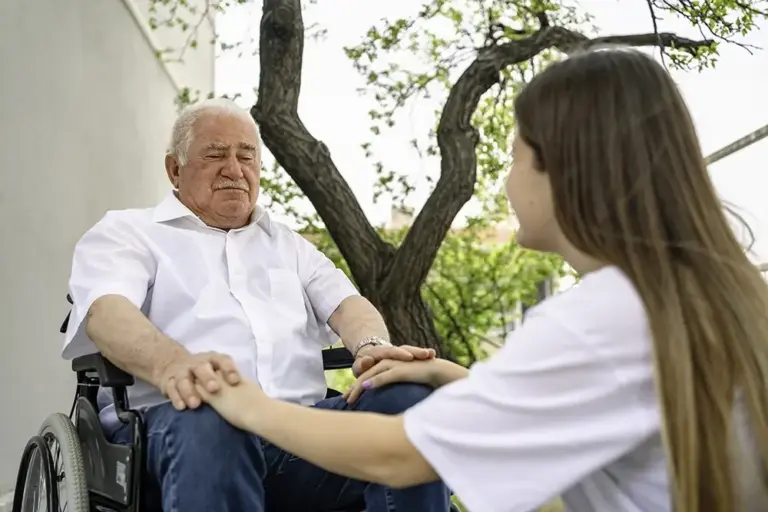
- Companionship: providing conversation and company during what can be a long and tiring period
- Family respite: giving a spouse, partner or family caregiver time to step away and recharge
Nonmedical caregivers don’t administer chemotherapy, manage IV lines or ports, change surgical dressings or diagnose and treat symptoms. Those responsibilities remain with the appropriate clinical team.
A caregiver can, however, notice changes in your loved one’s usual routine and share them with the appropriate family member or healthcare professional according to the care plan.
How Support Can Change During Cancer Treatment
The amount of help someone needs can change throughout treatment. A person may feel relatively well one week and need considerably more support the next.
During Active Treatment
Some families begin with help on treatment days and during the days that follow. That might mean transportation to appointments, help with meals and personal care or simply having someone at home while a family member is at work.
The schedule can then be adjusted as treatment plans, energy levels and daily needs change.
After Surgery or a Hospital Stay
Coming home after surgery or a hospital stay can bring a new set of practical challenges.
Hospital-to-home care can provide support with meals, personal care, mobility, transportation and appointments while someone settles back into their normal routine.
The medical team remains responsible for discharge instructions, treatment and clinical care.
Alongside Hospice Care
Nonmedical home care can also work alongside hospice.
A caregiver can provide personal care, meals, companionship and other everyday support between hospice visits. If your loved one needs someone present throughout the day or night, nonmedical care can also provide scheduled caregiver coverage, subject to availability.
Paying for Cancer Care at Home
Once you’ve established what support your loved one needs, it’s worth checking how each part of the care plan will be covered.
Medicare may cover eligible home health and hospice services, but ongoing nonmedical home care is generally arranged separately.
Long-term care insurance may cover eligible care at home, depending on the policy. Policies vary, so check the individual policy before arranging care to understand what’s covered and whether any waiting period or other requirements apply.
Veterans may also have access to palliative care and other support through the VA, depending on eligibility and clinical need. The VA provides information about palliative care for enrolled Veterans.
If you’re unsure what a particular service or benefit covers, ask the relevant insurer or healthcare provider before making arrangements.
Questions to Ask a Home Care Provider
When you’re comparing nonmedical home care providers, the service list is only part of the picture.
It can help to ask:
- Is the agency licensed as a Home Care Organization in California?
- Who employs the caregivers and how are they screened?
- What does the caregiver matching process consider?
- How does the agency handle illness, schedule changes or a caregiver who isn’t the right fit?
- How will the agency communicate with the family?
- How will care work alongside home health, hospice or the oncology team’s instructions?
- How quickly can the schedule be increased if your loved one’s needs change?
- Can the agency provide care around the clock if that’s needed?
The California Department of Social Services provides information about Home Care Organizations and Home Care Aides in California.
How SYNERGY HomeCare of Beverly Hills Supports Families
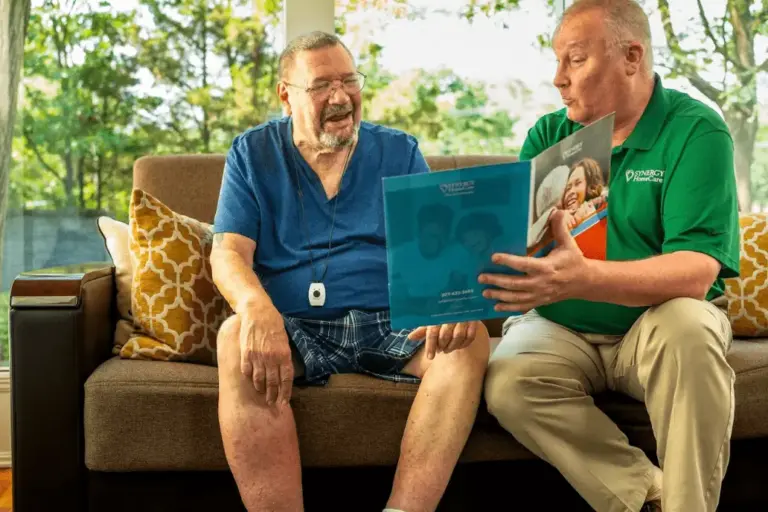
SYNERGY HomeCare of Beverly Hills provides nonmedical cancer care at home for families in Beverly Hills and nearby communities including Century City and West Hollywood.
Care can range from shorter visits to around-the-clock support, depending on your loved one’s needs, schedule and caregiver availability.
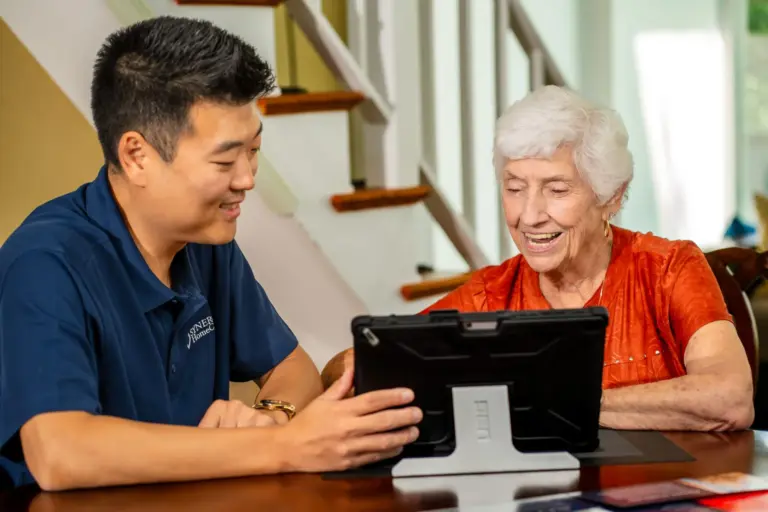
Our caregivers are W-2 employees who are vetted and background checked. We consider practical care needs, schedule and personality when matching caregivers, with the aim of creating a consistent relationship that feels comfortable in the home. Families can request an introduction to a caregiver in advance and ask for a different caregiver if the match isn’t right.
Consistency and Local Oversight
Since beginning care in October 2023, our team has had no missed scheduled shifts. Our caregiver attrition rate is currently 16%, and we carry out monthly field quality reviews to check that care continues to reflect each client’s needs.
Depending on the type of support required, schedule and caregiver availability, care can often be arranged within 24 to 48 hours of a referral.
Frequently Asked Questions
Can a Nonmedical Caregiver Work Alongside Hospice?
Yes. Hospice provides clinical, emotional and spiritual support, while a nonmedical caregiver can help with everyday needs such as personal care, meals, companionship and overnight presence. The two services can work alongside each other as part of a wider care plan.
Can a Caregiver Take My Father to Chemotherapy and Stay With Him?
Yes, when transportation or appointment accompaniment is included in the care plan. A caregiver can provide transportation where available or accompany your loved one to an appointment and stay with them while they wait.
Whether a caregiver can remain in the treatment area depends on the facility’s policies.
How Soon Can Cancer Care at Home Start in Beverly Hills?
Depending on the support required, schedule and caregiver availability, care can often be arranged within 24 to 48 hours of a referral.
If surgery or a new phase of treatment is coming up, arranging a consultation in advance can give your family more time to plan.
Talk Through the Options With a Local Team
Cancer treatment can change from one appointment or treatment cycle to the next, so the support your loved one needs at home may change too.
If you’d like to talk through what nonmedical care could look like for your family, call SYNERGY HomeCare of Beverly Hills at (424) 372-0201 or schedule a free in-home consultation.
We’ll listen to what your family needs, answer your questions and help you understand what support could fit your loved one’s routine. There’s no obligation to begin care.

Call us to find the home care solution that’s right for you.
 (424) 372-0201